How to Prepare for a FREC 3 Course (What Actually Helps Before Day 1)
Most people don’t fail FREC 3 because they’re not capable.
They struggle because they turn up cold.
That’s not a criticism - it’s just the reality. FREC 3 is often people’s first proper step into pre-hospital care. It’s a jump from basic first aid into something more structured, more clinical, and more hands-on.
If you’ve never seen things like a primary survey, airway adjuncts, or clinical terminology before, it can feel like a lot very quickly.
The good news is this:
You don’t need to know everything before you arrive.
But doing a bit of preparation makes a big difference to how confident you feel - and how much you get out of the course.
WHAT FREC 3 IS ACTUALLY LIKE
Let’s clear something up first.
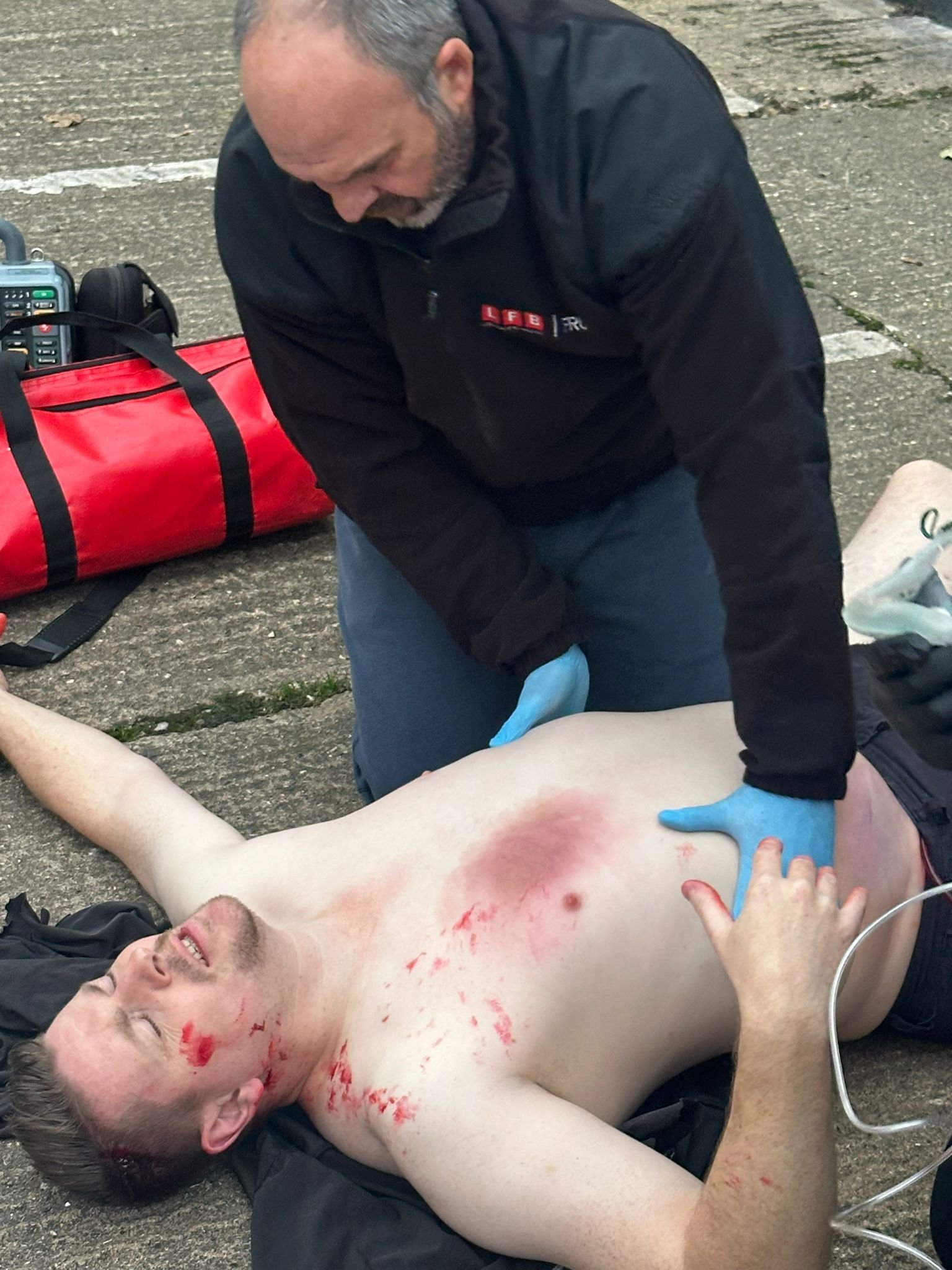
FREC 3 isn’t about sitting in a classroom memorising facts all day.
It’s practical.
You’ll be:
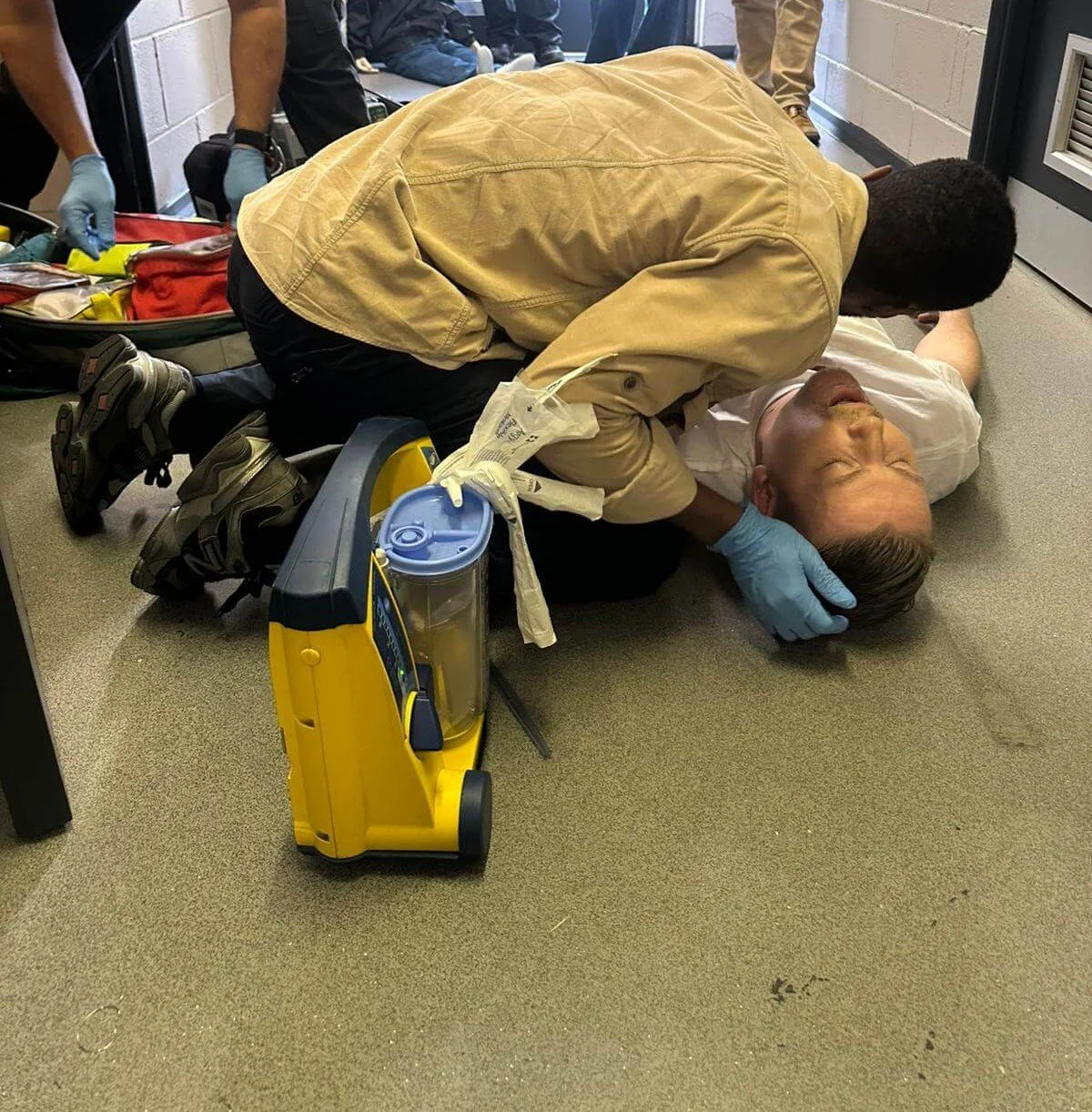
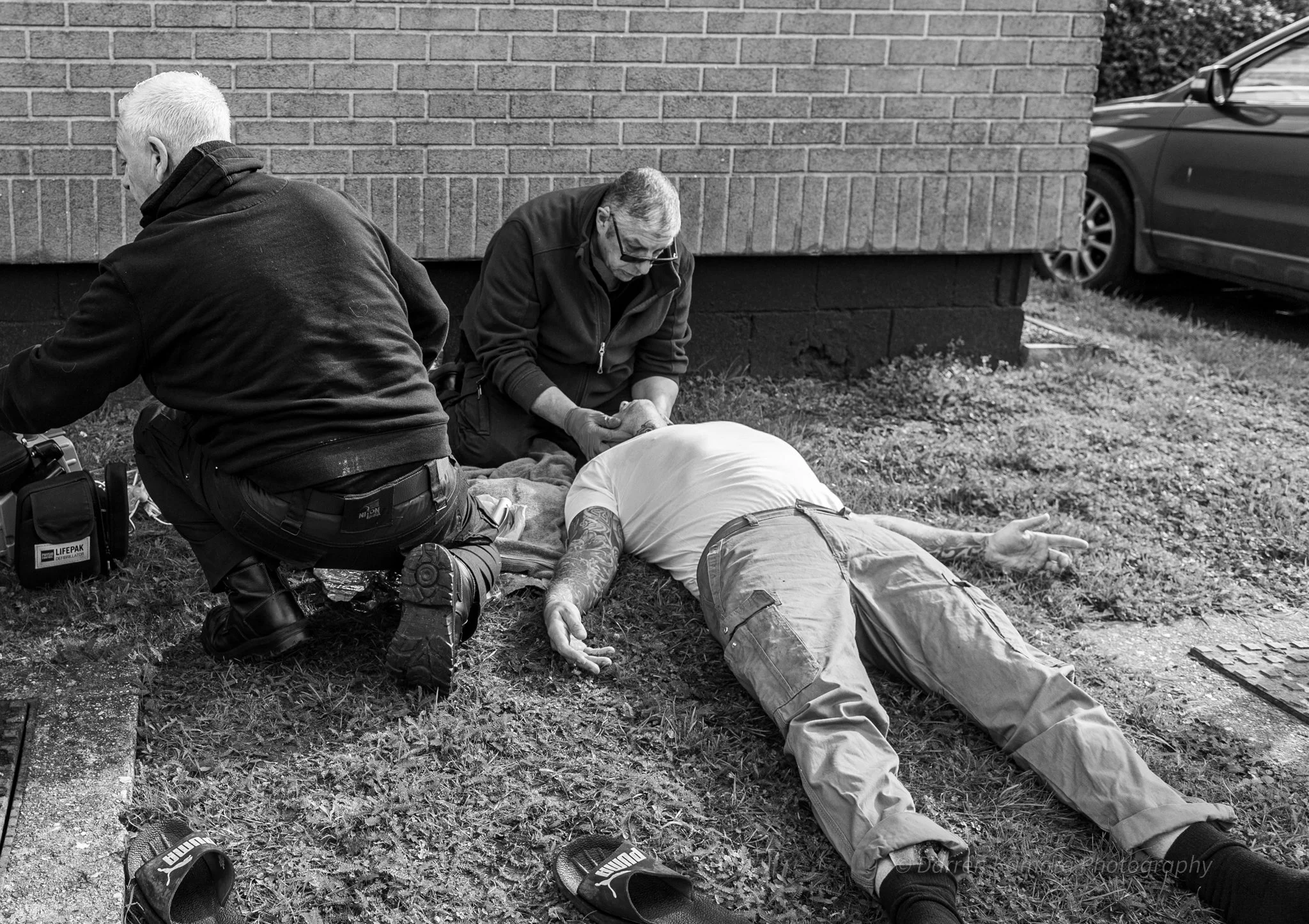
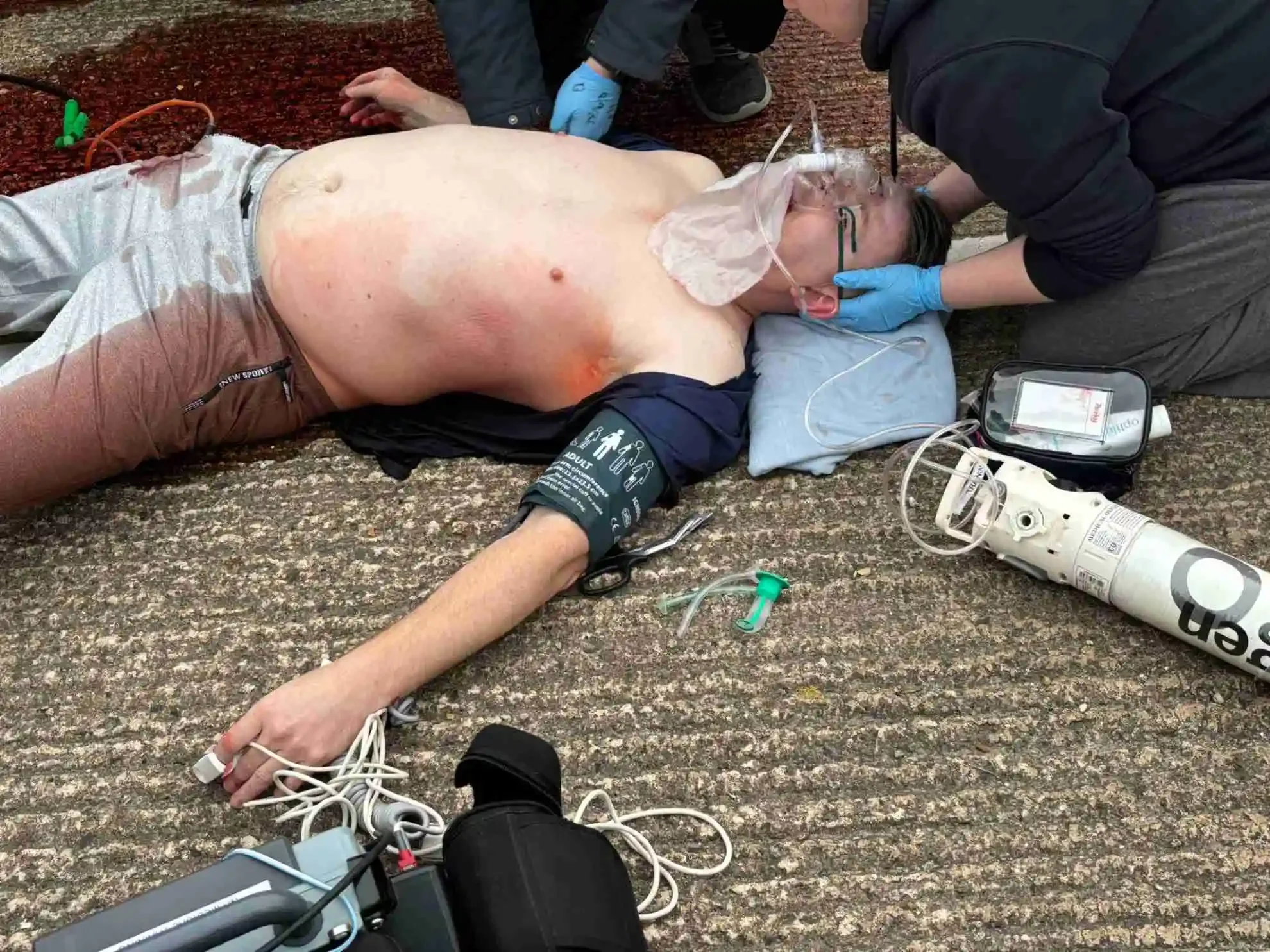
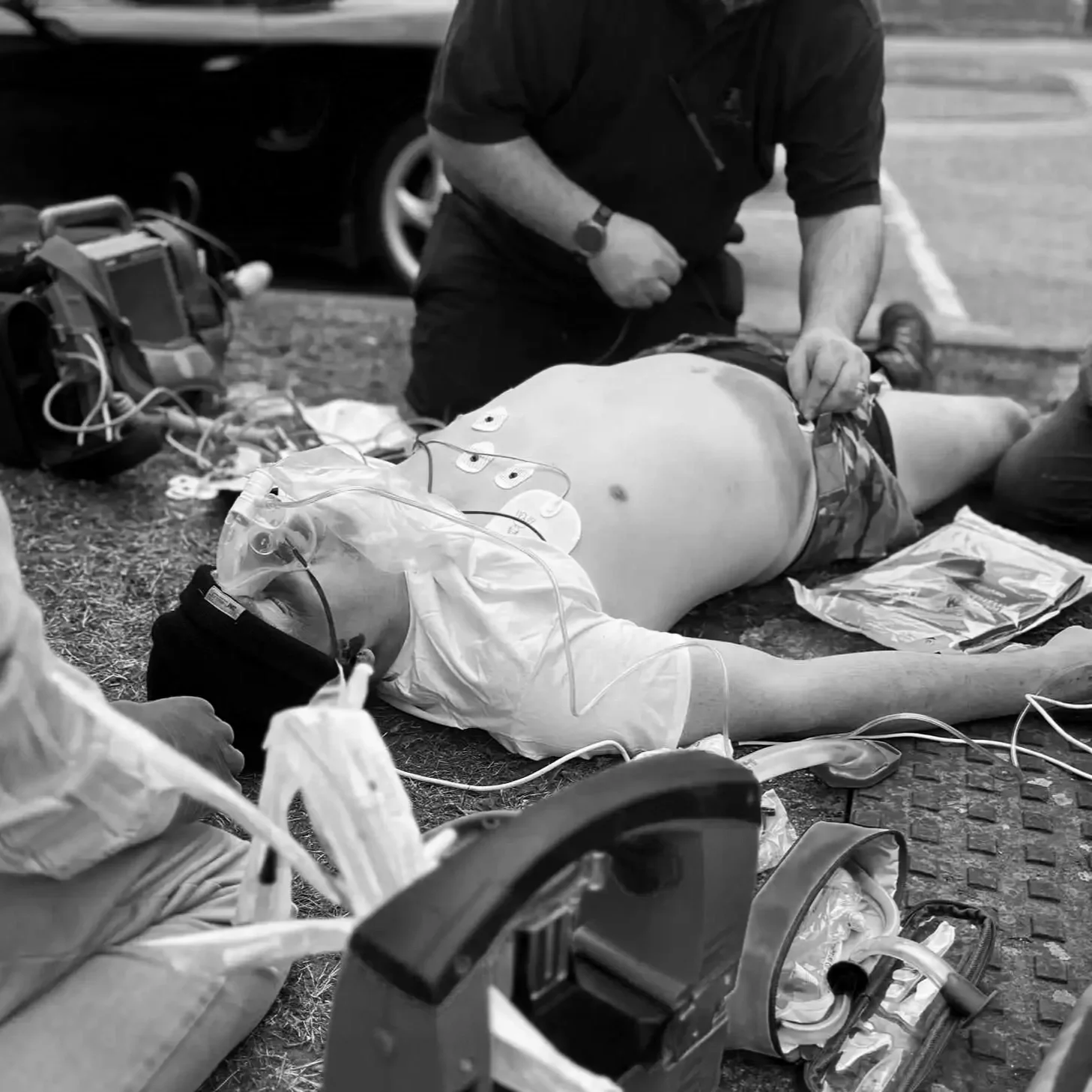
working through scenarios
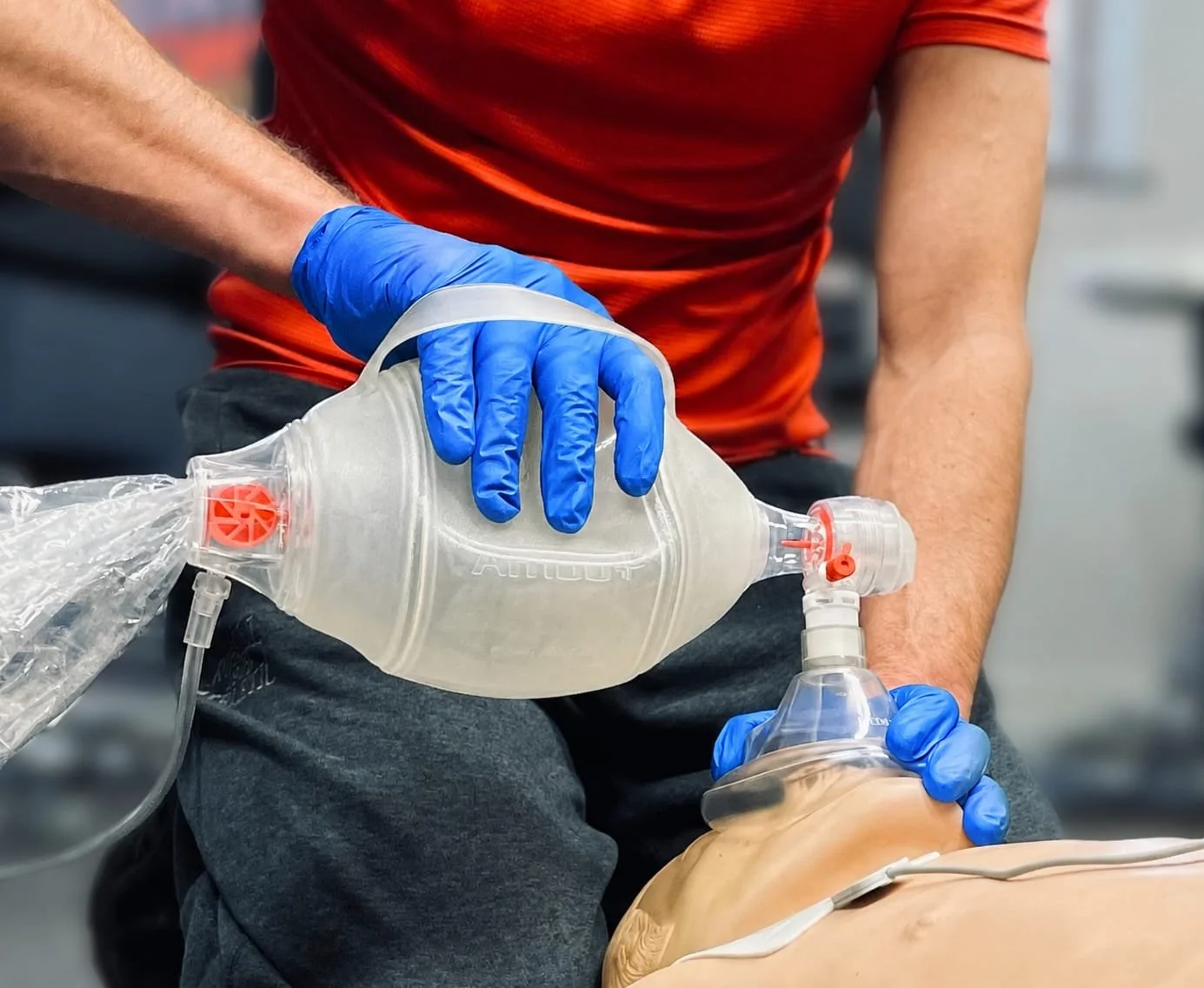
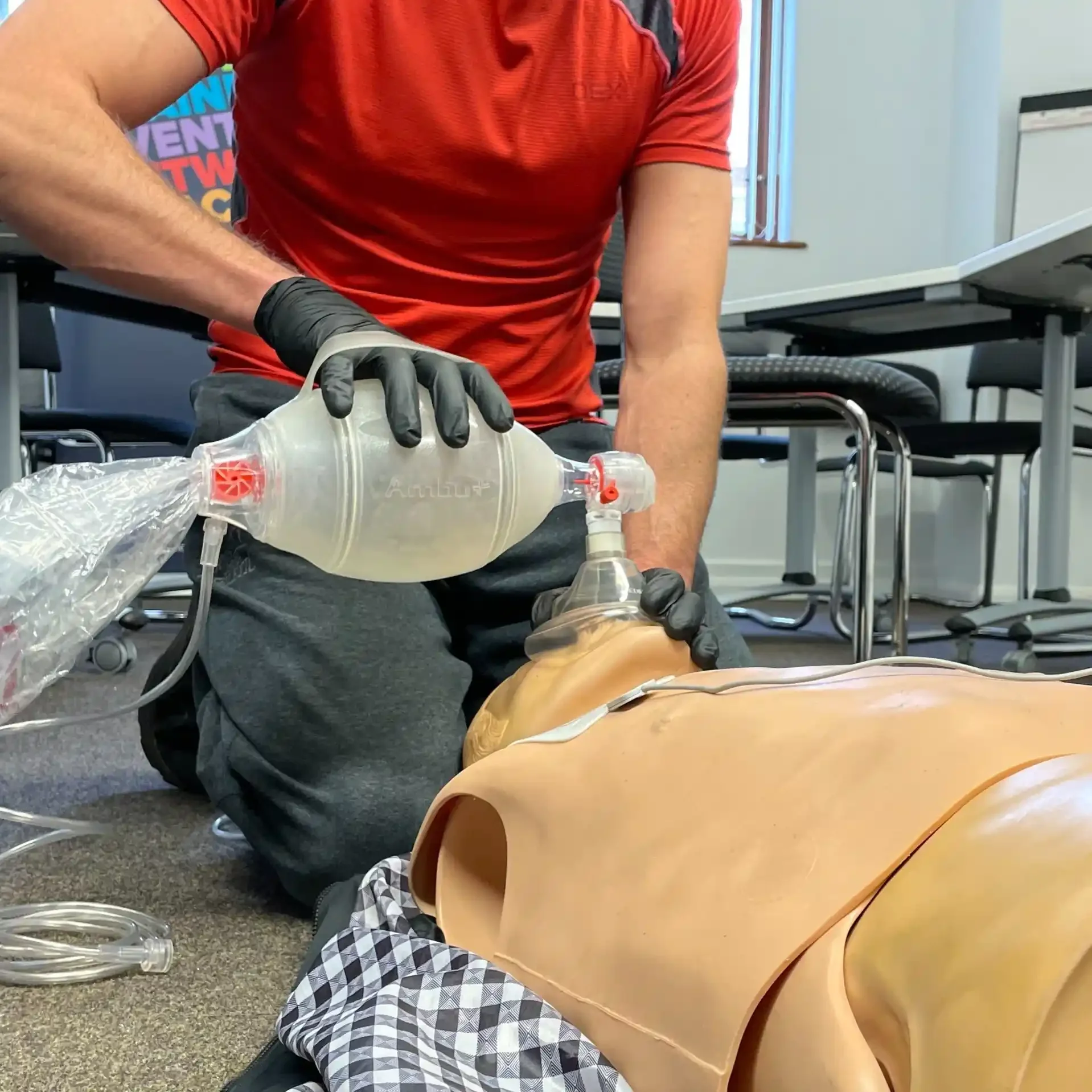
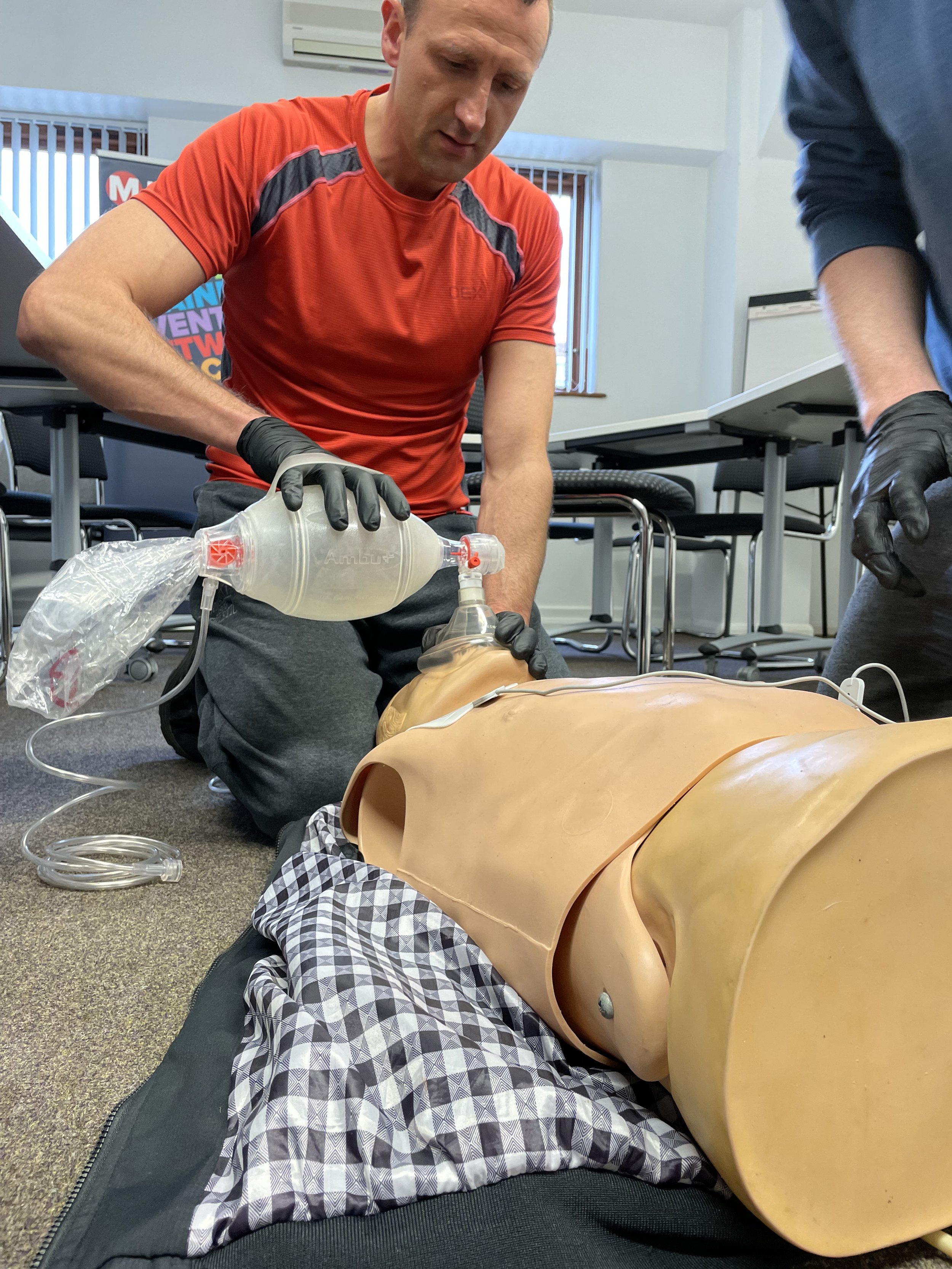
using kit
assessing patients
making decisions under pressure
You’ll also cover:
primary and secondary survey
catastrophic bleeding
airway management
basic life support
medical emergencies
trauma
observations
history taking
It’s a lot to take in over a short period of time.
That’s why people who arrive with even a basic understanding tend to settle in much quicker.
WHERE MOST LEARNERS STRUGGLE
This is the bit most providers won’t tell you.
Learners don’t usually struggle with intelligence.
They struggle with structure and overload.
By the end of the first couple of days, you’re expected to:
understand DR C ABCDE
recognise life-threatening problems
prioritise what to do first
use new terminology
work in front of others
and keep up with the pace
That’s where people start to feel overwhelmed.
Not because it’s impossible - but because everything is new at once.
WHAT ACTUALLY HELPS BEFORE YOU START
If you want to prepare for FREC 3 properly, focus on understanding the basics - not memorising everything.
Here’s what makes the biggest difference.
1. Understand the Primary Survey (DR C ABC)
This is the backbone of everything you’ll do.
If you can get your head around:
Danger
Response
Catastrophic bleeding
Airway
Breathing
Circulation
you’ll already be ahead.
You don’t need to be perfect - just familiar.
2. Learn What “Normal” Looks Like
You’ll be taking observations like:
pulse
breathing rate
oxygen saturations
temperature
If you have a rough idea of what’s normal and what’s not, things start to make more sense.
3. Get Comfortable with Basic Terminology
Words like:
hypoxia
tachycardia
pulmonary
perfusion
sound complicated at first, but they’re not once you break them down.
Understanding the language reduces that “I’m not sure” feeling.
4. Watch How Things Are Done
Even just seeing:
how a primary survey flows
how someone approaches a patient
how decisions are made
makes a big difference.
It’s much easier to learn when you’ve already seen it once.
5. Don’t Try to Learn Everything
This is where people go wrong.
They try to memorise:
full anatomy
drug names
every possible condition
You don’t need that at this stage.
Focus on understanding:
👉 what matters first
👉 what kills first
👉 what to look for
WHAT YOU DON’T NEED TO WORRY ABOUT
Let’s take some pressure off.
Before FREC 3, you do NOT need to:
be medically trained
know every condition
understand advanced anatomy
get everything right
The course is designed to teach and support you.
Preparation just helps you keep up and feel more confident.
HOW TO FEEL MORE CONFIDENT FROM DAY ONE
Confidence doesn’t come from knowing everything.
It comes from:
recognising what you’re seeing
understanding the structure
not feeling completely lost
Even a small amount of preparation can change your experience massively.
Instead of thinking:
“I’m not sure”
you’re thinking:
“I’ve seen this before - I just need to practise it”
That’s a completely different starting point.
Preparing for FREC 3 properly makes the course feel very different.
If you want to turn up feeling more confident, less overwhelmed, and ready to get stuck in, we’ve put together a full FREC 3 preparation online series.
It covers all the key foundations before your course starts, including:
primary survey
catastrophic bleeding
airway management
BLS
observations
history taking
oxygen therapy
All explained clearly, with practical context.
12 months access • Renews annually • Cancel anytime
FREC 3 is a solid, practical qualification.
It’s not designed to catch you out - but it does move quickly.
If you show up prepared, even just a little, you’ll get far more from it.
You’ll ask better questions.
You’ll understand what’s happening.
And you’ll build confidence much faster.
That’s the goal.