Is FREC 3 Hard? (What Most People Get Wrong About It)
This is one of the most common questions people ask before booking a FREC 3 course.
“Is it hard?”
The honest answer is:
Not in the way people think.
FREC 3 isn’t about being academically brilliant or memorising loads of complex theory. Most people who attend are more than capable of passing.
But that doesn’t mean it’s easy either.
Where people struggle is usually not intelligence - it’s pressure, pace, and unfamiliarity.
WHAT FREC 3 IS ACTUALLY TESTING
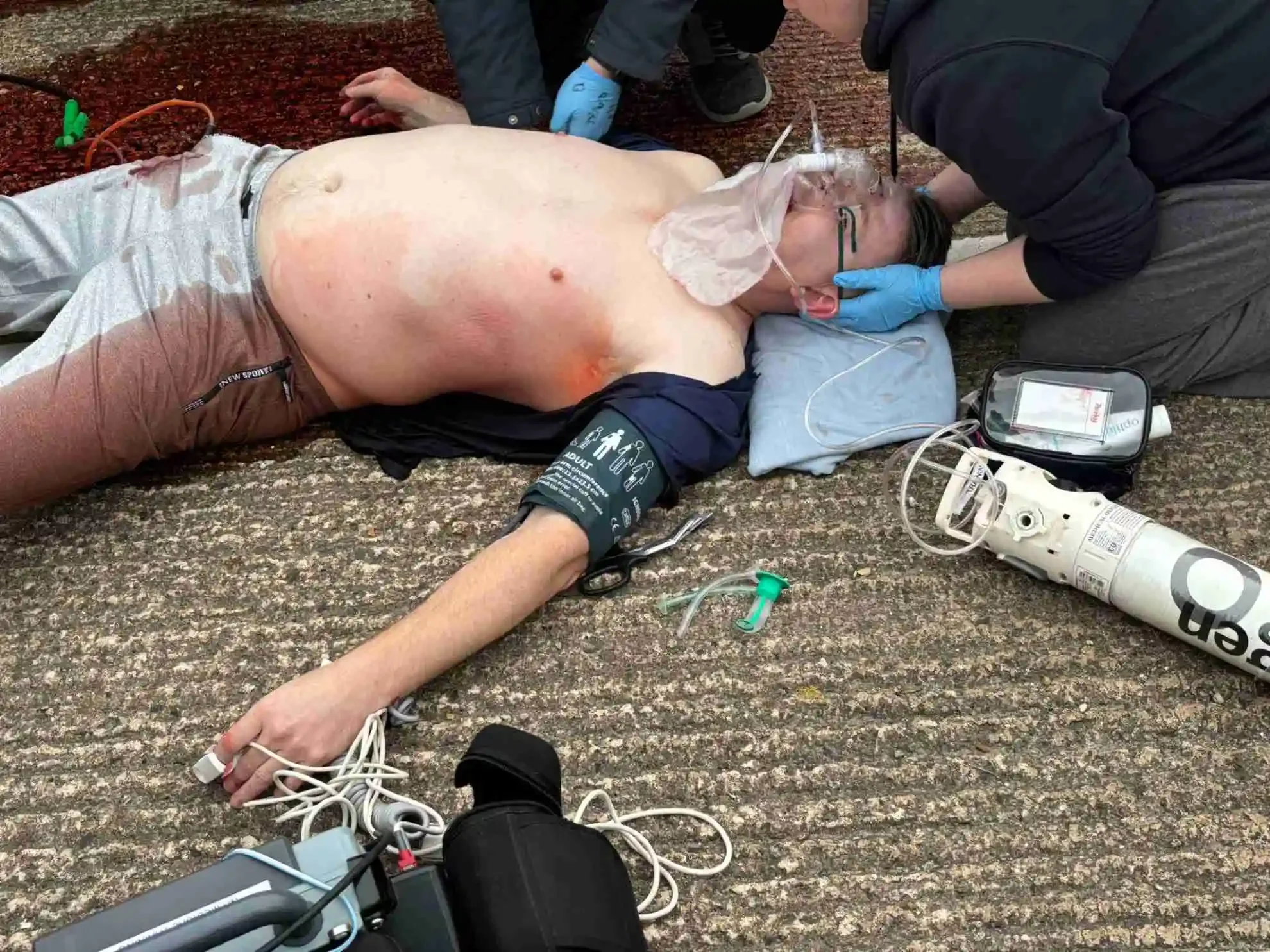
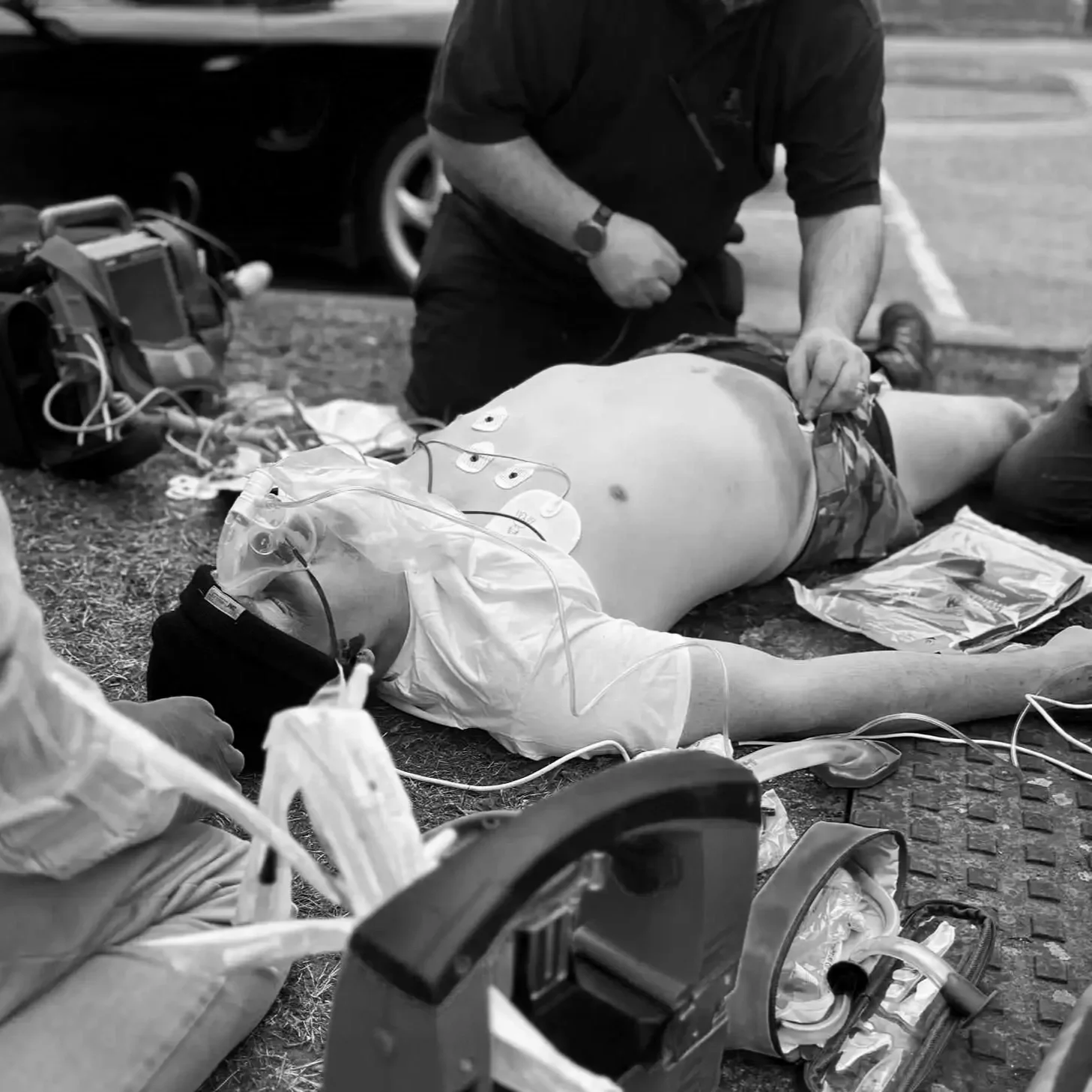
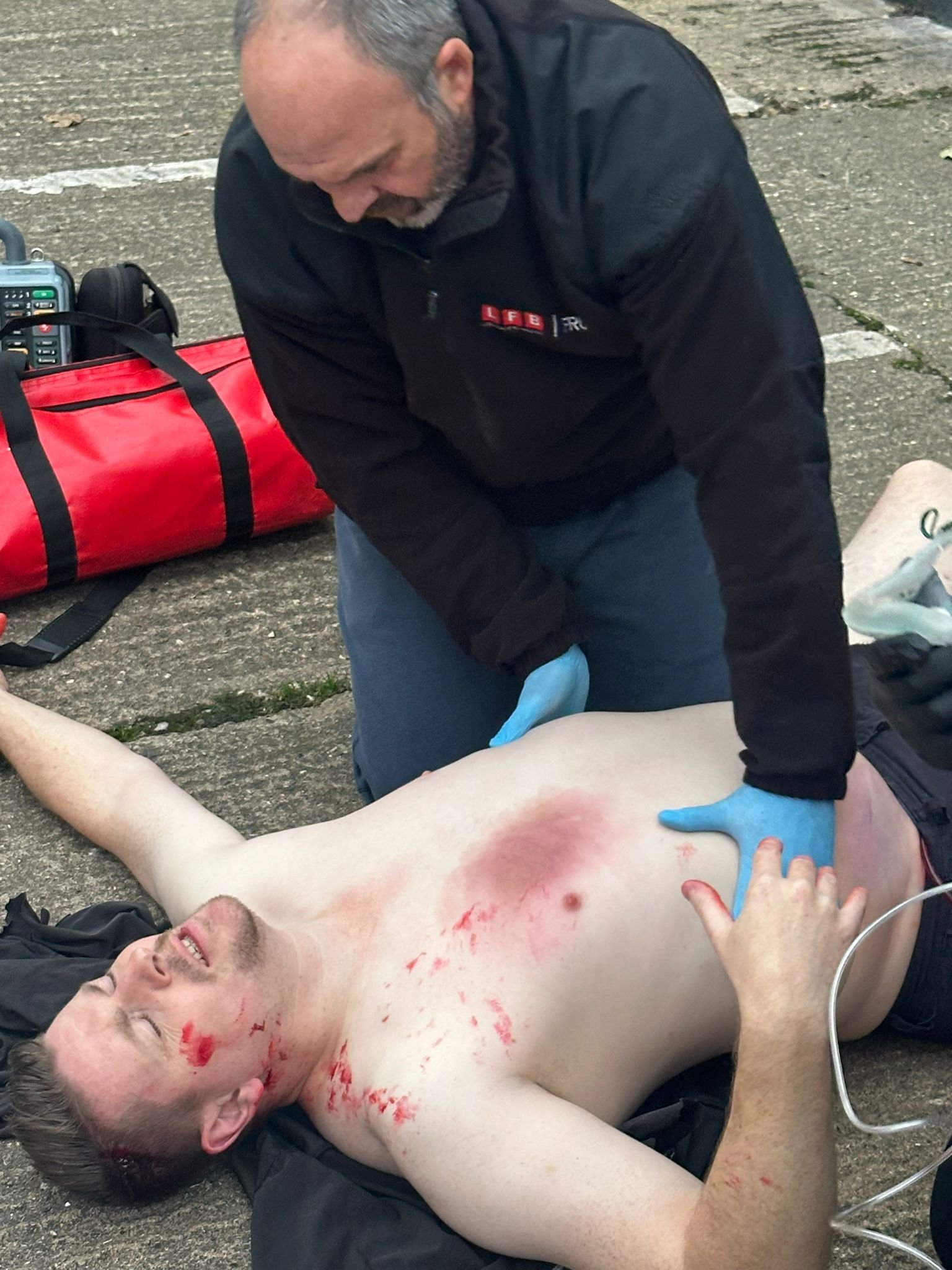
FREC 3 is designed to prepare you to deal with real-world emergencies.
That means it’s testing whether you can:
recognise when something is seriously wrong
prioritise what to do first
follow a structured approach
communicate clearly
and act under pressure
You’ll cover things like:
primary survey (DR C ABC)
catastrophic bleeding
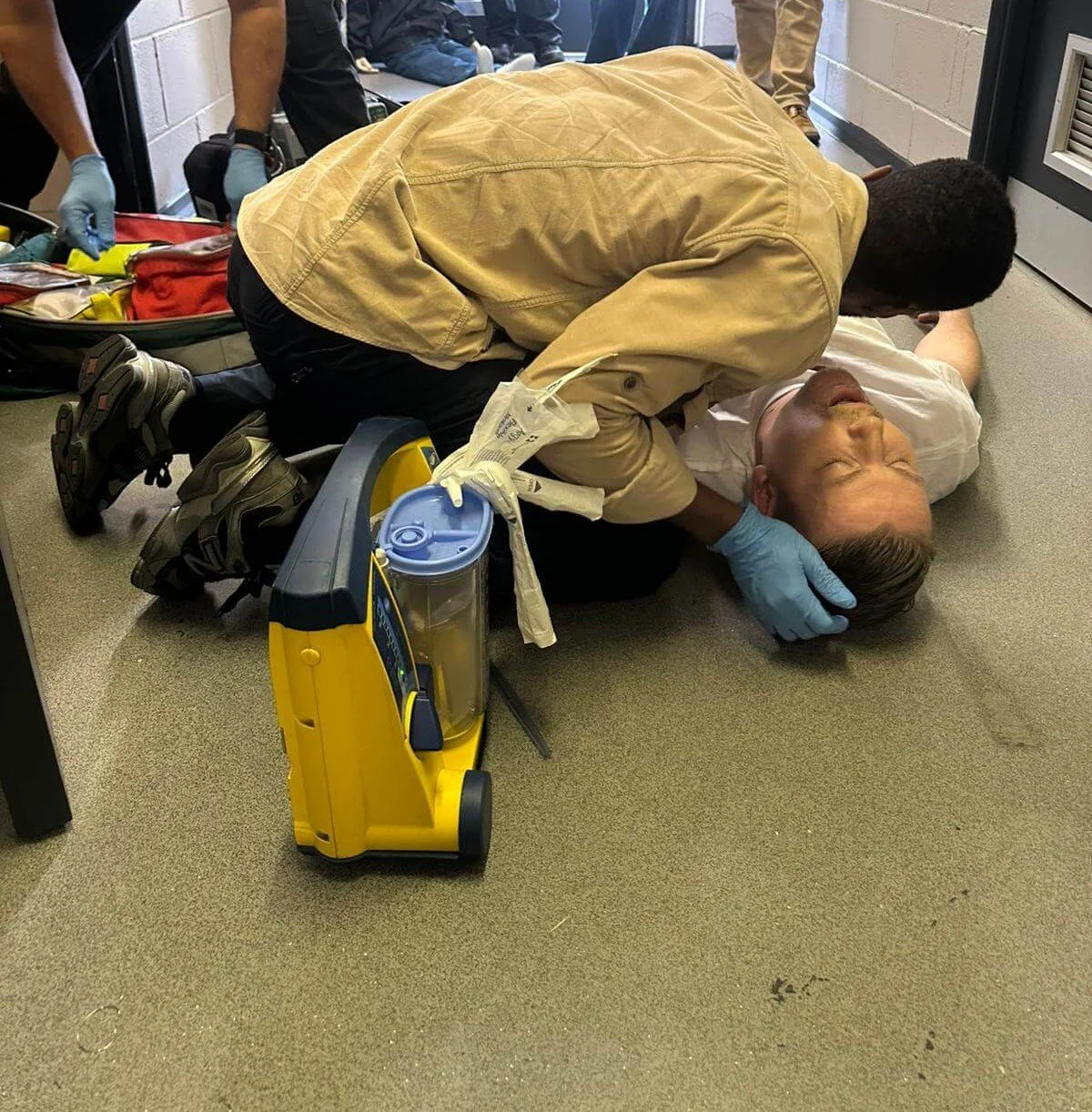
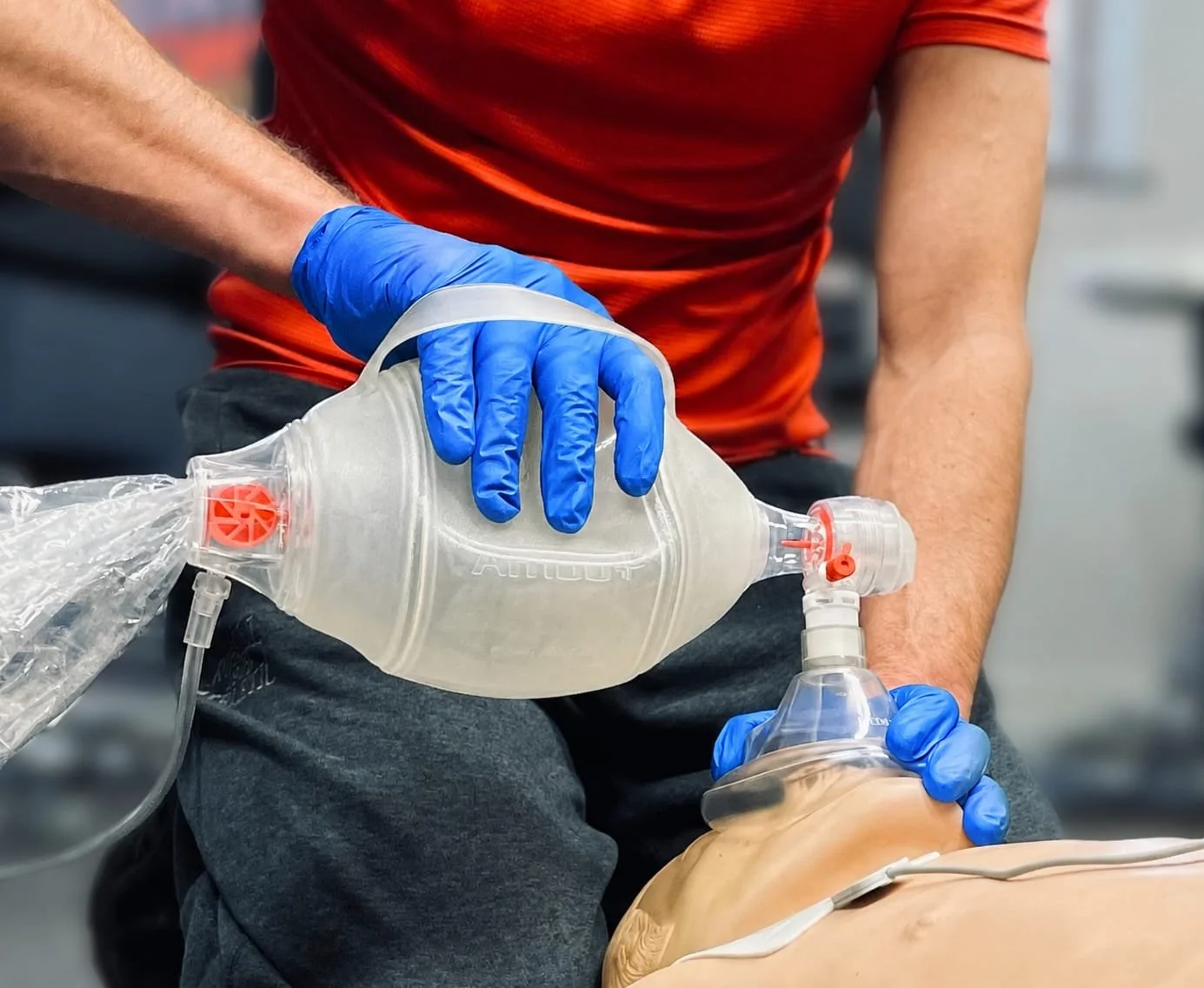
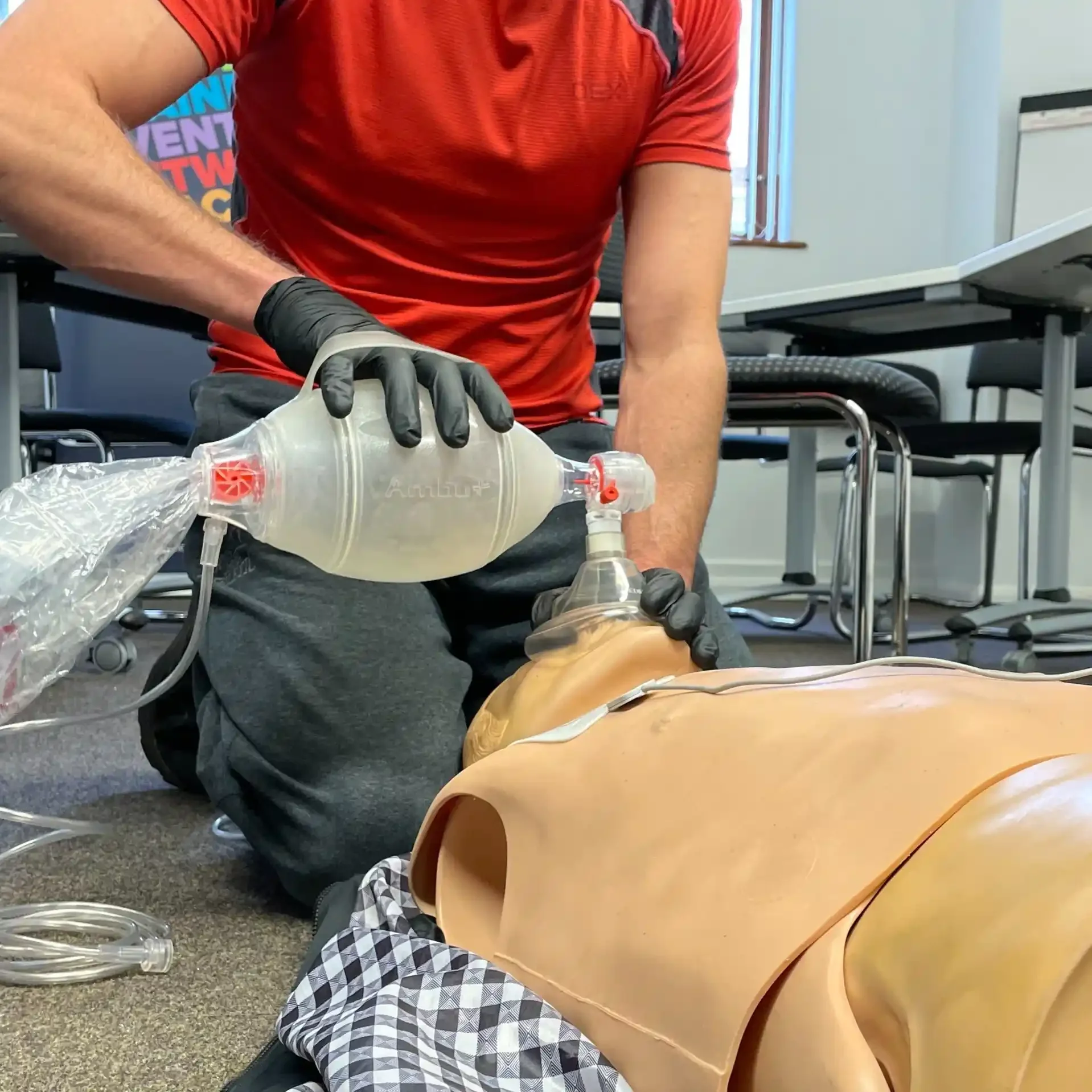
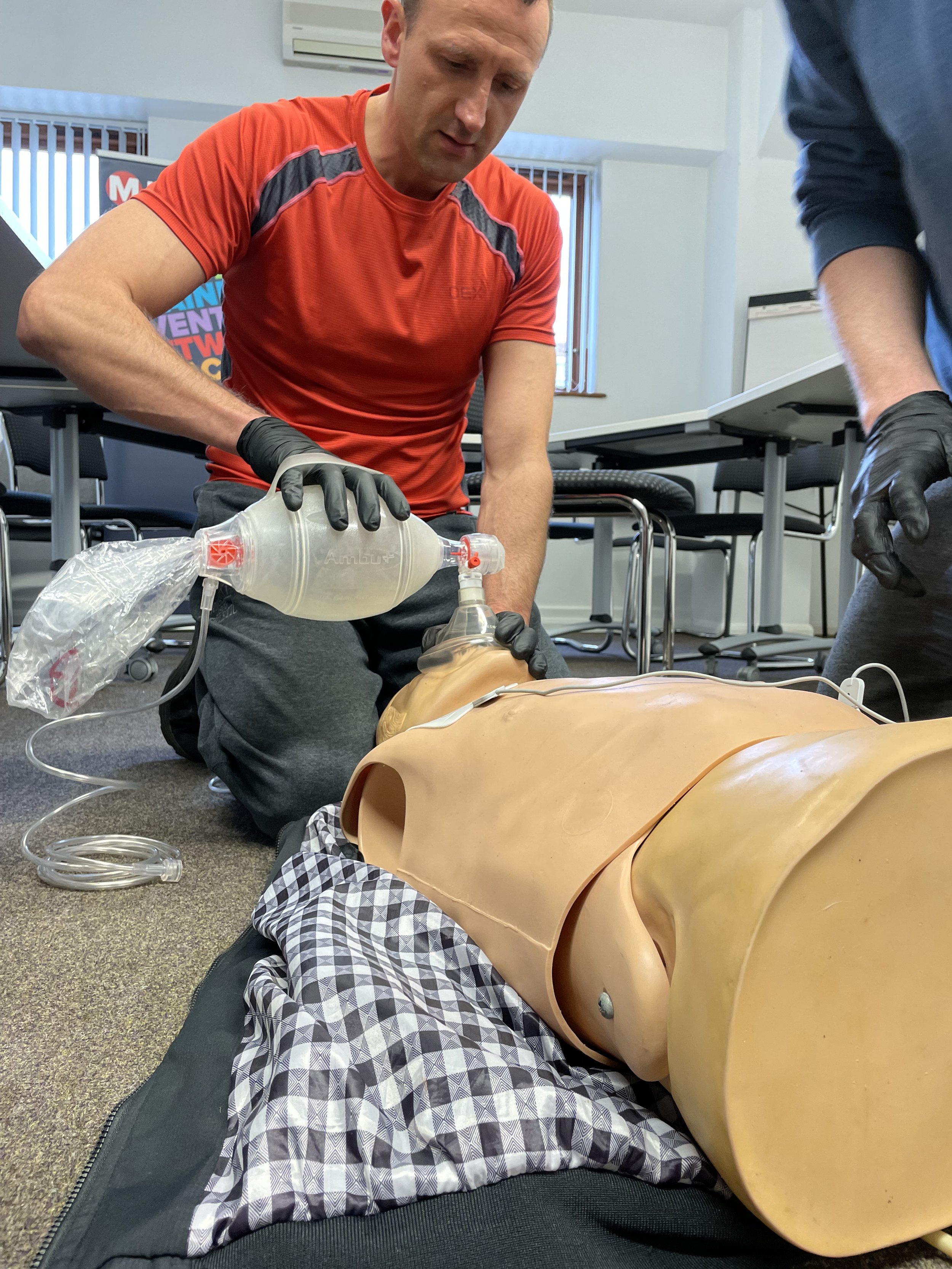
airway management
basic life support
trauma and medical scenarios
observations and patient assessment
It’s practical, not just theory.
WHY PEOPLE THINK IT’S HARD
Most learners don’t walk away saying:
“That was too complex.”
They say:
“That was a lot to take in.”
That’s the key difference.
FREC 3 compresses a lot of new information into a short period of time.
By the end of the first couple of days, you’re expected to:
understand a structured approach to patients
use unfamiliar terminology
work with equipment you’ve never used before
and apply it all in scenarios
If you’ve never done anything like that before, it can feel overwhelming.
WHERE LEARNERS ACTUALLY STRUGGLE
From experience, the sticking points are usually:
1. The Primary Survey
DR C ABC sounds simple on paper.
In practice, under pressure, it’s easy to:
forget steps
rush
or lose structure
That’s one of the biggest hurdles early on.
2. Thinking Under Pressure
It’s one thing understanding something.
It’s another applying it in a scenario with people watching, time pressure, and noise around you.
That’s where confidence drops for some learners.
3. New Language
Clinical terms can feel like a different language at first.
Words like:
hypoxia
perfusion
tachycardia
Once you understand them, they’re straightforward. But early on, they can make things feel harder than they actually are.
4. The Pace
It’s a five-day course with a lot to cover.
If everything is brand new, it can feel like you’re constantly trying to catch up.
SO… IS FREC 3 HARD?
A better way to answer it is this:
👉 It’s manageable - but it moves quickly.
👉 It’s not intellectually difficult - but it can feel overwhelming if you arrive unprepared.
👉 Most people can pass - but some struggle initially with confidence and structure.
WHAT MAKES IT MUCH EASIER
The biggest difference between learners isn’t intelligence.
It’s familiarity.
If you’ve already:
seen a primary survey before
heard the terminology
got a rough idea of what’s coming
everything feels more manageable.
You’re not trying to learn and process everything at the same time.
WHAT YOU CAN DO BEFOREHAND
If you want to make the course feel easier, focus on:
understanding DR C ABCDE
getting familiar with basic terminology
knowing what “normal” observations look like
seeing how a patient assessment flows
You don’t need to master it.
Just recognising it is enough to reduce that initial overwhelm.
If you want to take the pressure off before day one
We’ve put together a full FREC 3 preparation series designed to help you understand the key foundations before you arrive.
It covers lots of core topics such as:
primary survey
catastrophic bleeding
airway management
basic life support
observations
history taking
oxygen therapy
All explained clearly, with real-world context.