What Should I Know Before FREC 3? (A Practical Guide Before Day One)
If you’re about to start a FREC 3 course, this is probably what you’re thinking:
“What should I actually know before I turn up?”
The honest answer is:
You don’t need to know everything.
But turning up with some basic understanding of the key ideas makes a big difference to how confident you feel - and how much you get out of the course.
FREC 3 moves quickly. It introduces new concepts, new language, and a structured way of thinking about patients. If it’s your first exposure to pre-hospital care, that can feel like a lot at first.
This guide breaks down what’s genuinely useful to know before day one.
1. YOU SHOULD UNDERSTAND THE PRIMARY SURVEY
If there’s one thing to focus on, it’s this.
The primary survey is your structured approach to any patient:
Danger
Response
Catastrophic bleeding
Airway
Breathing
Circulation
You’ll hear it constantly throughout the course.
You don’t need to perform it perfectly before you arrive, but you should:
understand what the steps are
know the order
have a rough idea of what each part involves
This gives you a framework to hang everything else on.
2. YOU SHOULD KNOW WHAT “LIFE-THREATENING” MEANS
FREC 3 is built around one key idea:
👉 Treat first what kills first
That means recognising problems like:
severe bleeding
airway obstruction
lack of breathing
poor circulation
You’re not diagnosing conditions.
You’re spotting what will kill the patient quickly and dealing with that first.
Understanding this mindset early makes everything else easier to follow.
3. YOU SHOULD BE FAMILIAR WITH BASIC TERMINOLOGY
You don’t need to speak like a Doctor.
But having a rough understanding of common terms helps a lot.
Things like:
hypoxia (low oxygen)
tachycardia (fast heart rate)
respiration
circulation
At first, these words can make things feel more complicated than they actually are.
Once you understand them, everything starts to click.
4. YOU SHOULD KNOW WHAT “NORMAL” LOOKS LIKE
You’ll be taking observations such as:
pulse
breathing rate
oxygen saturations
If you already have a basic idea of:
what’s normal
what’s too high or too low
you’ll find it much easier to understand what’s going on with a patient.
You’re not expected to diagnose anything - just recognise when something isn’t right.
5. YOU SHOULD UNDERSTAND THAT IT’S PRACTICAL
A lot of people expect a classroom-heavy course.
FREC 3 is different.
You’ll be:
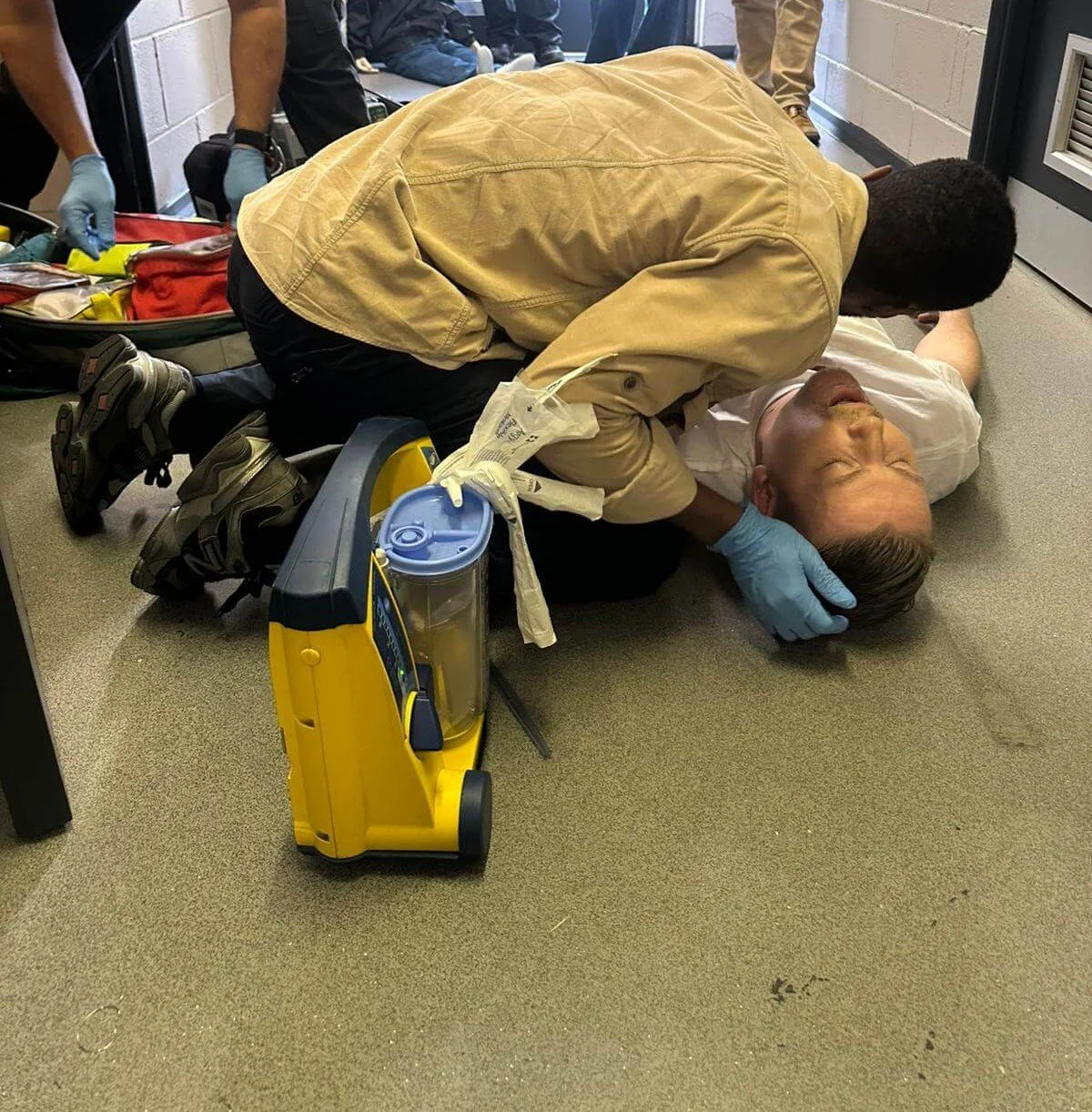
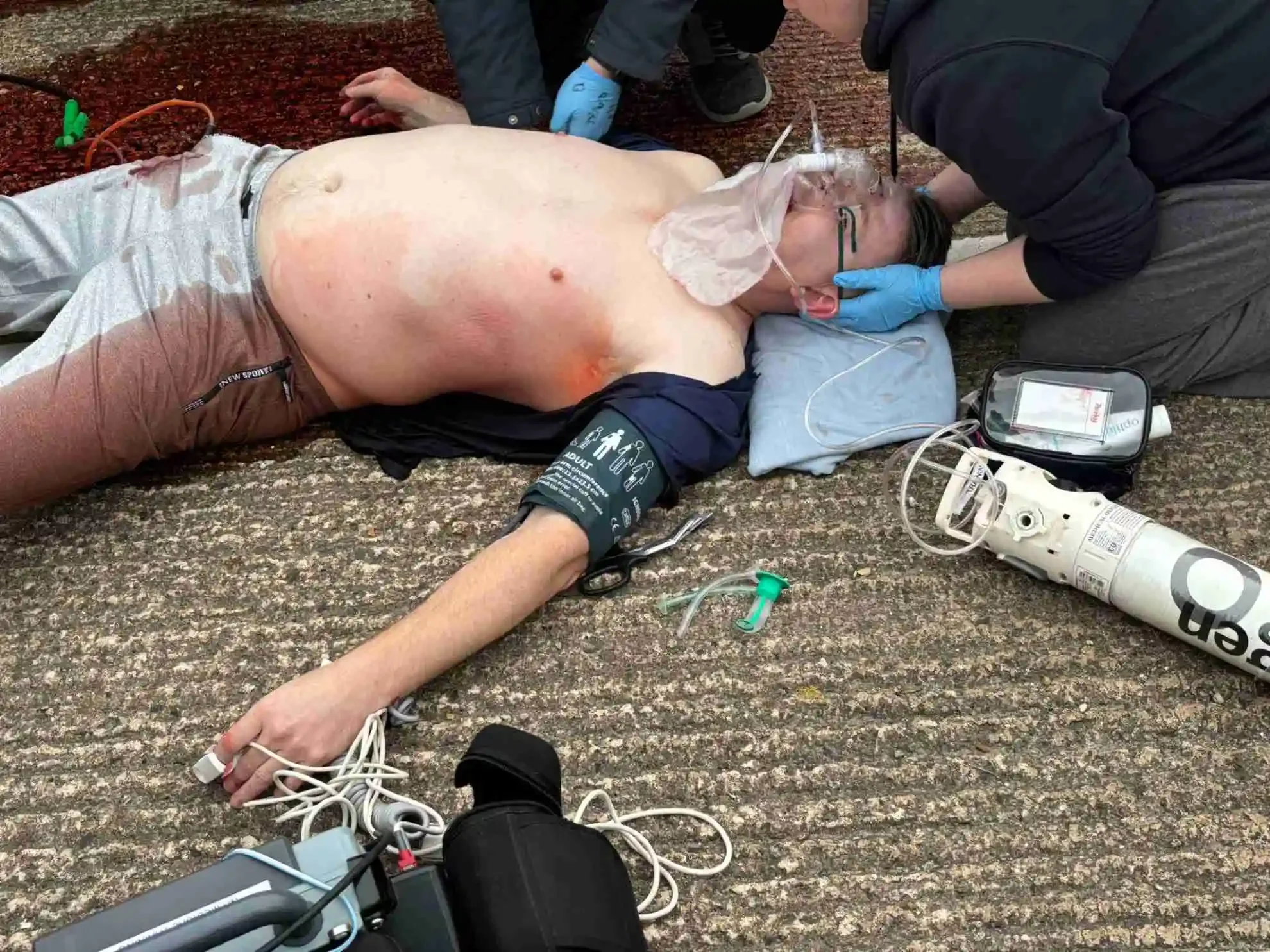
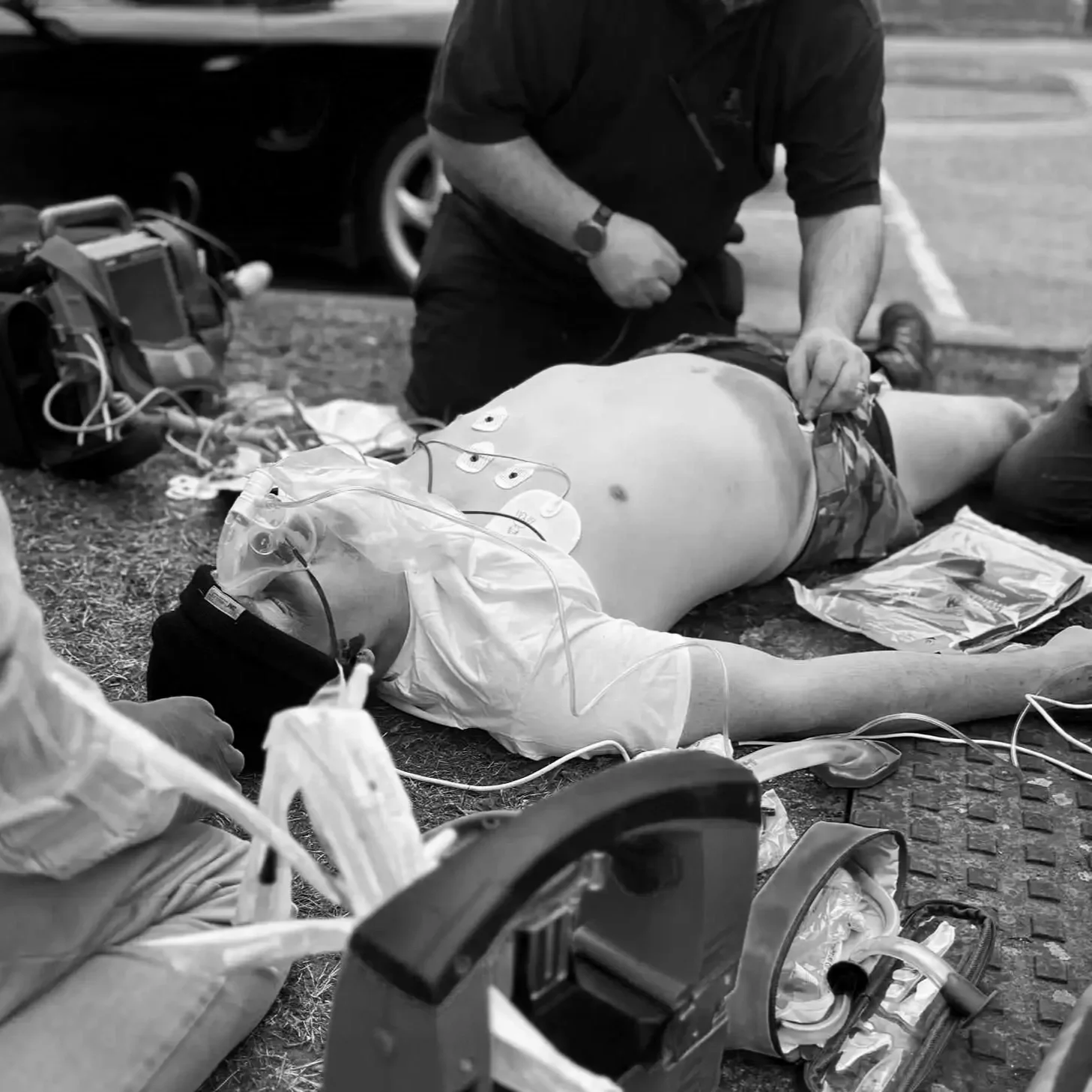
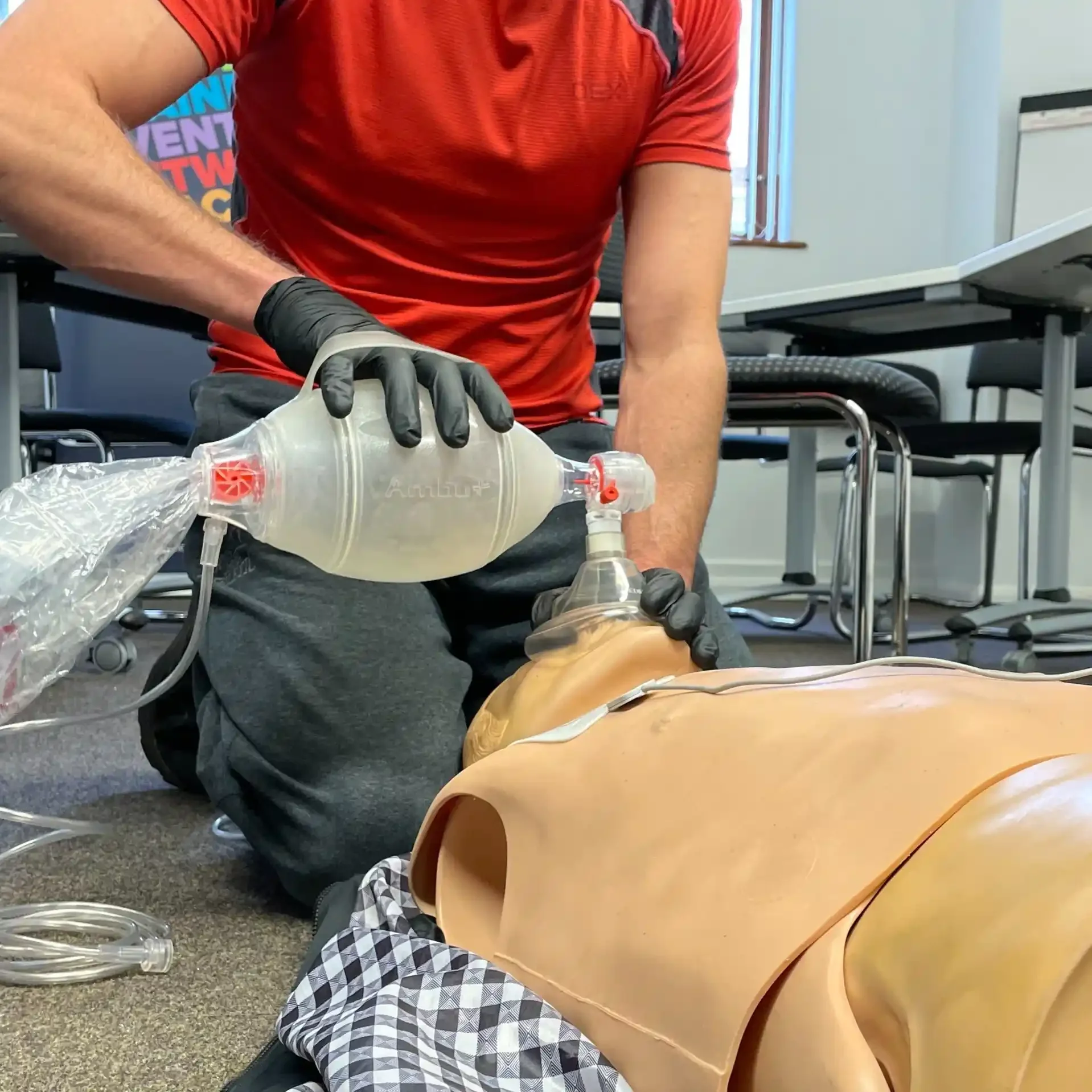
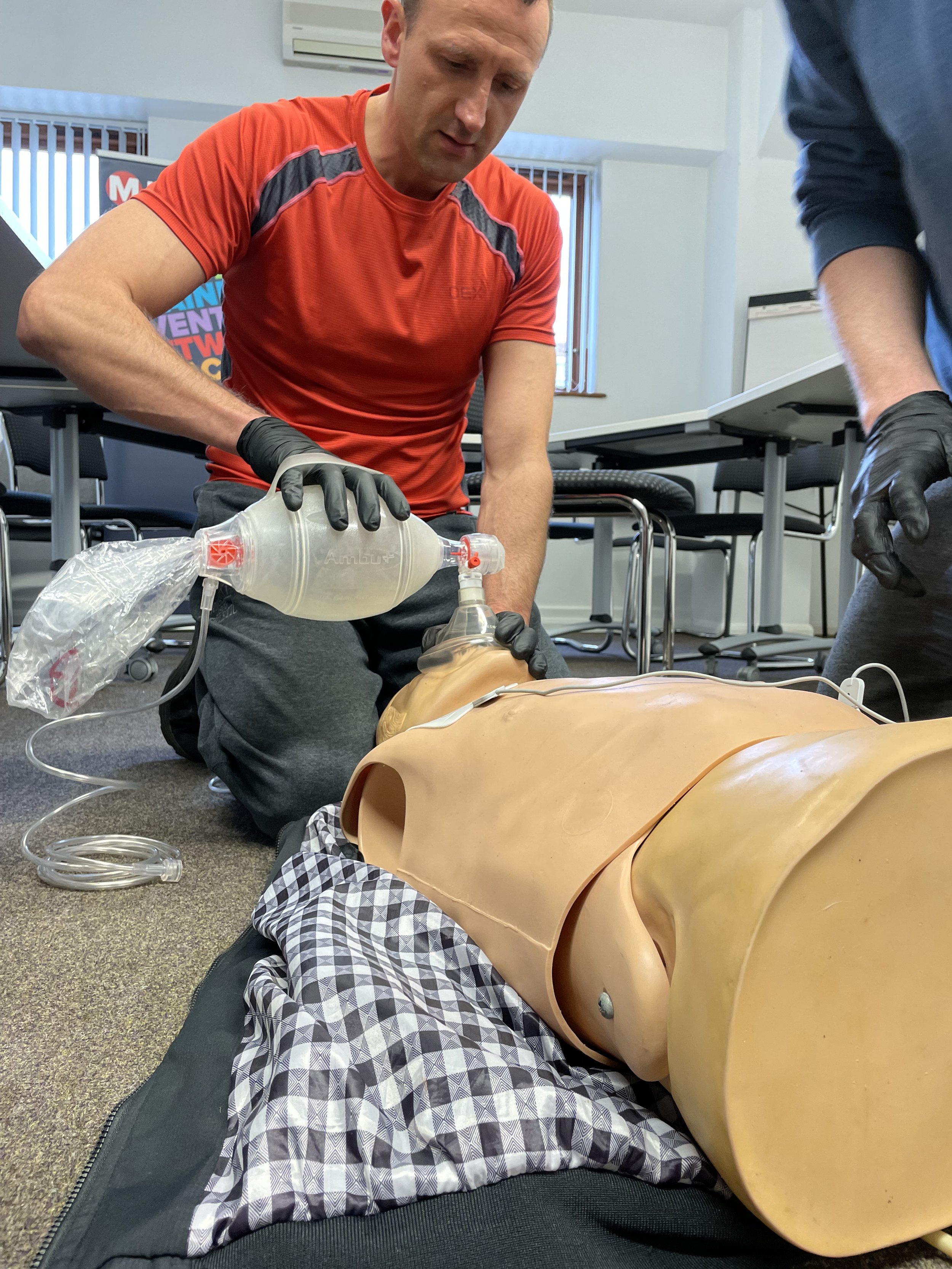
working in scenarios
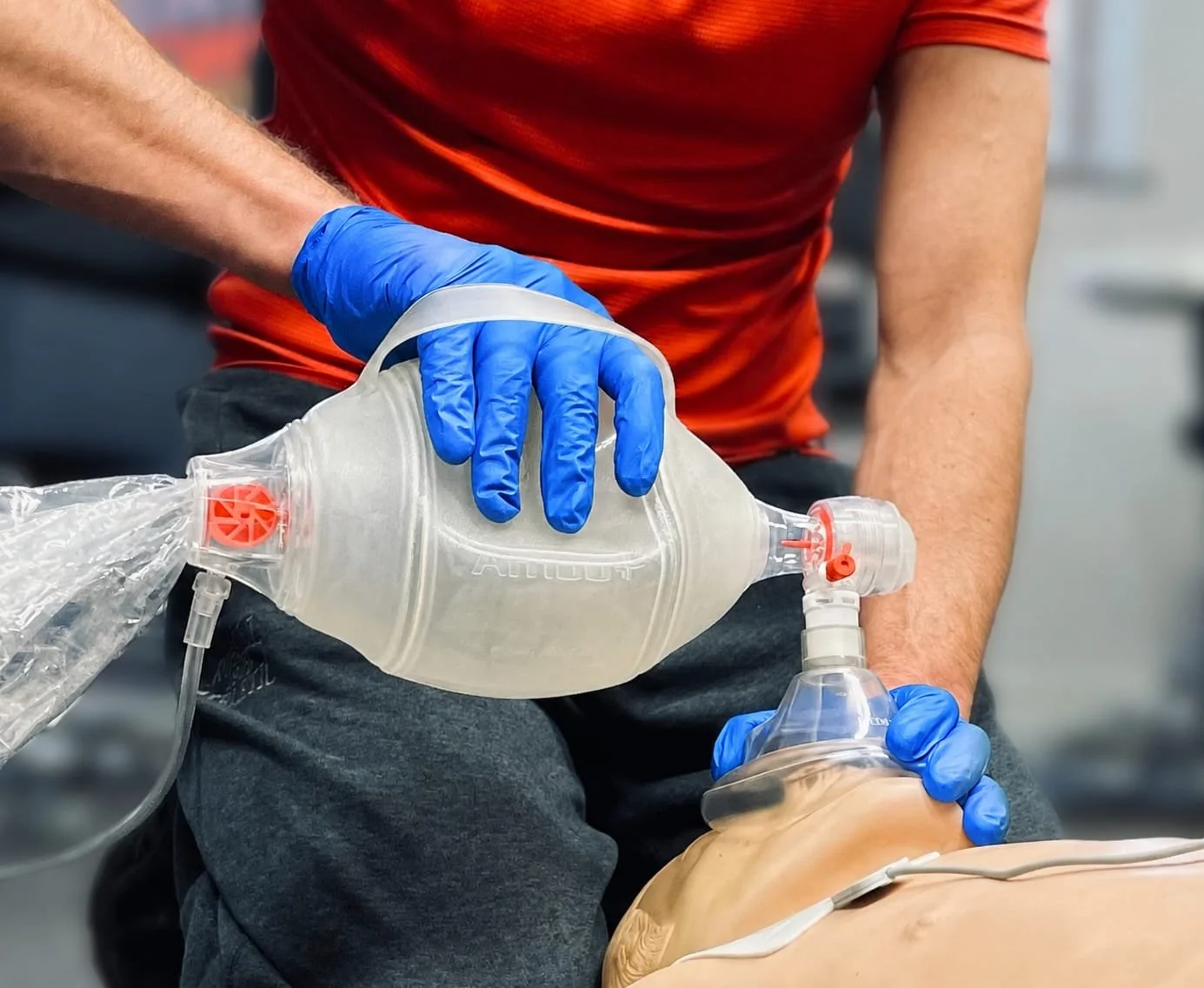
using equipment
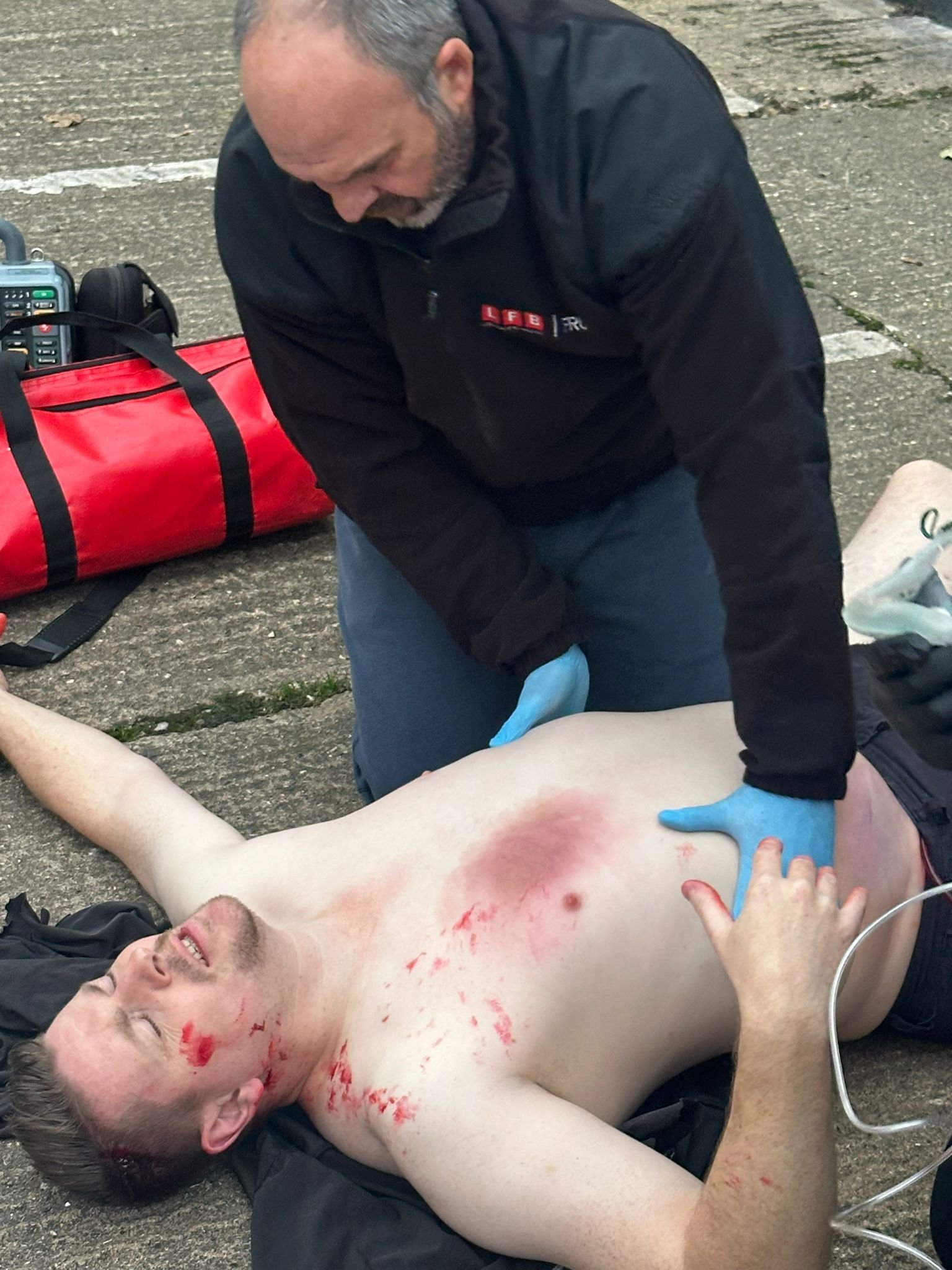
speaking to live actors posing as patients
being observed while you practise
That can feel uncomfortable at first if you’re not used to it.
Knowing this beforehand helps you mentally prepare.
6. YOU SHOULD EXPECT TO FEEL A BIT OVERWHELMED AT FIRST
This is normal.
Most people feel a bit unsure in the first couple of days.
Not because they can’t do it - but because:
everything is new
the pace is quick
they’re trying to process a lot at once
That feeling settles quickly once things start to repeat and make sense.
If you expect it, it won’t throw you off.
7. YOU DO NOT NEED TO KNOW EVERYTHING
This is important.
Before starting FREC 3, you do NOT need to:
memorise anatomy in detail
know every medical condition
understand advanced treatments
get everything right
The course is designed to teach you.
Preparation is about familiarity, not mastery.
WHAT MAKES THE BIGGEST DIFFERENCE
The people who do the best early on:
have seen the structure before
recognise the terminology
understand what matters first
That small head start reduces stress and builds confidence quickly.
If you want to feel more prepared before your FREC 3 course starts
We’ve put together a full FREC 3 preparation series that walks you through the key foundations before day one.
It covers many subjects including:
primary survey
catastrophic bleeding
airway management
basic life support
observations
history taking
oxygen therapy
All explained in plain English, with real-world context.
FREC 3 is a practical, hands-on qualification.
You’re not expected to arrive knowing everything.
But if you turn up with a basic understanding of what’s coming, the whole course feels very different.
You’ll follow it more easily.
You’ll feel more confident.
And you’ll get more from every scenario.
That’s what preparation is really about.