What Happens on a FREC 3 Course? A Day-by-Day Breakdown
If you’re looking at booking a FREC 3 course, this guide breaks down exactly what happens each day and what to expect before you start.
Most course pages list topics. That doesn’t really show how the course builds, how practical it is, or what’s expected of you as the week goes on.
This is how a typical FREC 3 course is delivered and what you can expect across the five days.
What is a FREC 3 course?
The FREC 3 (First Response Emergency Care Level 3) qualification is a regulated pre-hospital care course.
It’s commonly taken by:
Event medical staff
Anyone stepping beyond basic first aid
It goes well beyond standard first aid and introduces structured patient assessment and decision-making in more realistic settings.
How the FREC 3 course builds across the week
The course is practical throughout, not just at the end.
Here’s how it progresses:
Day 1: Foundation with some practical
Day 2: More hands-on with linked scenarios
Day 3: Increased pressure and more complex scenarios
Day 4: Consolidation, anatomy and physiology exam, and scenario work
Day 5: Higher pressure scenarios and final practical assessments
Scenarios are introduced early and built up gradually, so by the end of the week you’re applying everything under more realistic conditions.
Day 1 – Foundation and structure
Day one is about building the groundwork.
There’s a mix of theory and practical, but it’s the least scenario-heavy day.
You’ll cover:
roles and responsibilities
scene safety and approach
calling for help
early patient assessment
life-threatening bleeding
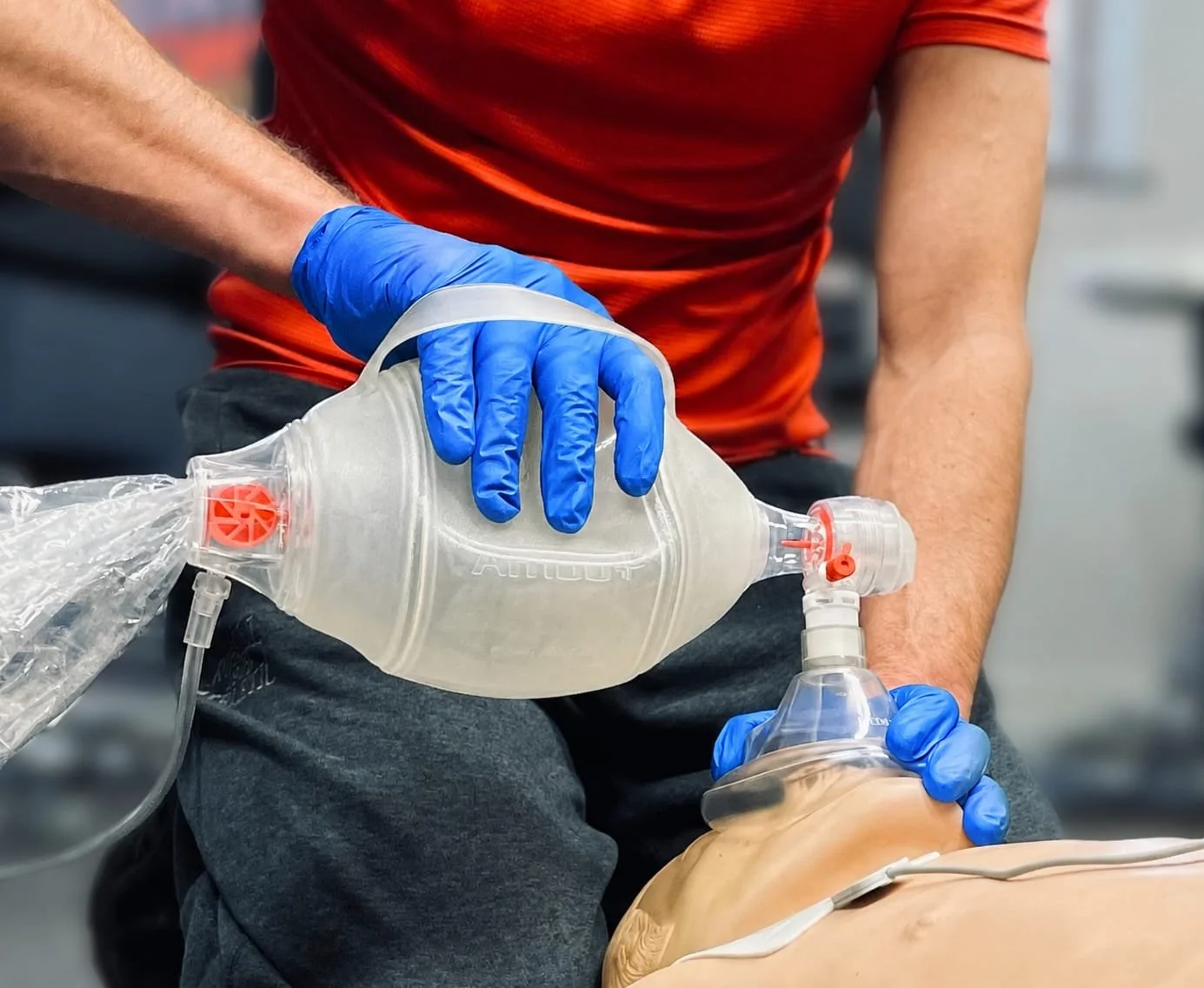
airway basics (OPA, NPA, Suction, Postural Drainage) and oxygen
This reflects the formal lesson plan, which focuses on scene management, bleeding control, airway and medical gases.
What it feels like:
A lot of new information
A clear step up from first aid
Practical skills introduced in a controlled way
Day 2 – More hands-on and scenario-based
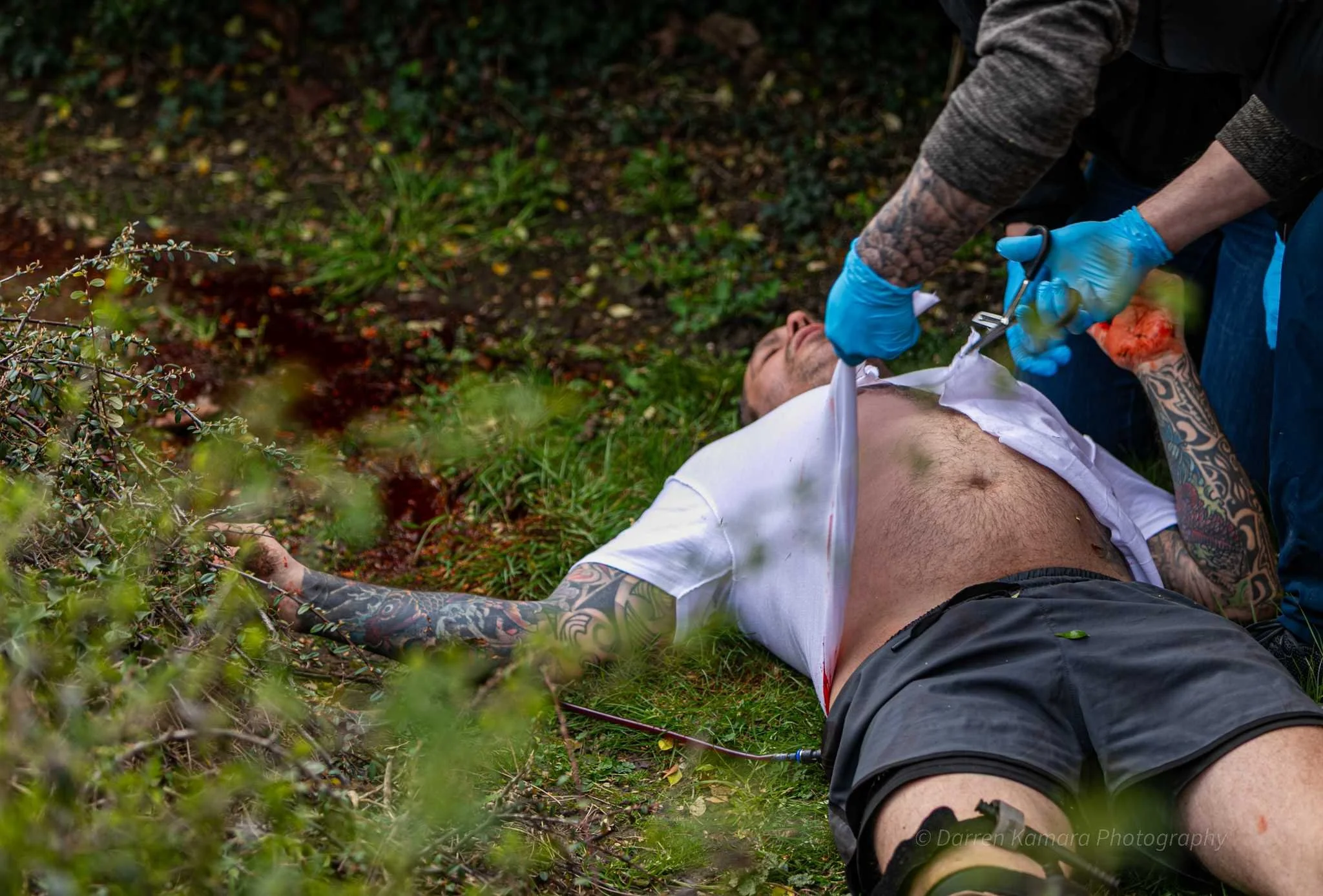
Day two is where the course becomes more practical.
You’ll work through:
unresponsive patients
breathing problems
cardiac conditions
full BLS (adult, child, infant)
AED use
Scenarios start linking topics together rather than sitting in isolation.
What it feels like:
Less theory, more doing
You begin applying a structured approach
Scenarios start to feel more realistic
Day 3 – Trauma and increasing pressure
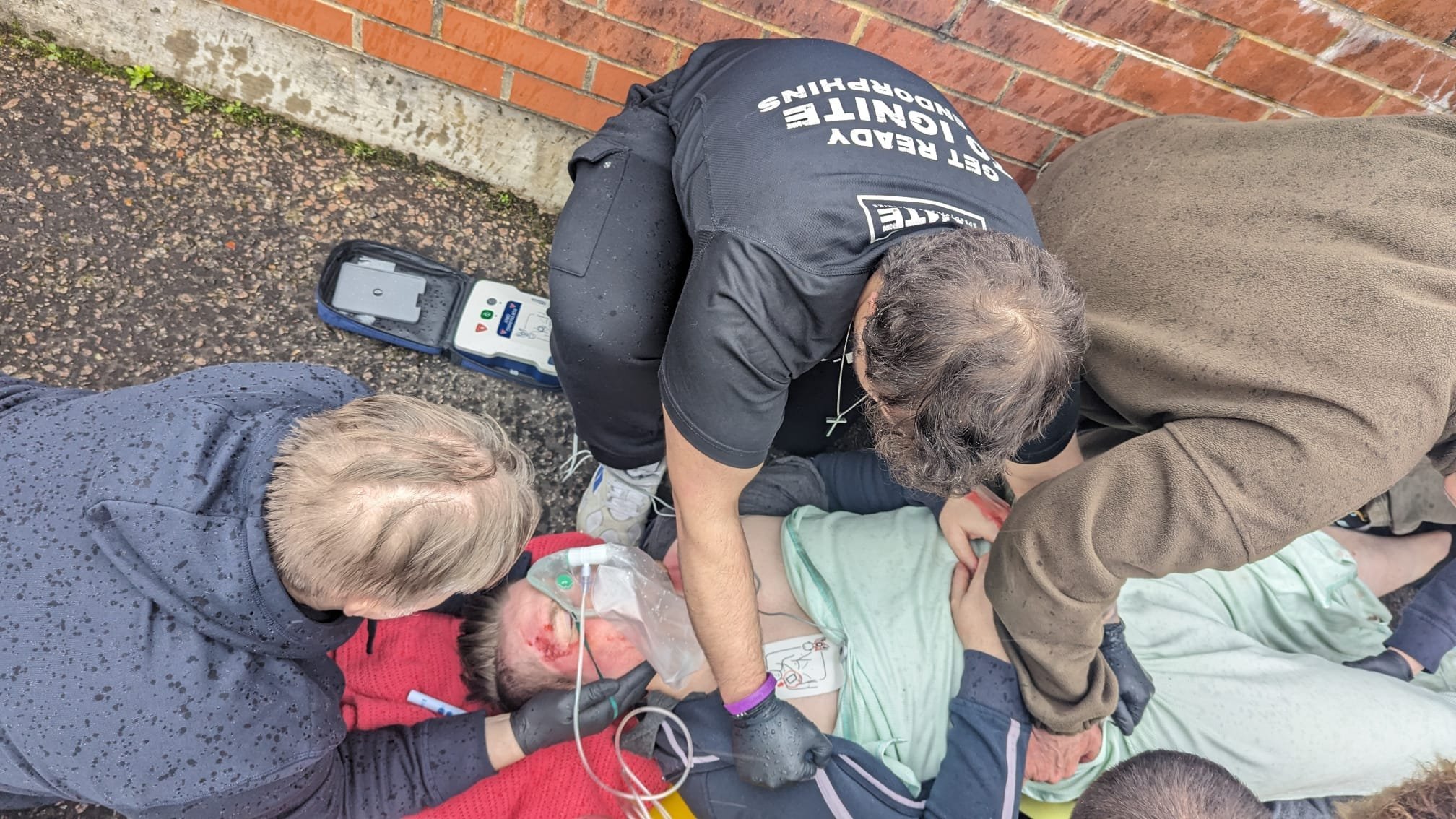
Day three is where the intensity increases.
You’ll cover:
trauma assessment
chest injuries
shock
wounds and bleeding
burns
major medical emergencies (sepsis, stroke, anaphylaxis, diabetes)
Scenarios become more demanding and time-pressured.
What it feels like:
Faster pace
More decision-making
A noticeable increase in pressure
This is often the most challenging point in the week, which is expected as skills are being pushed further.
Day 4 – Consolidation and anatomy & physiology exam
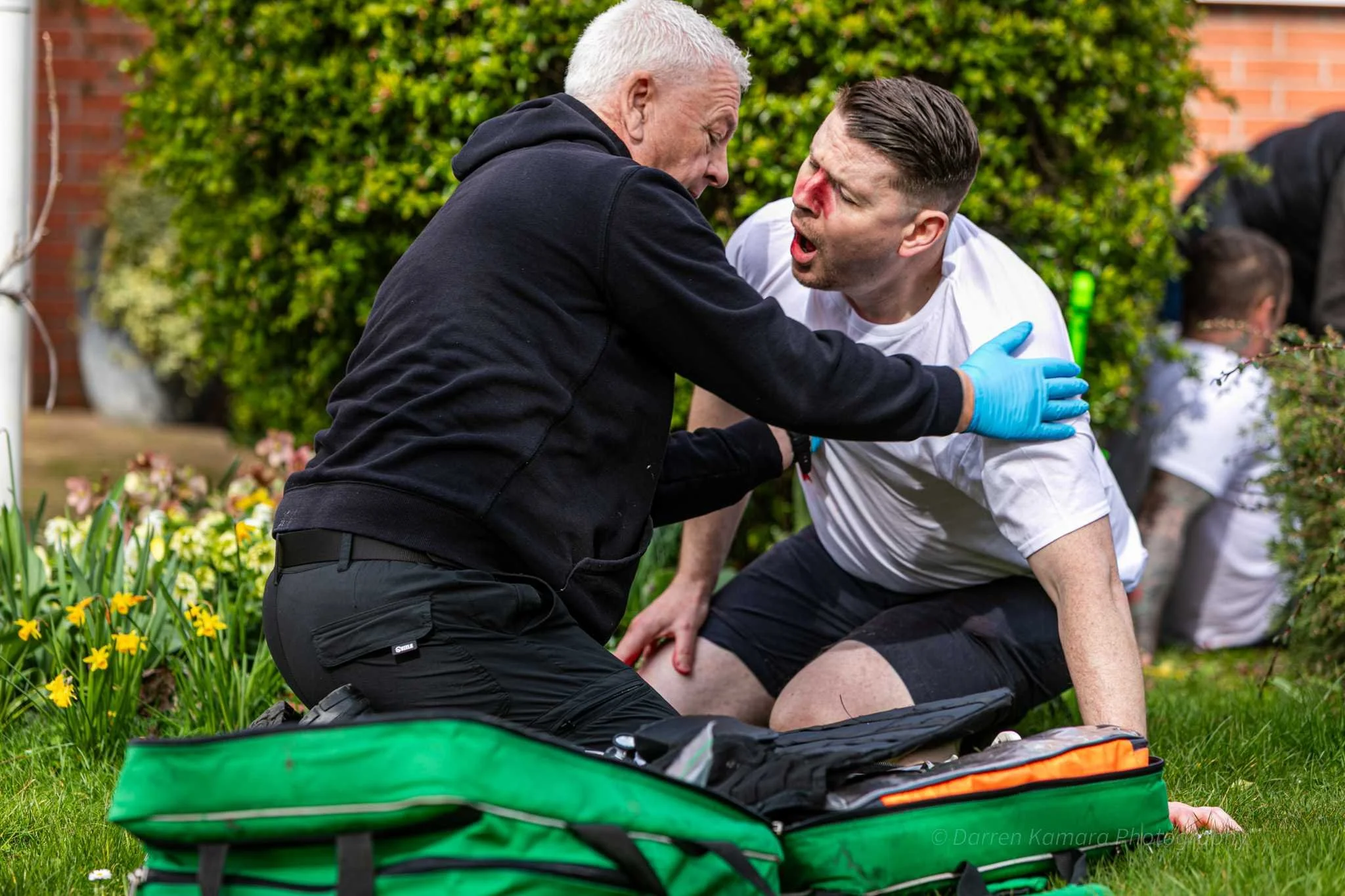
By day four, most of the core content has been covered.
You’ll work through:
head and spinal injuries
moving and handling
poisoning and convulsions
triage and environmental factors
There is also:
the anatomy and physiology (A&P) exam
structured scenario work to consolidate learning
This aligns with the formal structure, which includes trauma care, patient movement and assessment.
What it feels like:
Things start coming together
You’re working more independently
The structure of patient assessment becomes clearer
Day 5 – Higher pressure scenarios and final assessments
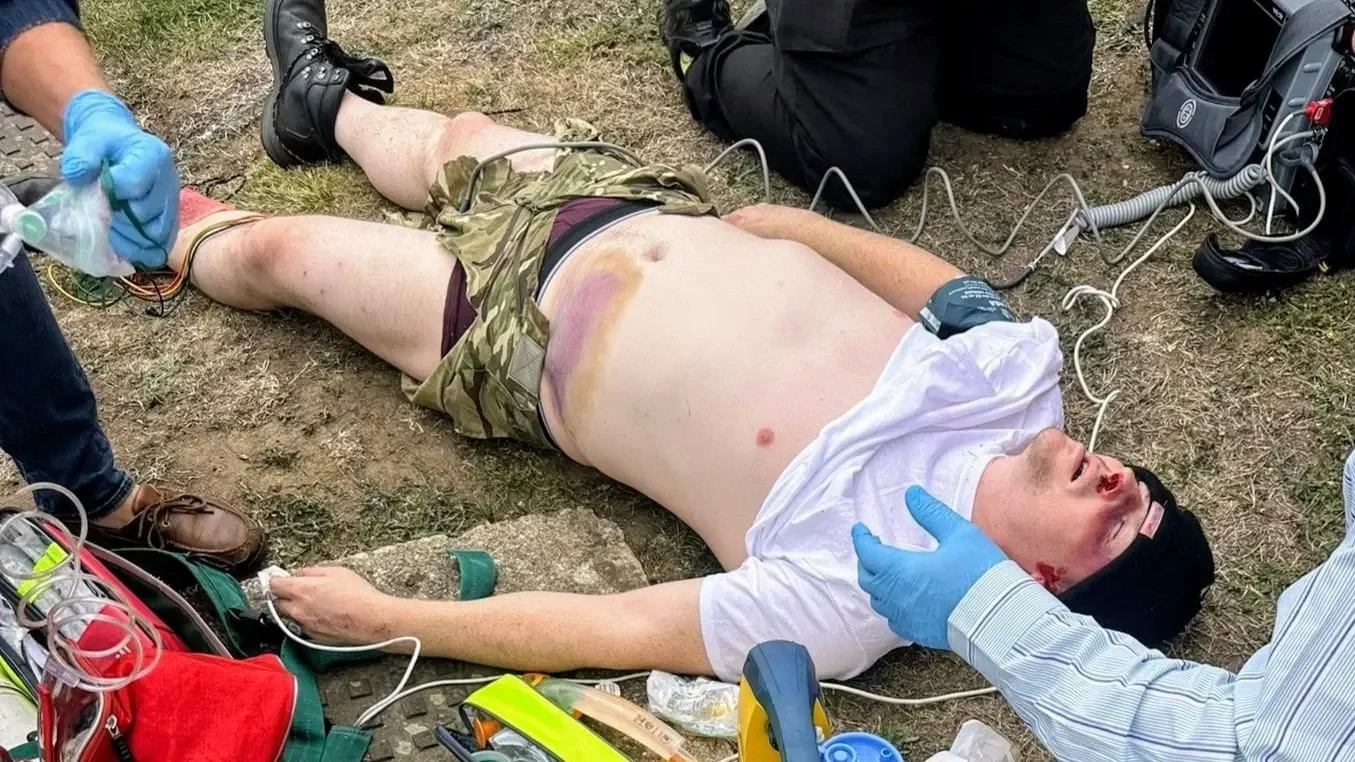
The final day focuses on applying everything under more realistic conditions.
You’ll complete:
low and high acuity scenarios
environmental emergencies
final practical assessments
the MCQ exam
This reflects the final day structure, which is heavily focused on assessment and application.
What it feels like:
More complex scenarios
Greater independence
A noticeable increase in confidence compared to earlier in the week
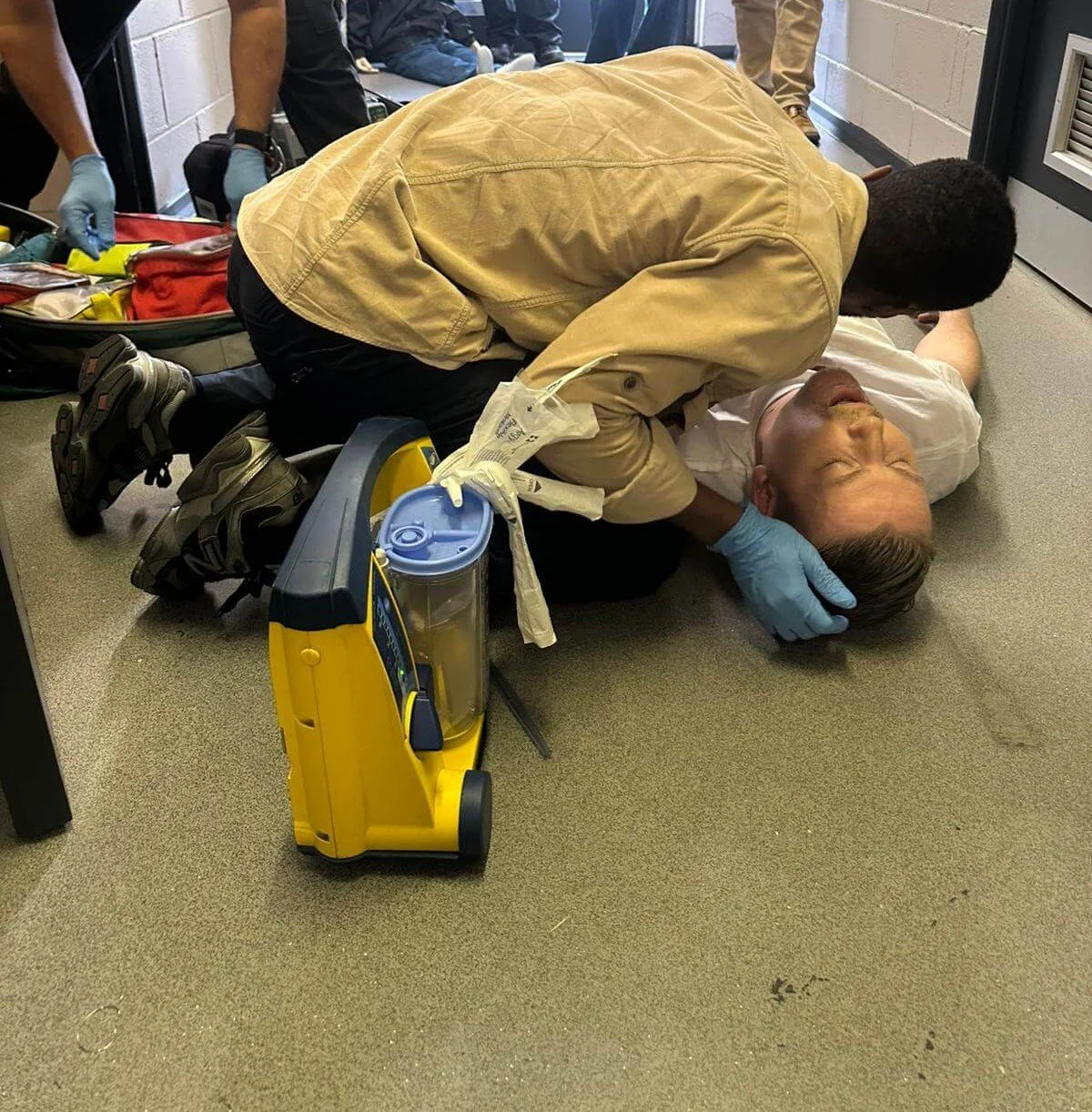
How we make FREC 3 realistic
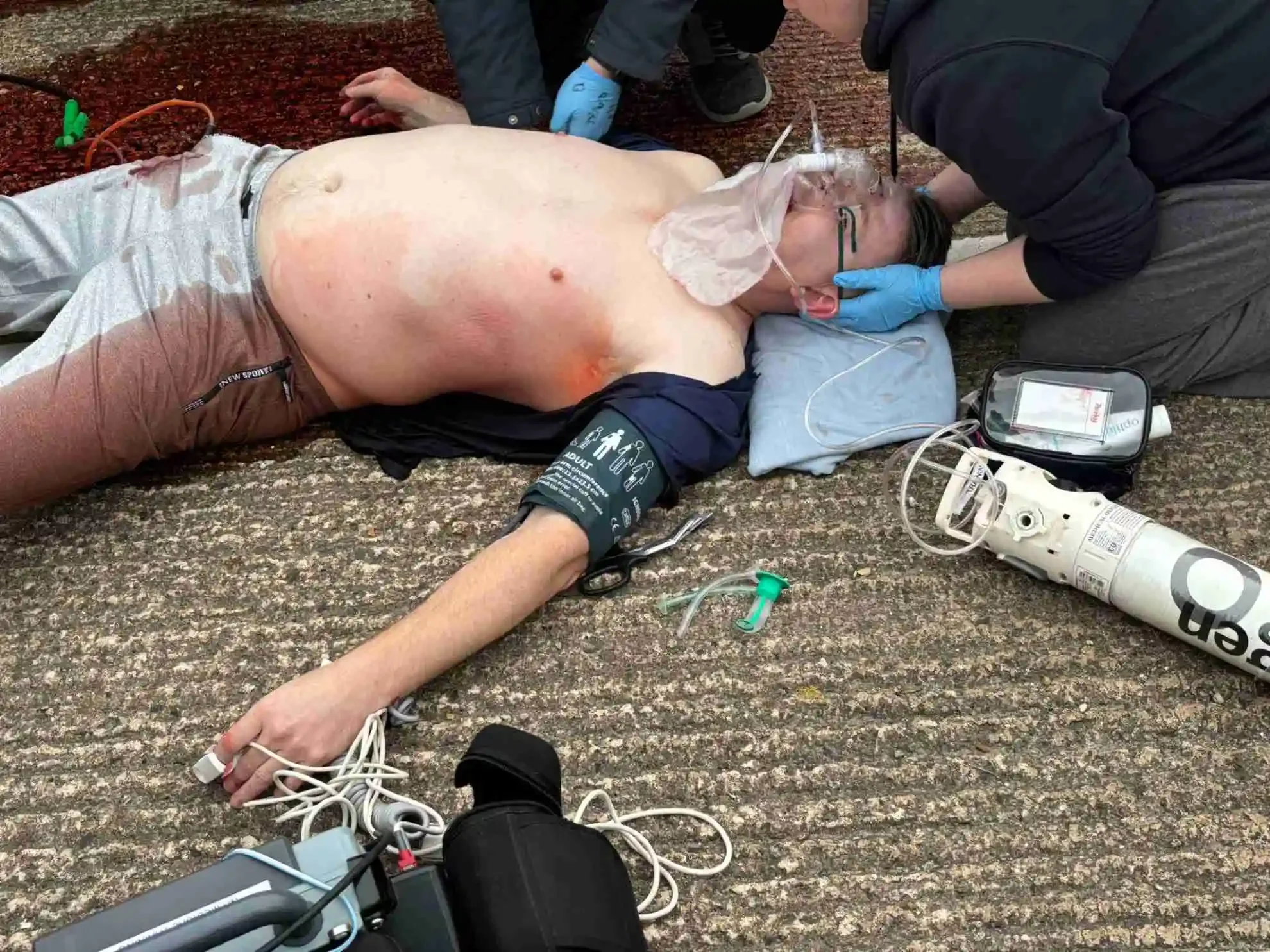
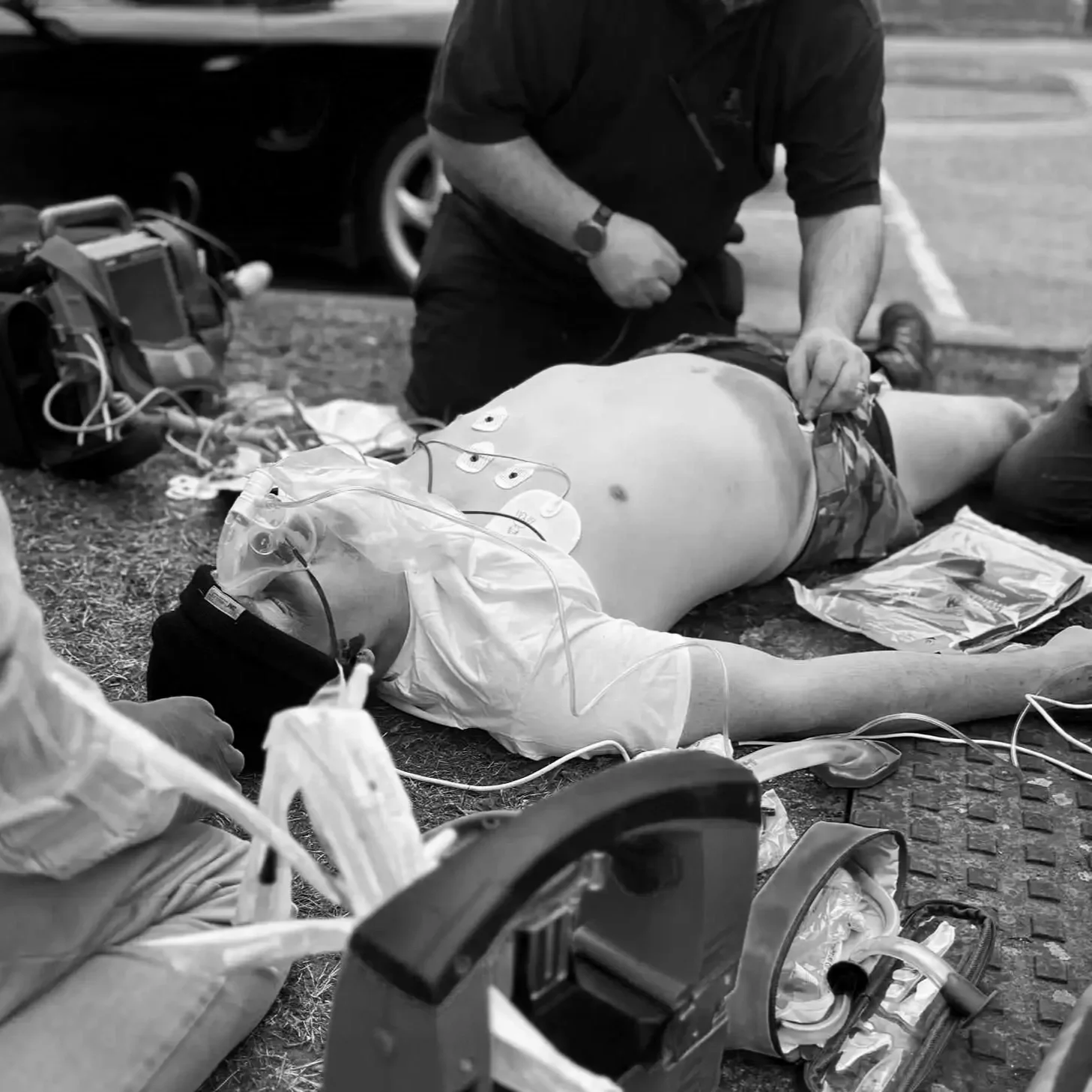
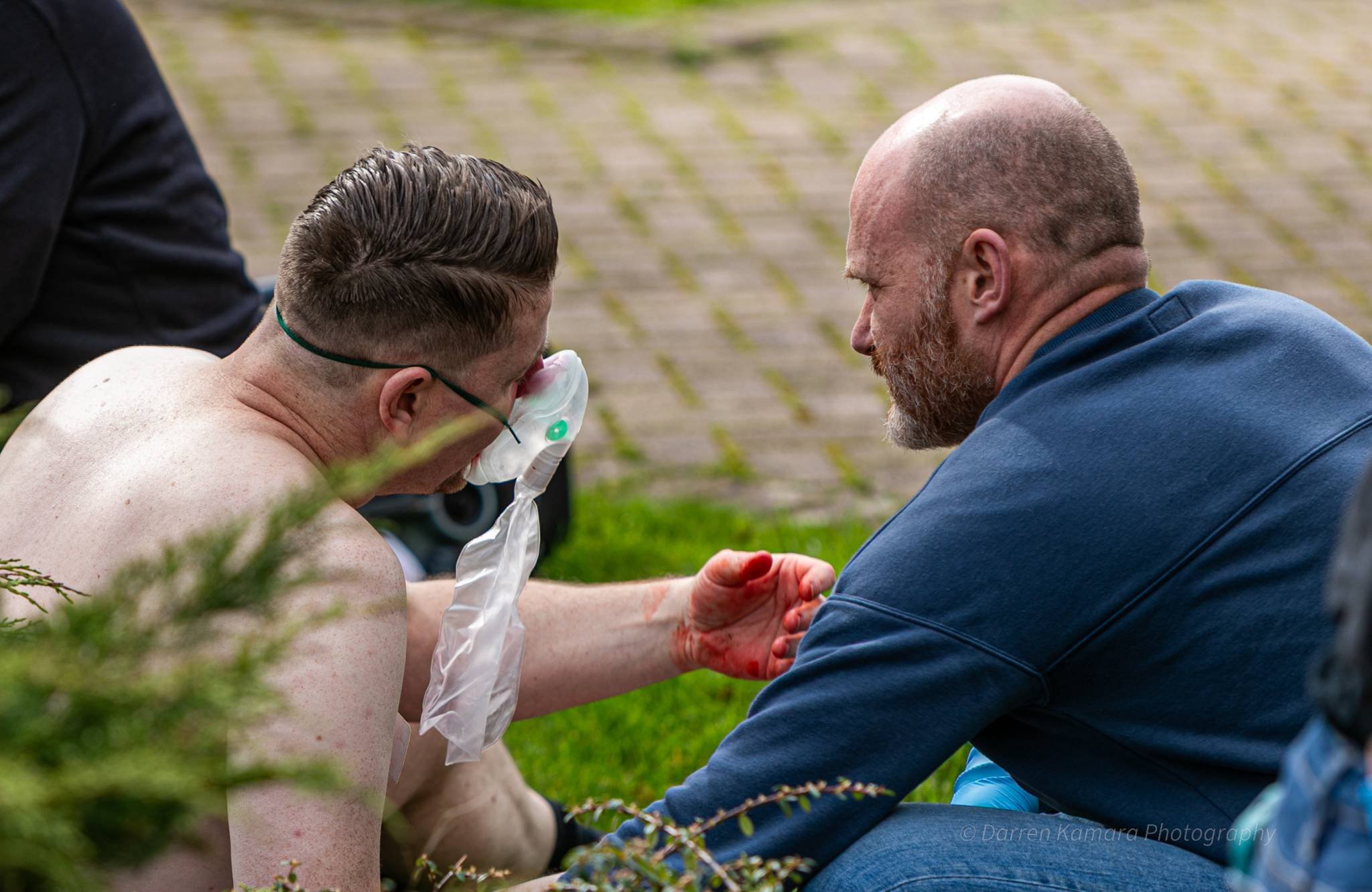
Throughout the course, we use:
scenario-based training
high-quality moulage (injury simulation)
clinicians acting as patients during scenarios
clinician-led instruction
This allows scenarios to feel realistic while still being controlled and safe.
Common concerns before a FREC 3 course
Moving beyond first aid
FREC 3 introduces a more structured approach to patient care. That shift can feel different at first, but it builds quickly.
Anatomy and physiology
This is something people often think about before starting. It’s taught during the course and tends to make more sense once you begin applying it.
Being observed in scenarios
There is an element of being assessed while you work. This is introduced gradually as confidence builds.
How confidence typically develops
Most learners follow a similar pattern:
steady start
gradual improvement
a more challenging middle point
strong finish
By the end of the course, most people are working through patient assessments in a structured and confident way.
How to prepare for a FREC 3 course
If you want to get the most out of it:
revise basic anatomy terms
understand what a primary survey is
get familiar with medical terminology
You don’t need prior experience, but being prepared helps you settle in faster.
If you’re deciding whether a FREC 3 course is right for you, understanding how it runs day to day makes that decision much easier.
Final thought
A goodFREC 3 course should feel like progression, not repetition.
By the end of the five days, you should have:
a clear structure for assessing patients
the ability to apply skills under pressure
and a better understanding of pre-hospital care in real situations
FREC 3 Course – Frequently Asked Questions
These are some of the most common questions we get from learners before starting a FREC 3 course.
-
No.
FREC 3 is designed for people with no prior medical background. It starts from the basics and builds up over the five days.
-
It’s a step up from basic first aid, but it’s designed to build gradually.
Most learners find it challenging in parts, particularly when scenarios become more realistic, but confidence usually improves as the course progresses.
-
FREC 3 becomes increasingly practical as the week goes on.
You’ll start with some theory on day one, then move into more hands-on scenarios from day two onwards, building up to more realistic situations by the end of the course.
-
You’ll complete a mix of:
practical assessments
a multiple choice exam
an anatomy and physiology (A&P) exam
These are designed to check both your understanding and your ability to apply what you’ve learned.
-
You don’t need prior experience, but it helps to:
revise basic anatomy and terminology
understand the idea of a primary survey
come ready to take part in practical sessions
-
That’s completely normal.
The course is structured to build gradually, and most learners improve as the week goes on. Support is provided throughout, especially during practical sessions.
-
After FREC 3, you can:
work in roles such as event medical or security response
act as a higher-level workplace first aider
progress on to FREC 4
-
FREC 3 gives you a recognised foundation in pre-hospital care.
The roles you can carry out will depend on your organisation, environment and clinical governance arrangements.
Upcomming FREC 3 Course Dates
Read More About FREC 3