Is Online First Aid Training Enough?
Online training is everywhere now.
So it’s no surprise people ask:
“Can I just do first aid training online?”
The short answer is:
👉 Online first aid training can be useful — but on its own, it is usually not enough.

What online first aid training is good for
Online training works well for:
learning basic concepts
understanding theory
building awareness
refreshing knowledge
It can be a good starting point, especially if someone has never done first aid before.
Where online training falls short
First aid is not just knowledge.
It’s practical.
You need to be able to:
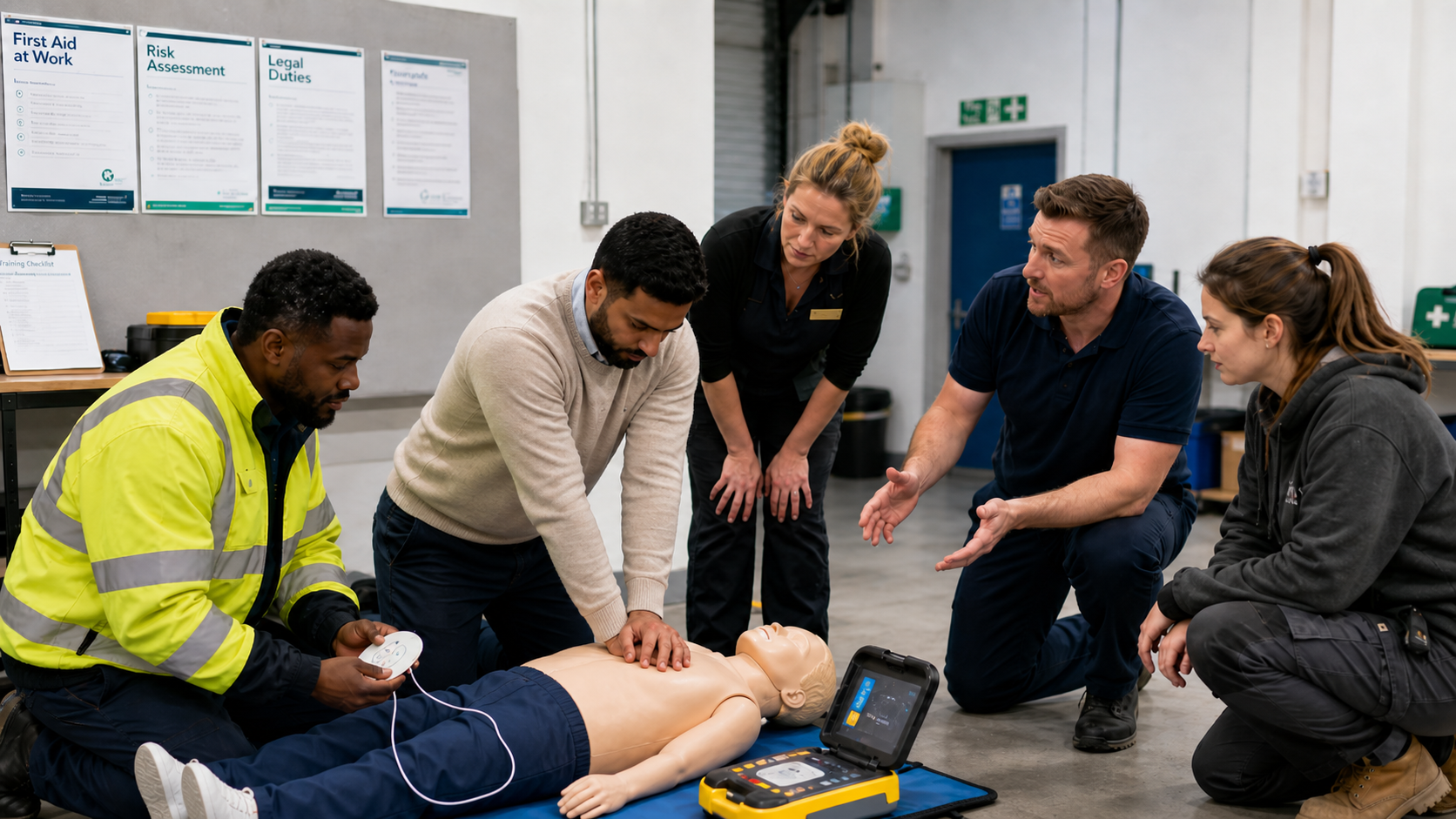
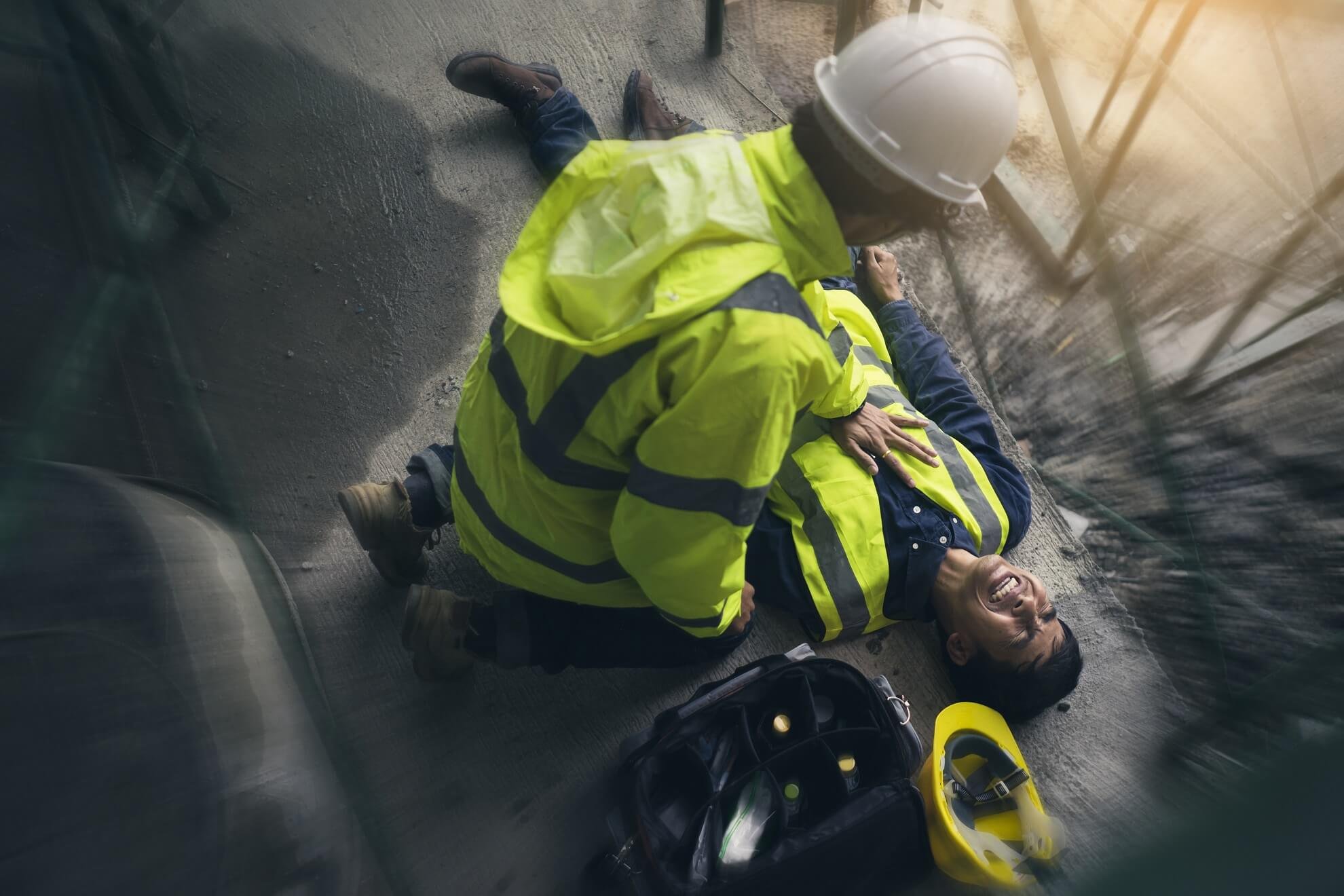
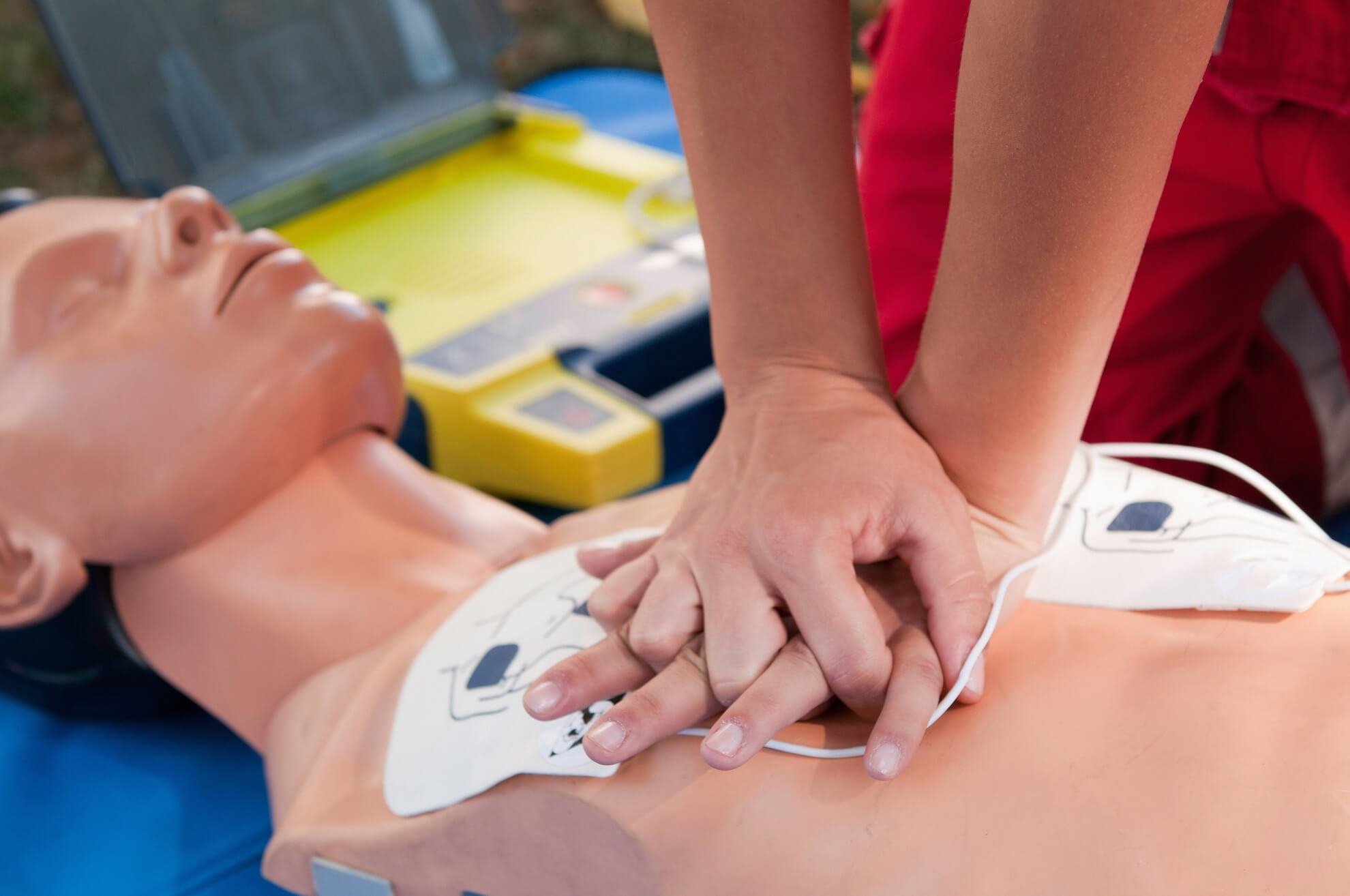
perform CPR
use an AED
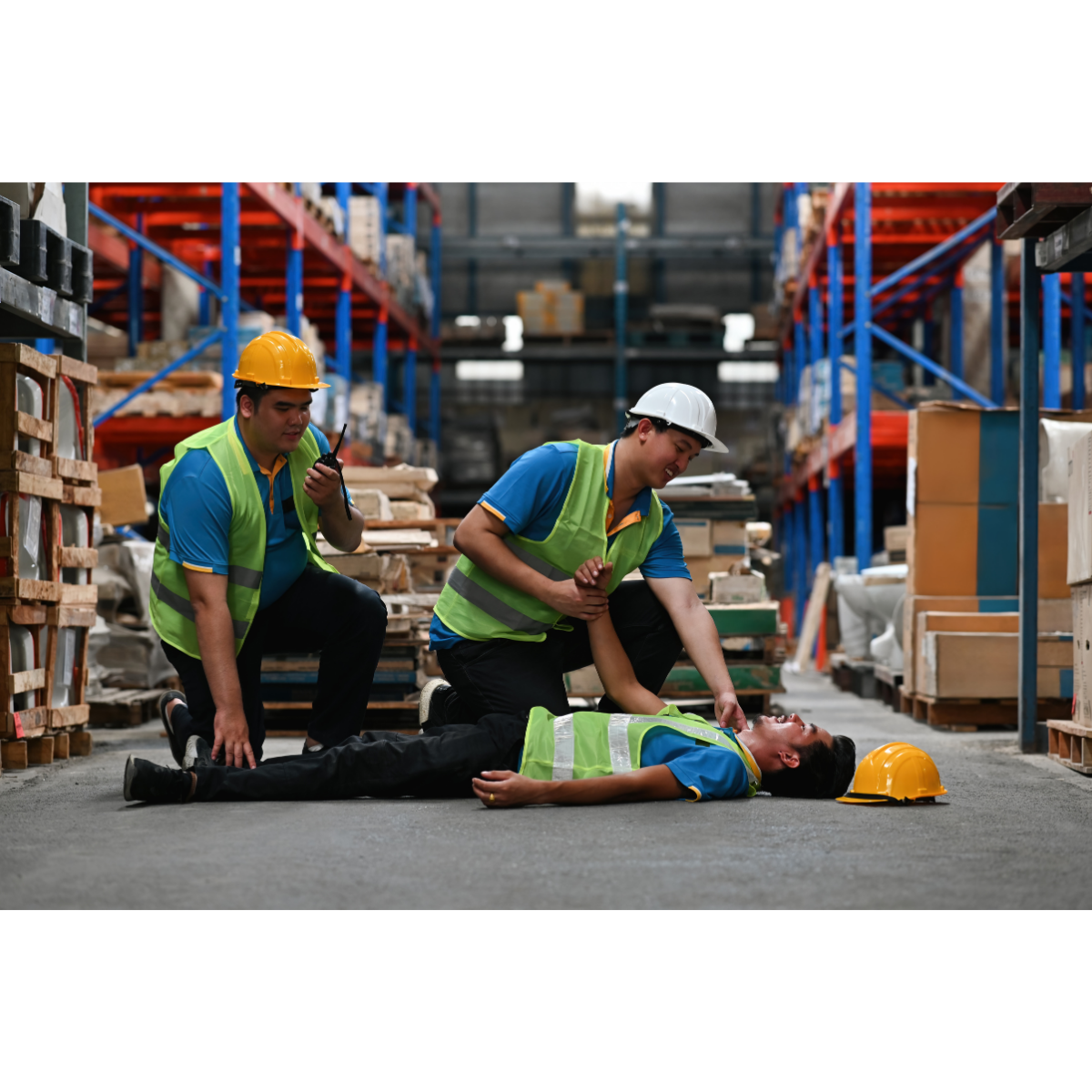
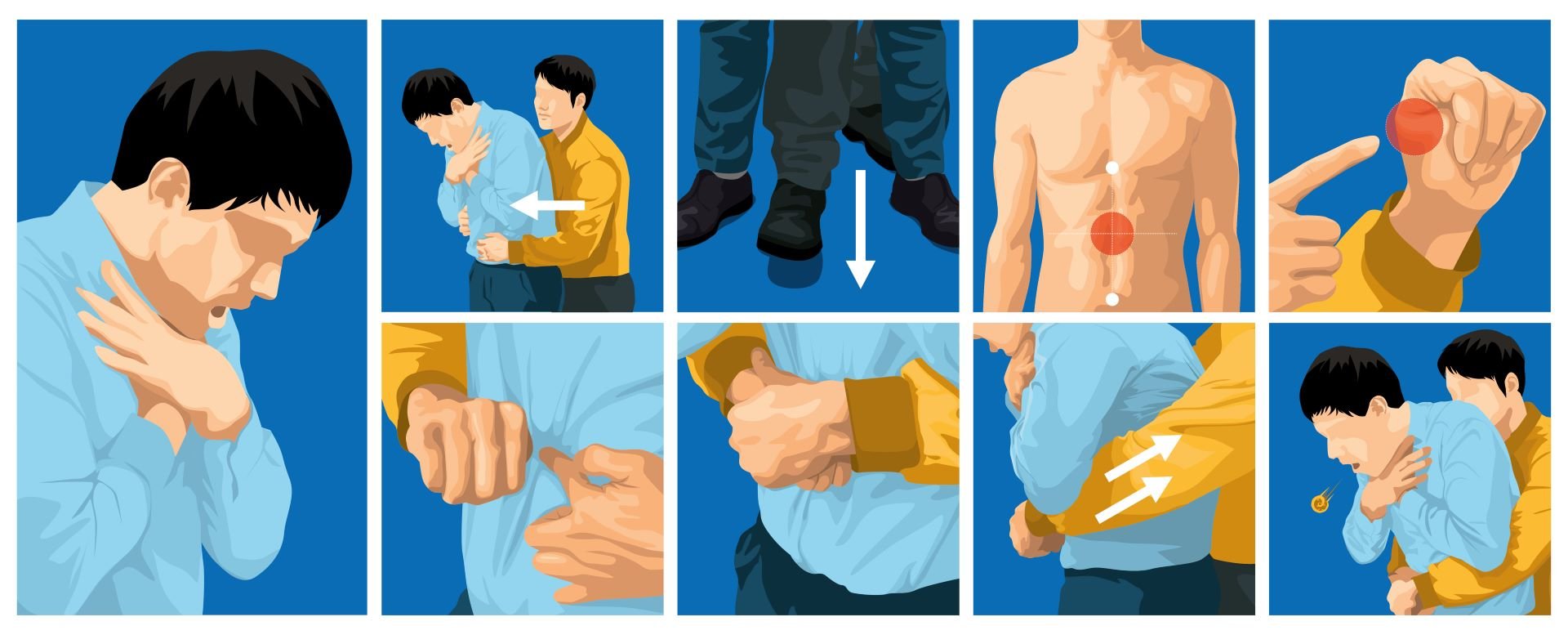
manage a casualty
make decisions under pressure
These are not skills you can properly learn from a screen.
Without hands-on practice, people often:
hesitate
lose confidence
struggle to apply what they’ve learned
What the law expects (UK)
For workplace first aid, employers must provide:
“adequate and appropriate equipment, facilities and personnel”
In most cases, that means:
👉 practical, face-to-face training
Online-only courses do not usually meet the requirements for:
Blended learning (where online does fit)
Online learning can form part of a blended approach.
This usually means:
theory completed online
practical skills completed face-to-face
This can work well because:
learners arrive prepared
more time is spent on practical skills
training is more efficient
Common misconception
A common mistake is assuming:
“If I’ve done an online course, I’m covered.”
In most workplace settings, that is not the case.
Without practical assessment, a business may not meet its first aid responsibilities.
What actually builds confidence
Confidence in first aid comes from:
practising skills
repeating them
applying them in realistic situations
This is why scenario-based, hands-on training is so important.
When online training might be enough
Online-only training may be suitable for:
general awareness
very low-risk environments
individuals who want basic knowledge
But even then, it has limitations.
If you’re training staff, what should you choose?
For most businesses:
👉 Practical training is the safest option
This ensures staff can:
act quickly
use equipment properly
respond under pressure
If you’re unsure which level you need:
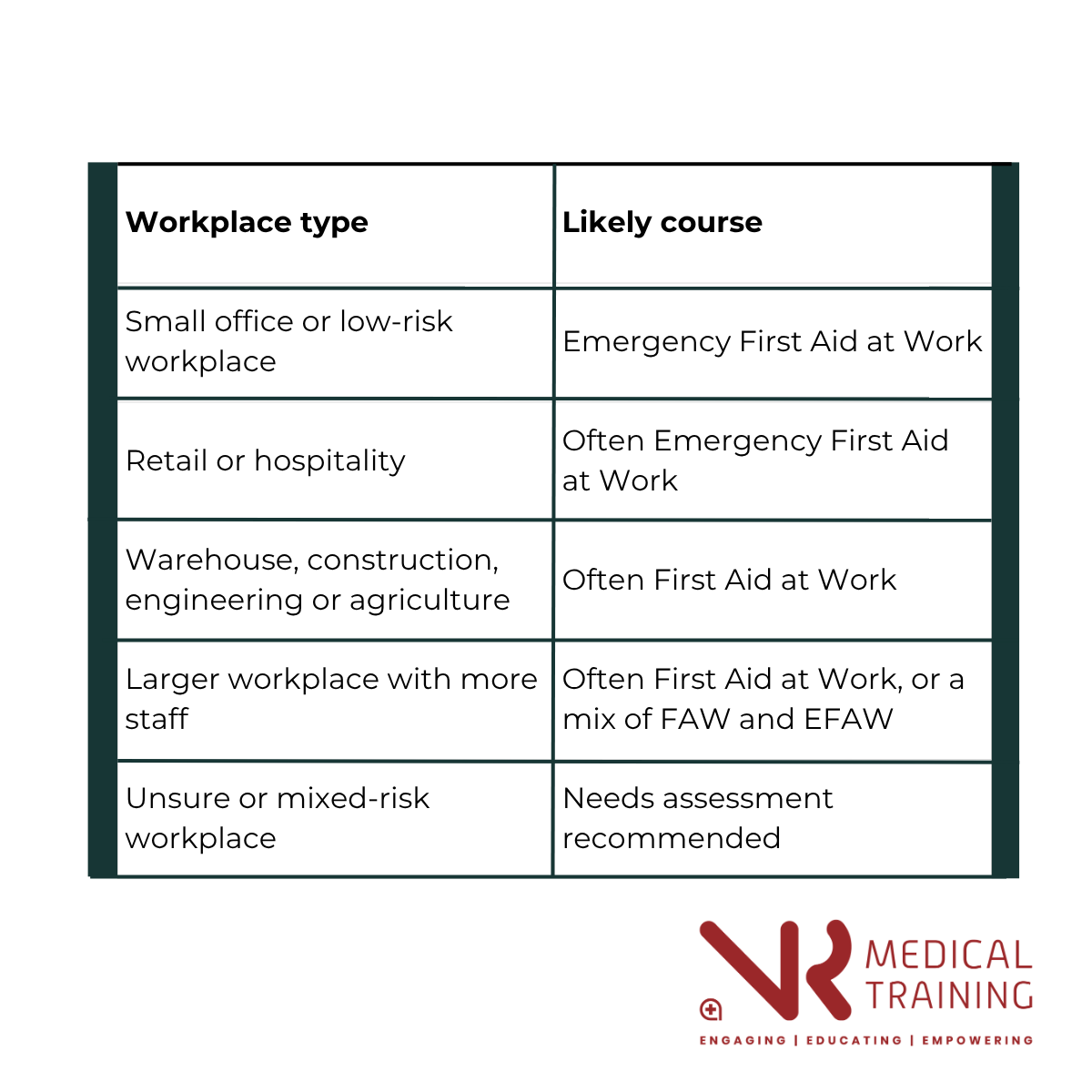
👉 Our First Aid at Work vs Emergency First Aid at Work guide breaks it down clearly
Where to go next
If you’re looking for workplace training:
Emergency First Aid at Work → for low-risk environments
First Aid at Work → for higher-risk environments
👉 Book an Emergency First Aid at Work course
👉Book a First Aid at Work course
Final thought
Online learning has its place.
But when it comes to first aid, knowing what to do is only part of it.
Being able to actually do it — under pressure — is what makes the difference.
Online First Aid Training – FAQs
-
Online training can be valid for awareness, but on its own it does not usually meet workplace first aid requirements.
-
For most regulated workplace courses, no. Practical assessment is required.
-
Yes. Blended learning combines online theory with face-to-face practical training and is widely accepted.
-
It depends on the context. For workplace compliance, employers usually require regulated, practical training.
-
Because first aid involves physical skills such as CPR, AED use and casualty management, which need to be practised to be effective.