Preparing for a FREC 3 RPL Course: What Level Is Expected?
If you have booked a FREC 3 RPL course or you are considering whether the Recognition of Prior Learning route is right for you, this guide explains the standard expected before you arrive.
The FREC 3 RPL route is intense. Very intense.
There is a lot to cover and assess in two days. The programme is compressed because it assumes you already operate at first responder level.
This is not a refresher.
It is an accelerated assessment route designed to recognise existing competence. If you arrive rusty, there is limited time to rebuild foundations.
This guide is designed to help you prepare properly.
Across two days you will cover and be assessed on:
Scene management
Structured patient assessment
Catastrophic bleeding
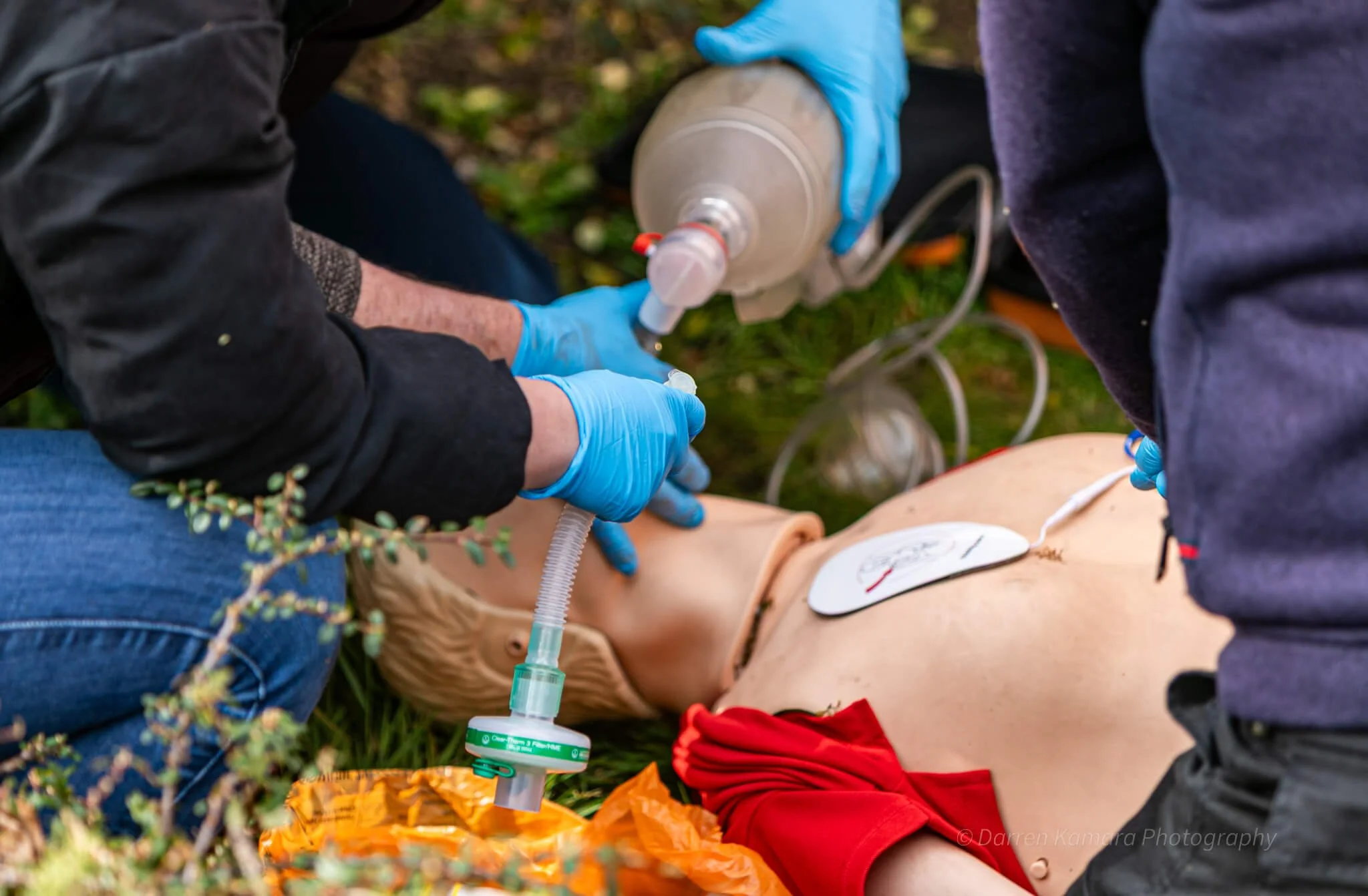
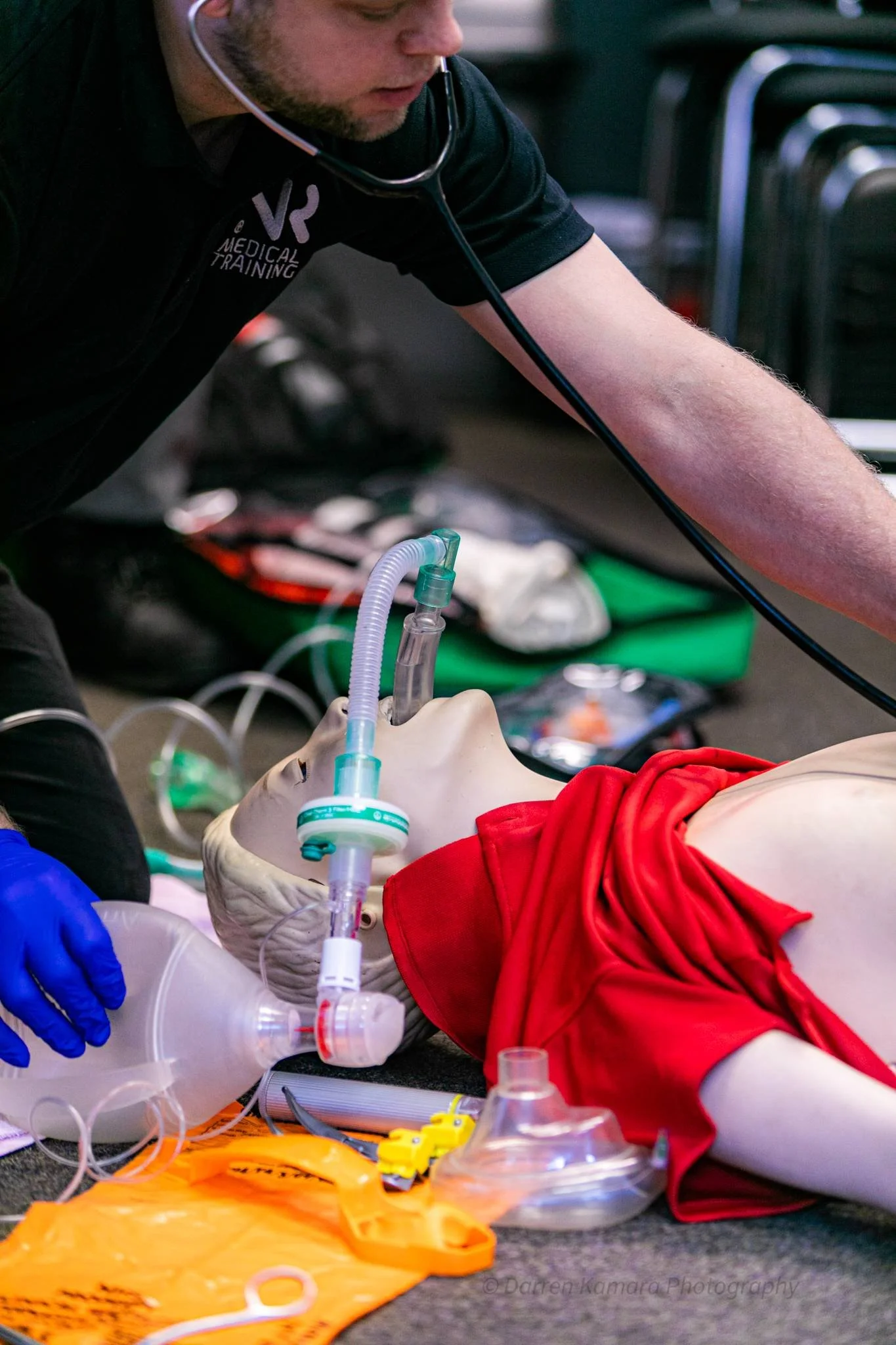
Airway management
Oxygen and ventilation
Adult, child and infant BLS
Medical emergencies
Trauma
Theory and anatomy and physiology
There is no gentle warm up.
From the start, you are expected to think and perform at FREC 3 level.
What Level Is Expected on a FREC 3 RPL Course?
At this level you should be able to:
Walk into a scenario and structure it immediately
Run DR<C>ABCDE without hesitation
Take and interpret observations confidently
Recognise red flags quickly
Assess mental capacity appropriately
Escalate without prompting
Deliver a structured handover
If someone says, “Primary survey go”, you should not need to remember the order.
Preparation should focus on fluency, not familiarity.
Observations You Should Know Before Attending
When preparing for FREC 3 RPL, you should revise normal observation ranges so that interpretation is immediate.
You should confidently know:
Respiratory rate adult: 12 to 20
Pulse rate adult: 60 to 100
SpO₂ normal adult: 94 to 98 percent
SpO₂ in known COPD: often 88 to 92 percent depending on baseline
You should understand:
What hypoxia means
What tachycardia suggests
What tachypnoea indicates
Why a respiratory rate of 28 is significant
Why an SpO₂ of 89 percent requires escalation
If you hesitate when interpreting observations, build that knowledge before attending.
Basic Medical Terminology at FREC 3 Level
At FREC 3 level, common clinical terminology should not slow you down.
You should understand terms such as:
Pulmonary
Cardiac
Cerebral
Hypo and hyper
Tachy and brady
Dyspnoea
Cyanosis
Hypovolaemia
Ischaemia
Perfusion
You do not need academic language.
You do need clarity.
If terminology feels uncomfortable, revise before your course date.
Capacity and Consent, Practical Application Matters
When preparing for FREC 3 RPL, make sure you can apply the Mental Capacity Act in realistic scenarios.
You should understand:
The presumption of capacity
The two stage test
Understanding
Retention
Weighing
Communication
You should be able to apply this to:
A head injury patient refusing hospital
A hypoglycaemic patient declining treatment
An intoxicated adult refusing assessment
You should be able to explain your reasoning clearly.
Capacity is not theoretical. It is often assessed through scenario based decision making.
Airway Management A Common Weak Area
Airway is frequently underestimated by RPL learners.
Before attending, revise:
Airway anatomy
OPA and NPA sizing and insertion
Contraindications
Suction use
Choking management for adults, children and infants
If you have access to practice equipment, use it.
If not, rehearse the sequence verbally until it is automatic.
Our Resources Portal contains revision material to support this preparation. This is available only to learners booked and confirmed onto a course.
For structured clinical revision, Ambulance Care Practice remains a useful reference at this level.
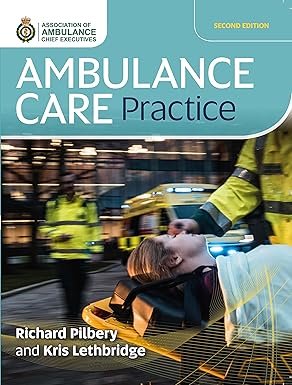
The book we recommend
If there is one resource that makes a real difference at FREC 3, it is:
Ambulance Care Practice
We recommend this as your main reference book. It explains patient assessment, medical emergencies and trauma care in a way that fits the level you are stepping into. It helps you understand how patients present and how to think through what you are seeing, rather than just memorising steps.
Catastrophic Bleeding, Confidence Under Pressure
Preparation should include revision of:
Recognition of catastrophic haemorrhage
Direct pressure
Wound packing
Tourniquet application
Pelvic binder indications
Practise until your sequence is clear and decisive.
Structured Assessment Under Pressure
A common issue during RPL is losing structure during scenarios.
Practise running your assessment out loud:
Safe approach
Catastrophic haemorrhage
Airway
Breathing including rate and SpO₂
Circulation
Disability
Exposure
Then practise:
PSAMPLER history (You may be familiar with SAMPLE. We add the “P” as Presenting Complaint and the “R” as Reproductive and Recent Travel. We feel this helps to make history taking more fluid.
Capacity assessment
ATMIST at handover
Structure is often what separates pass from refer.
How You Will Be Assessed
The RPL route includes:
Theory assessments
Anatomy and physiology assessment
Structured practical assessments
Ongoing observation of clinical reasoning
All assessments are conducted under awarding body conditions.
The purpose of the RPL route is to confirm that you already meet the FREC 3 standard. It is not designed to build that standard from scratch.
Unsure If RPL Is Right for You?
Before booking, use our online eligibility checker to confirm that your existing qualification meets the criteria.
If you decide that you would benefit from more structured teaching time, the full 5 day FREC 3 course may be more suitable.
There is no disadvantage in choosing the full route.
Final Preparation Advice
Arrive prepared.
Revise your observations.
Be clear on capacity assessment.
Practise your primary survey out loud.
Use the Resources Portal.
Use Ambulance Care Practice if you need structured revision.
The FREC 3 RPL route is achievable.
But it is intense and it assumes you already operate at FREC 3 level.