
FREC 4 CPD Requirements: What You Actually Need to Stay Competent
LISTEN HERE
If you’ve completed FREC 4, the qualification itself is only part of the picture.
What really matters is what happens after.
Unlike some regulated roles, there isn’t a fixed number of CPD hours you must complete each year. But that doesn’t mean CPD is optional. In reality, your ability to justify your decisions, stay within your scope, and remain safe in practice depends on it.
This is where a lot of people get it wrong.
If you’re still working towards FREC 4, it’s worth understanding the full pathway first. Our guide to FREC 4 entry requirements explains what you need before you start.
If you’re newer to CPD or want a clearer overview, you can also read What is CPD? Why it matters for FREC 3 and FREC 4, which breaks down how ongoing learning fits into your role.
Is There a Set CPD Requirement for FREC 4?
Short answer: no fixed number.
FREC 4 sits within the pre-hospital care space, not a statutory register like paramedics. That means there’s no universal CPD hour requirement set in law.
But that doesn’t mean you can do nothing.
You are still expected to:
Maintain competence
Stay up to date with current guidance
Work within a clear governance framework
If something goes wrong, “I did the course two years ago” won’t stand up to scrutiny.
What Does “Staying Competent” Actually Mean?
Competence isn’t about ticking hours.
It’s about whether you can safely assess, decide, and act in a real situation.
For FREC 4, that typically includes:
Structured patient assessment
Clinical decision-making
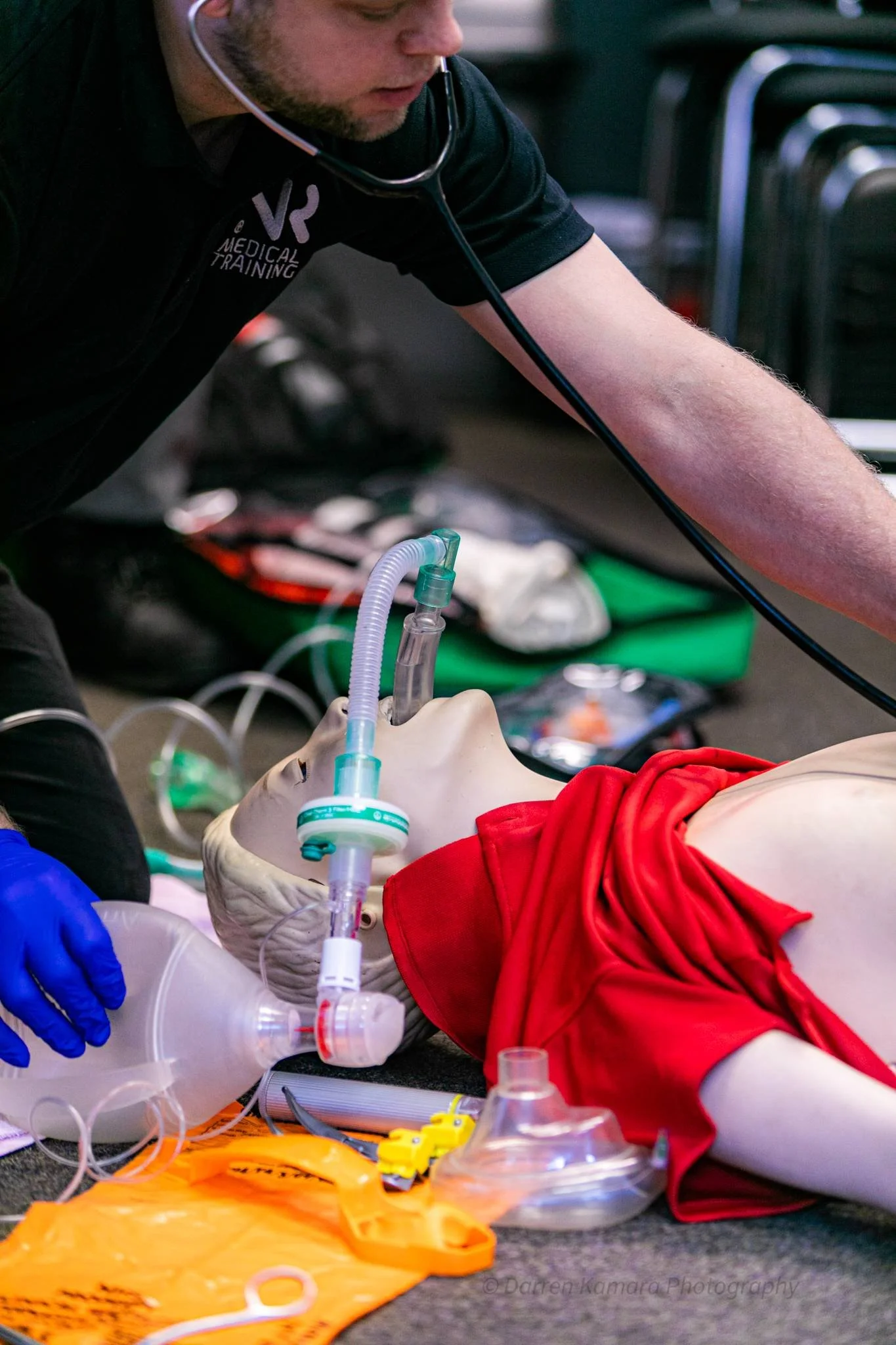
Airway management
Oxygen therapy
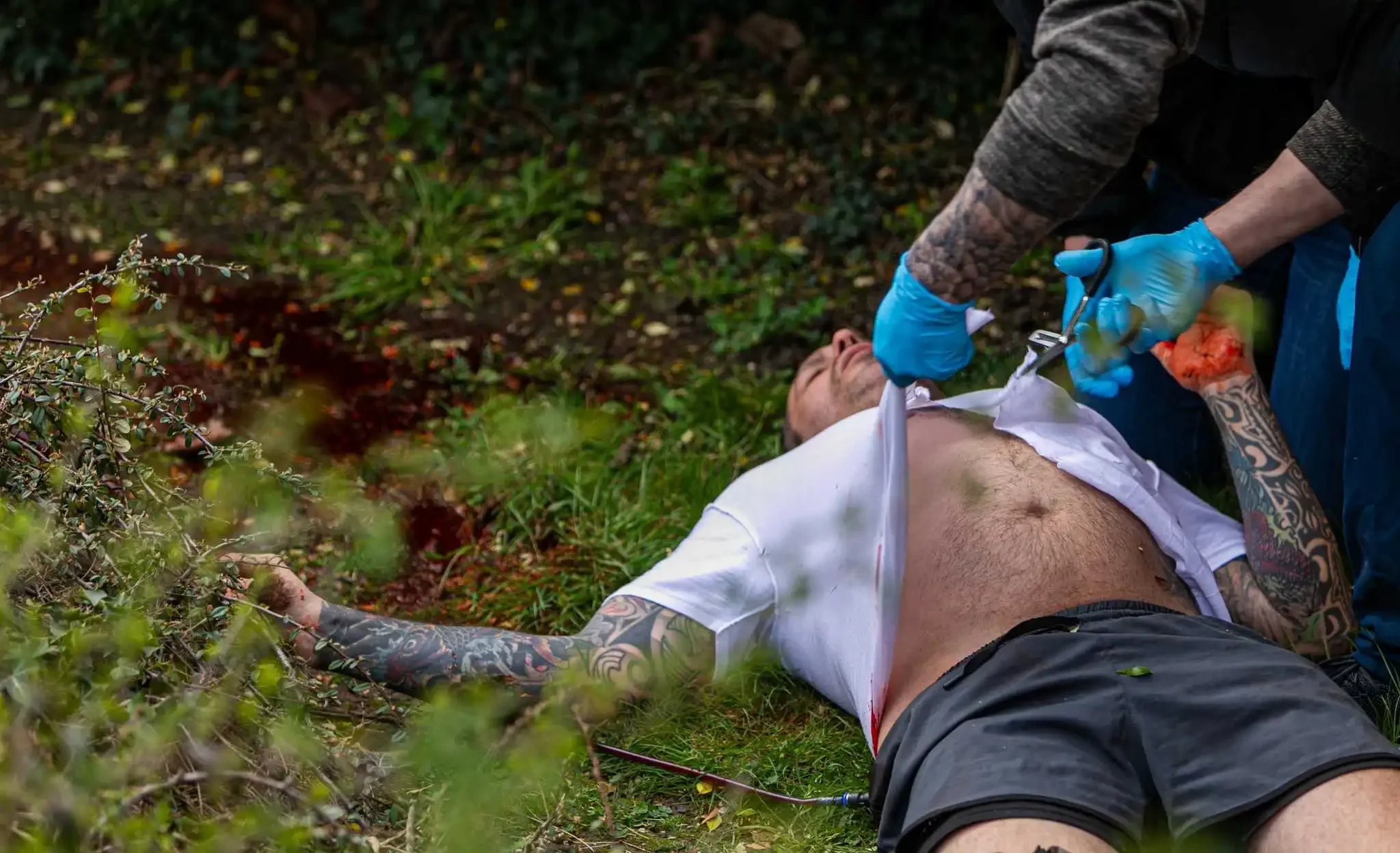
Trauma care
Communication and handover
If you’re not using these regularly, skills degrade quickly. That’s just reality.
What CPD Should You Be Doing?
Think of CPD in three simple areas:
1. Practical Skills
Hands-on training is the priority.
Airway management
BVM ventilation
Trauma scenarios
ILS refresher
For most FREC 4 practitioners, this should include regular Immediate Life Support (ILS) training. In practice, this is typically refreshed every 12 months as a minimum, to ensure core resuscitation and airway skills remain current and usable under pressure.
2. Clinical Knowledge
This is where you stay current.
Guideline updates (RCUK, JRCALC where relevant)
Recognition of deterioration
Sepsis awareness
Medical emergencies
This can be online, but it needs to be relevant.
3. Reflection
This is the bit most people skip.
After training or real incidents, ask:
What went well?
What would I do differently?
What do I need to practise again?
This is where real development happens.
How Often Should You Do CPD?
There’s no official number, but here’s a realistic approach:
Something small every month (reading, short learning)
Practical refresh every 3–6 months
Formal update or course annually
As a baseline, most practitioners should be refreshing core resuscitation skills at least every 12 months, commonly through an Immediate Life Support (ILS) course.
If you leave it a year and try to “catch up”, it doesn’t work.
Do You Need to Record Your CPD?
Yes. Always.
If you can’t evidence it, it effectively didn’t happen.
A simple CPD log is enough:
Date
What you did
What you learned
What you’ll do differently
If you want to keep it organised digitally, tools like CPDme make this straightforward. You can log activity, upload evidence, and generate a report if you ever need to share your CPD.
What Happens If You Don’t Maintain CPD?
This is where it becomes important.
Without CPD:
Skills fade
Confidence drops
Decision-making slows
Risk increases
From a governance point of view, it also becomes very difficult to justify your practice.
That matters.
The Bottom Line
FREC 4 doesn’t come with a strict CPD number.
But the expectation is clear.
You need to stay competent, current, and able to justify what you do.
The people who treat CPD as ongoing, practical, and reflective tend to be the ones who perform well when it actually matters.
FAQs
-
There is no fixed number. You are expected to maintain competence through regular, relevant learning and practice.
-
There is no legal requirement, but in practice it is essential for safe working and governance.
-
Practical training, scenario work, online learning, reading clinical updates, and reflection all count.
-
Yes. You should always be able to evidence your learning and development.
