Can You Fail a First Aid Course?
It’s a question people often think, but don’t always ask:
“Can I fail a first aid course?”
The honest answer is:
Yes, you can fail a first aid course.
But that does not mean the course is designed to catch people out.
A good first aid course should support you, build your confidence, and give you every reasonable opportunity to meet the required standard.
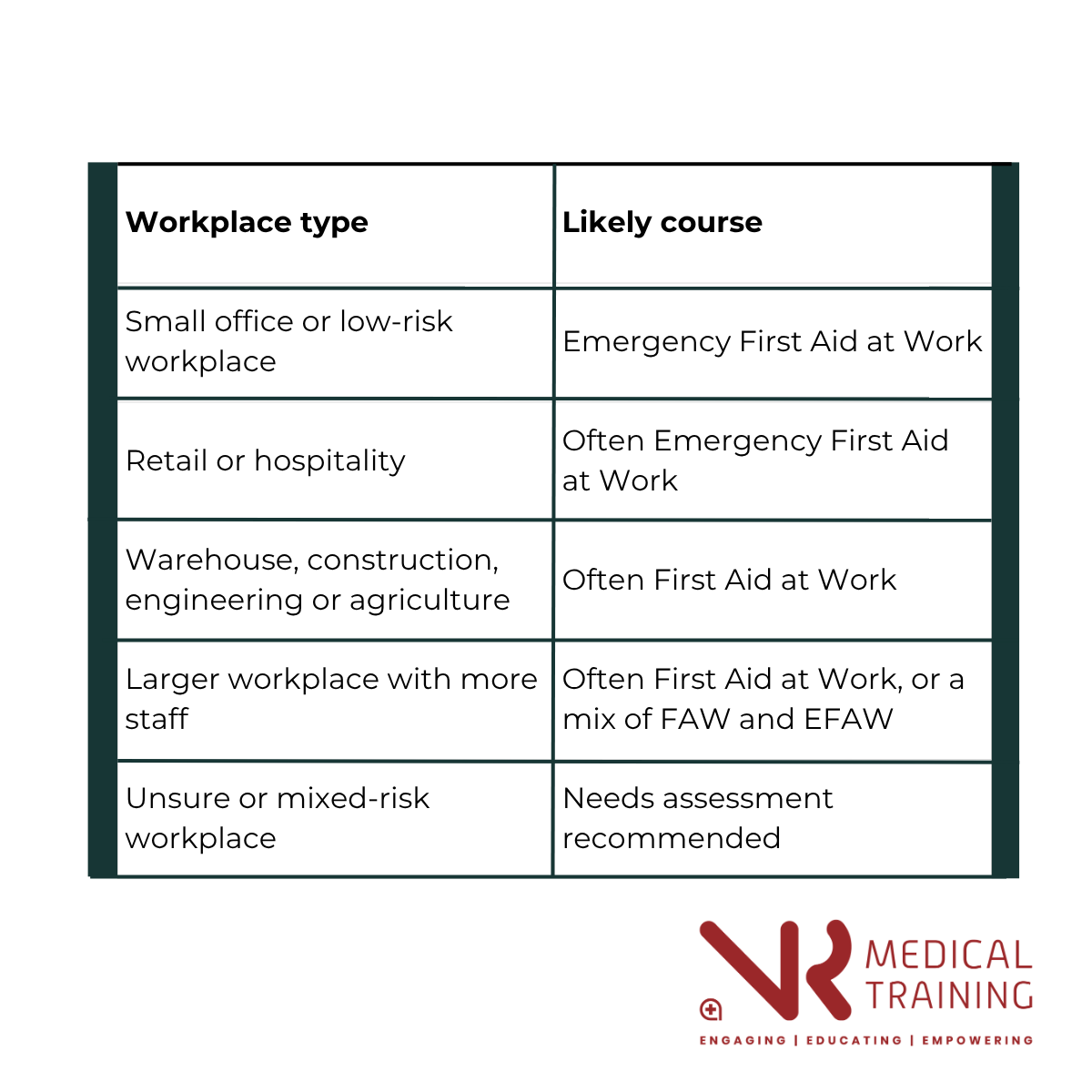
If you’re still deciding which course to take, our First Aid at Work vs Emergency First Aid at Work guide explains the differences clearly.
Why first aid courses have assessments
First aid is practical.
If someone becomes unwell or injured at work, a first aider needs to be able to act safely and effectively.
That’s why regulated workplace first aid courses include assessment.
It’s not just about remembering information.
It’s about showing that you can apply it.
The HSE states that workplace first aiders must hold a valid certificate of competence in appropriate training, such as Emergency First Aid at Work or First Aid at Work.
What are you assessed on?
This depends on the course, but most workplace first aid courses include:
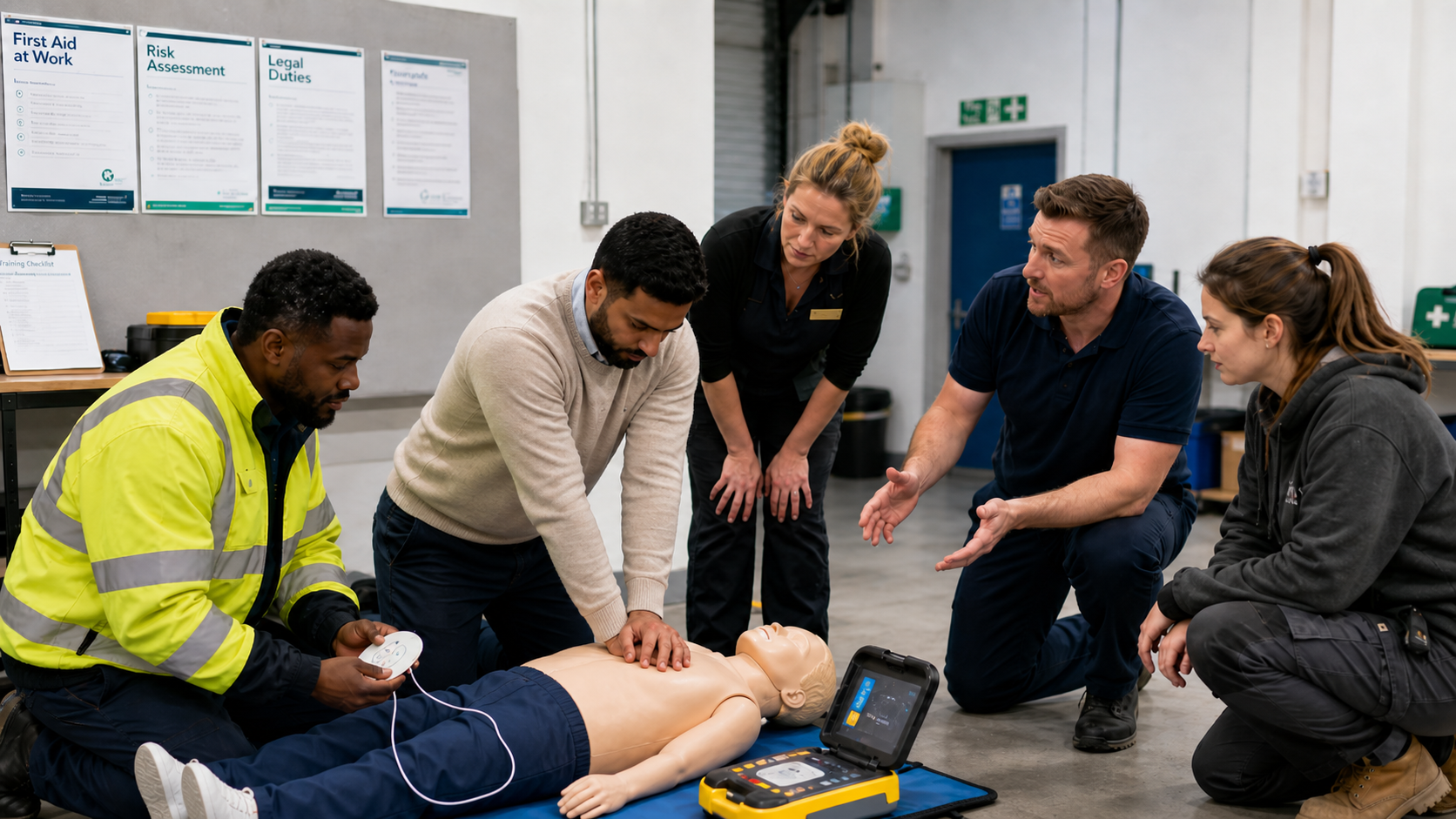
practical skills
scenario-based performance
a multiple choice assessment
For example, on Emergency First Aid at Work and First Aid at Work, learners are usually assessed on key skills such as:
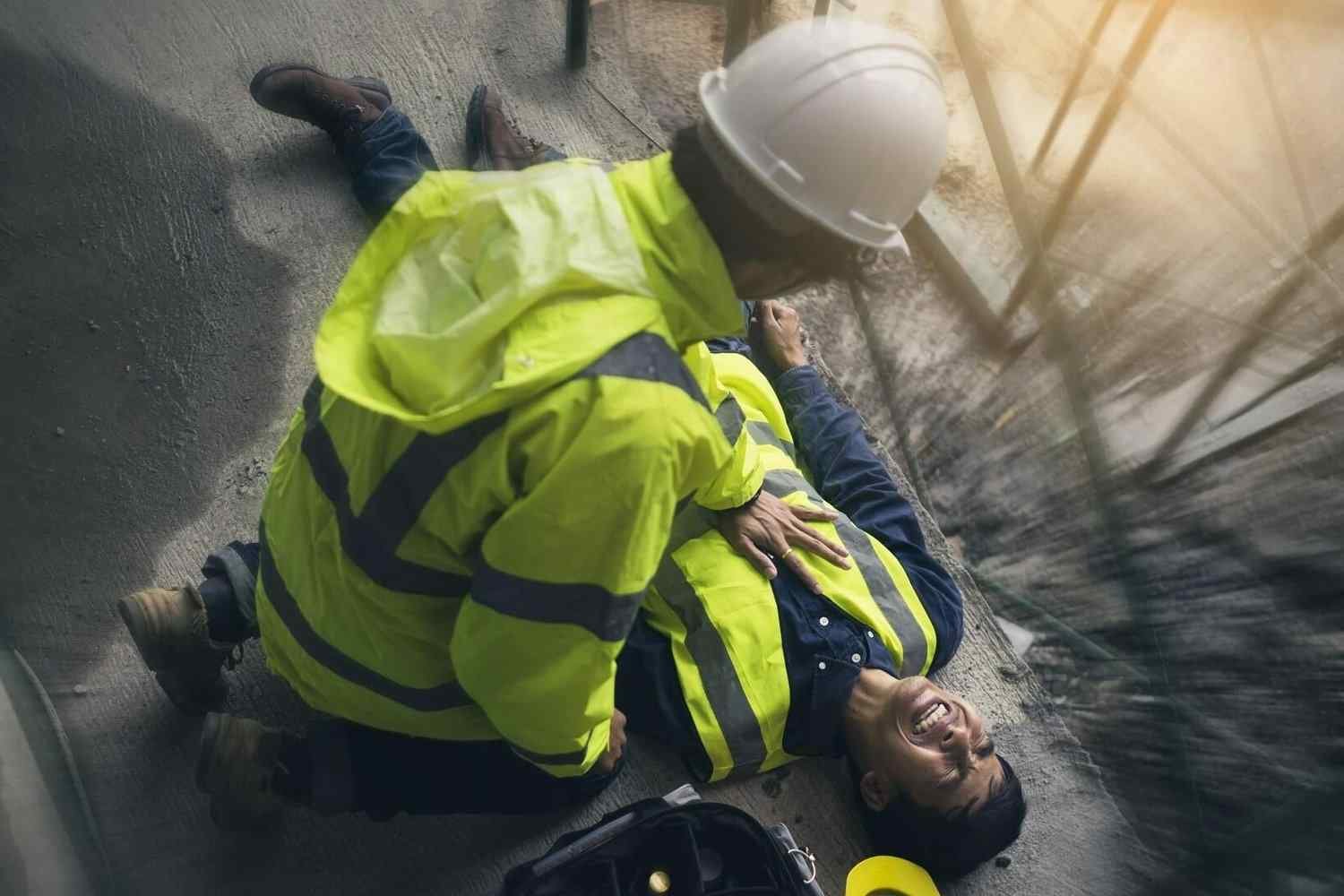
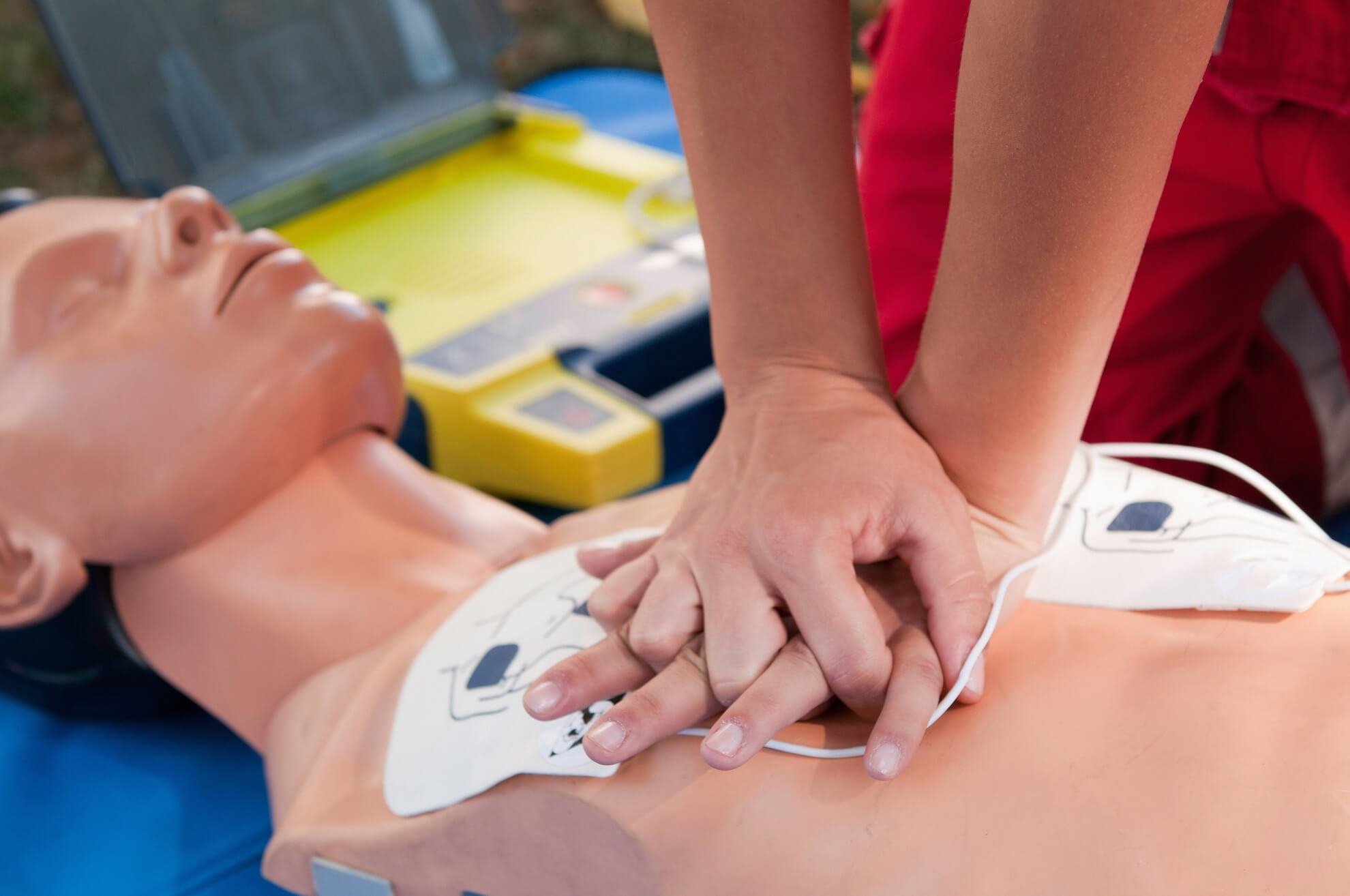
CPR and AED use
recovery position
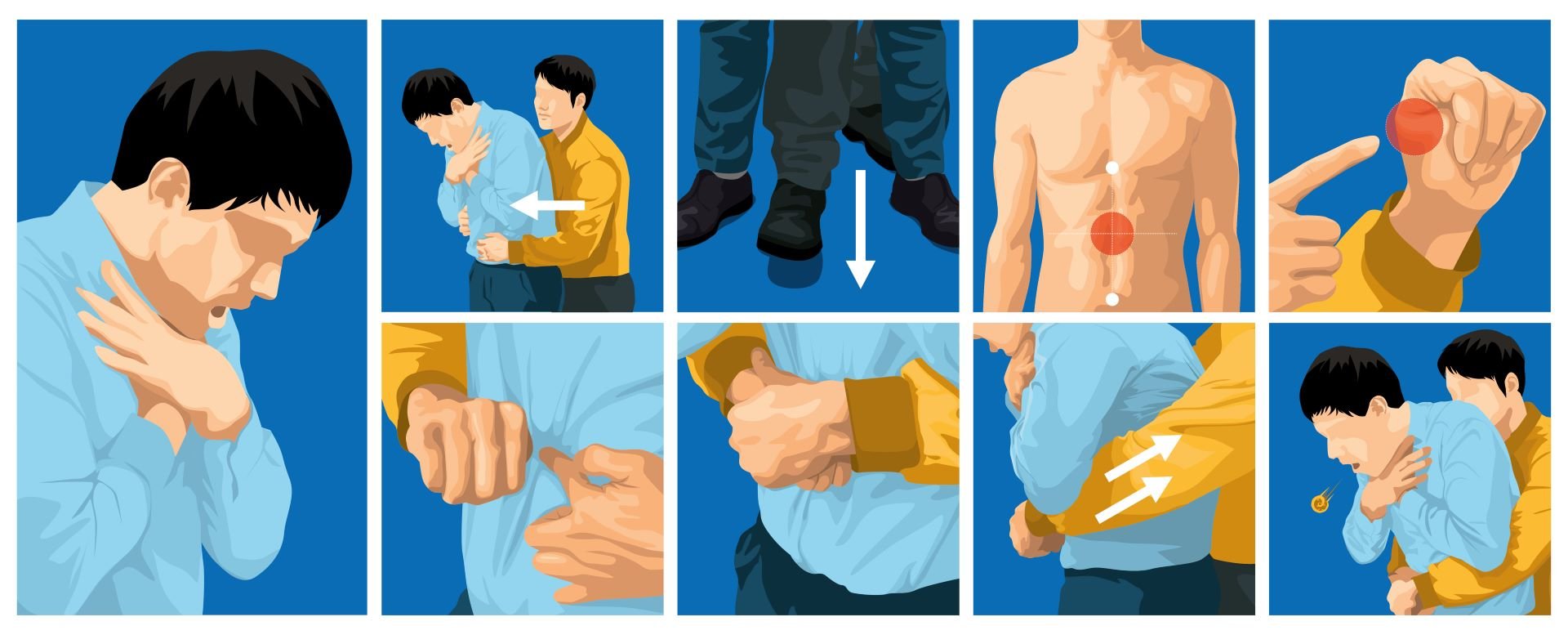
choking
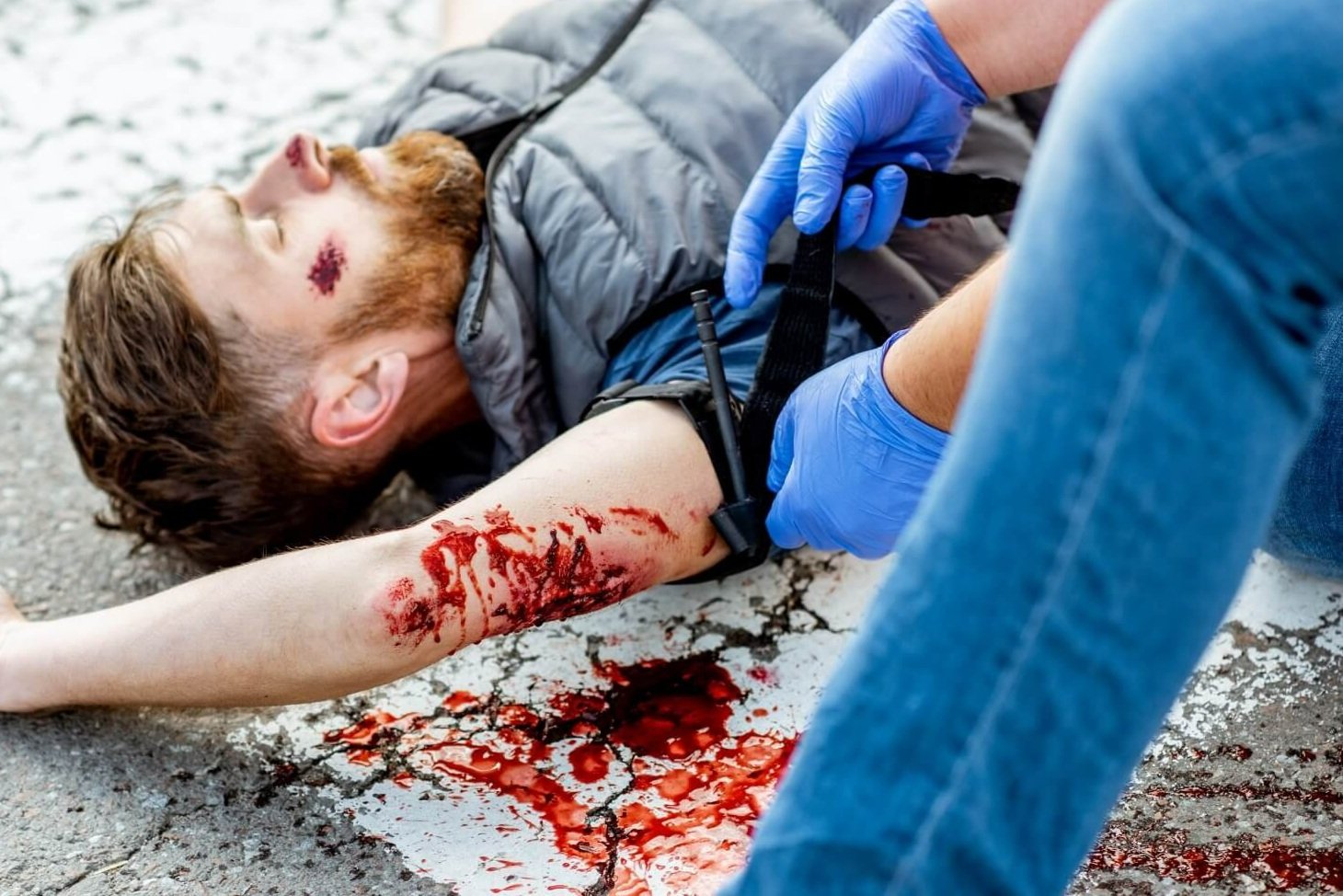
bleeding and shock
casualty assessment
The aim is to check that you can provide first aid in a way that is safe, prompt and effective.
The exact structure depends on whether you’re doing Emergency First Aid at Work or the more in-depth First Aid at Work course.
Is the assessment difficult?
For most people, no.
But it can feel nerve-wracking, especially if:
you have not done training for a long time
you dislike being watched
you worry about written tests
you are not confident with practical skills
That’s completely normal.
Most learners improve a lot during the course because they get time to practise before being assessed.
What happens if you make a mistake?
Making a mistake during training does not automatically mean you fail.
Training is where mistakes should happen.
A good trainer will correct you, explain what needs to change, and give you time to practise again.
The important thing is whether you can reach the required standard by the time you are assessed.
Can you fail the practical assessment?
Yes, if you cannot demonstrate the required skill safely.
For example, if someone cannot perform CPR safely or cannot manage a casualty in line with the taught process, they may not pass that element.
But learners are usually supported throughout the day.
The goal is not to make people feel exposed.
The goal is to help them become safe and confident.
Can you fail the multiple choice test?
Yes.
Most regulated first aid courses include a theory assessment.
This is usually a short multiple choice paper rather than a long written exam.
If someone has reading or writing difficulties, reasonable adjustments may be available depending on the course and awarding organisation requirements.
What happens if you do fail?
If you are referred on part of the assessment, your trainer will explain what happens next.
This may involve:
reassessment
further practice
repeating part of the course
completing the full course again if needed
It depends on the course, the assessment and the awarding organisation rules.
Do people often fail first aid courses?
Most people pass.
That’s because first aid courses are designed to teach, practise and assess.
If you take part, listen, practise properly and ask for help when needed, you give yourself a very good chance of passing.
If you’re unsure which course is right for your team, it’s worth starting with our First Aid at Work vs Emergency First Aid at Work guide.
What can make someone struggle?
Common reasons include:
not engaging during practical sessions
refusing to take part
unsafe technique
difficulty following the assessment process
nerves during practical skills
Nerves are common. Refusing to practise is a bigger problem.
How to give yourself the best chance of passing
The best advice is simple:
get involved
ask questions
practise the skills properly
tell the trainer if you are worried
don’t wait until the assessment to ask for help
First aid is not about being perfect.
It’s about being safe, structured and willing to act.
What if I’m nervous before the course?
That’s completely normal.
A lot of learners arrive feeling unsure, especially if they have never done first aid before.
By the end of the course, most people feel far more confident because they have had time to practise the skills in a supportive environment.
Does passing mean I’ll remember everything forever?
No.
First aid skills fade if they are not practised.
That’s why the HSE strongly recommends annual refresher training for workplace first aiders, even though FAW and EFAW certificates are valid for 3 years.
Final thought
Yes, you can fail a first aid course.
But that should not put you off.
If the course is delivered properly, you should be supported throughout, given time to practise, and helped to build the confidence needed to respond in a real emergency.
The aim is not just to pass.
The aim is to leave safer, calmer and more capable than when you arrived.
First Aid Course Assessment – FAQs
-
Yes. If you cannot meet the required practical or theory standard, you may not pass.
-
Most learners do not find it difficult if they take part, practise and listen during the course.
-
Your trainer will explain the next steps. This may involve reassessment, extra practice or repeating part of the course.
-
No. Confidence usually builds during the course through practice and support.
-
Reasonable adjustments may be available depending on the course and awarding organisation requirements. Tell the trainer as early as possible.