

FREC 3 Course
First Response Emergency Care Level 3 (UK)
Clinician-led, hands-on training focused on real-world pre-hospital care.
5 Days
Explore This Course.
Pre Hospital Training > FREC 3 Course
First Response Emergency Care (FREC 3)
What the FREC 3 qualification covers.
The First Response Emergency Care (FREC 3) course is a nationally recognised Level 3 qualification designed for people who may be required to assess and manage casualties in the first minutes of a medical or traumatic emergency. It provides the practical skills and clinical decision-making needed to deliver effective pre-hospital care before the arrival of ambulance services.
Who the FREC 3 course is designed for.
This FREC 3 course is widely used by security and Close Protection operatives, Community First Responders, firefighters, ambulance and patient transport staff, and those working in high-risk or remote environments where immediate clinical decision-making may be required. It is also suitable for roles such as event medics and confined space rescue teams, and for those beginning a structured pre-hospital care pathway, providing a solid foundation before progressing to more advanced training such as FREC 4.
How our FREC 3 training is delivered.
Our FREC 3 training is delivered by experienced clinical educators, specifically registered Paramedics and EMTs, with two clinicians present throughout delivery. This approach allows learners to work with real patients where appropriate, rather than relying solely on manikins, and places strong emphasis on hands-on practice, realistic scenarios, and clinical decision-making under pressure. Optional clinical skills are only included where there is a clear operational need and an appropriate clinical governance framework in place.
Duration
5 Days
Location
Open Courses - Suffolk/London
Closed Courses - UK-wide & Abroad
Entry Requirements
Over 17
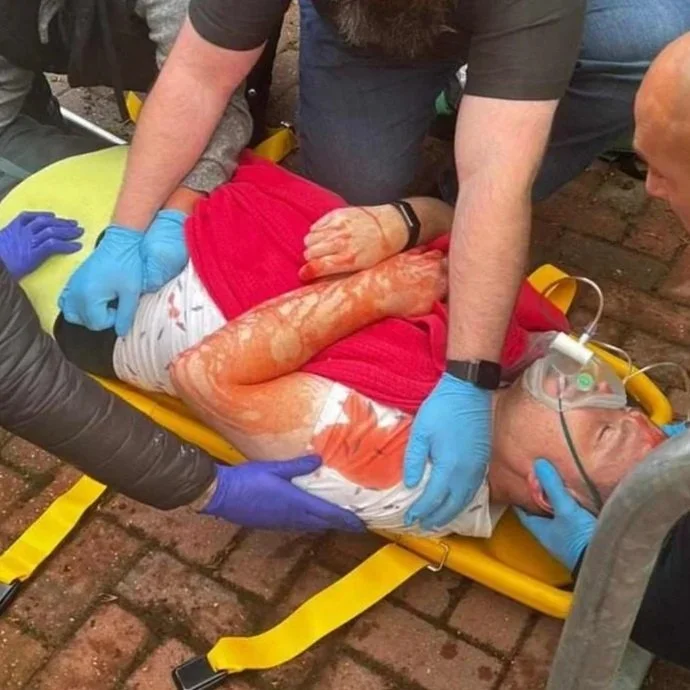
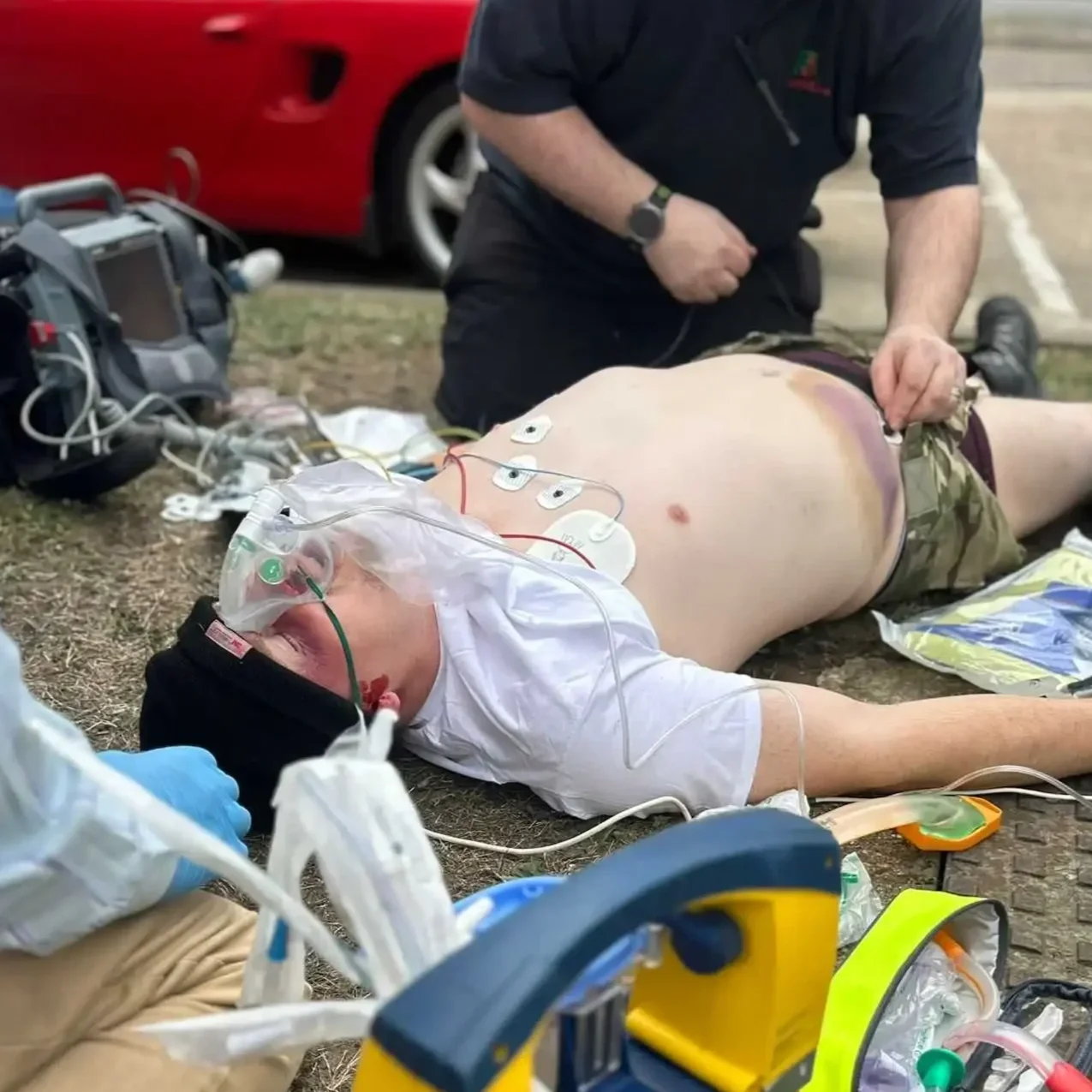
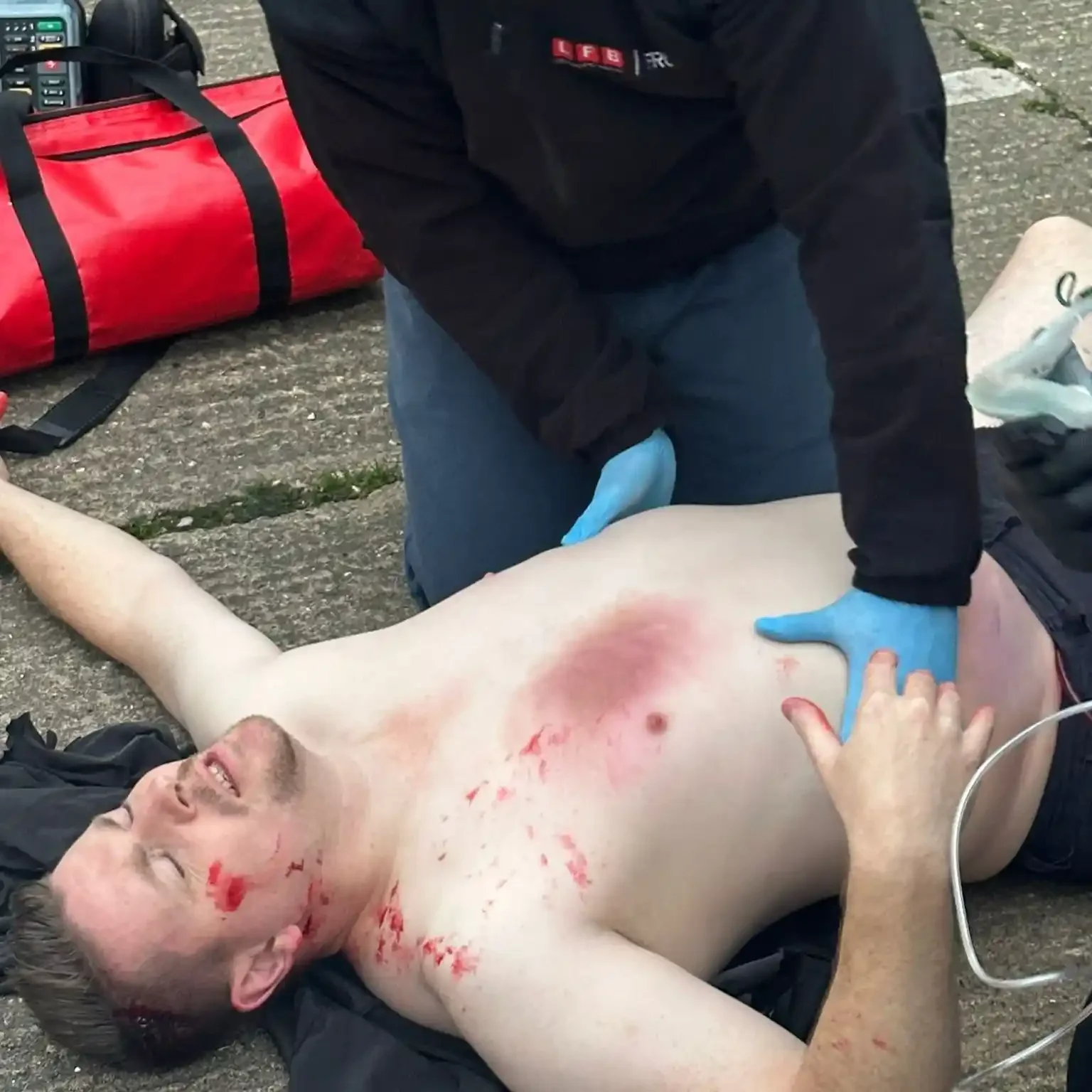
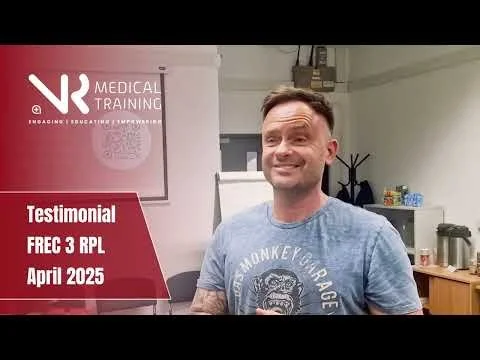
FREC 3 training in practice.
All images and videos shown are taken from real FREC 3 courses delivered by our clinical educators.
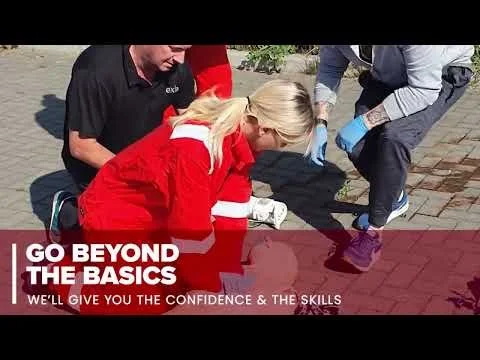
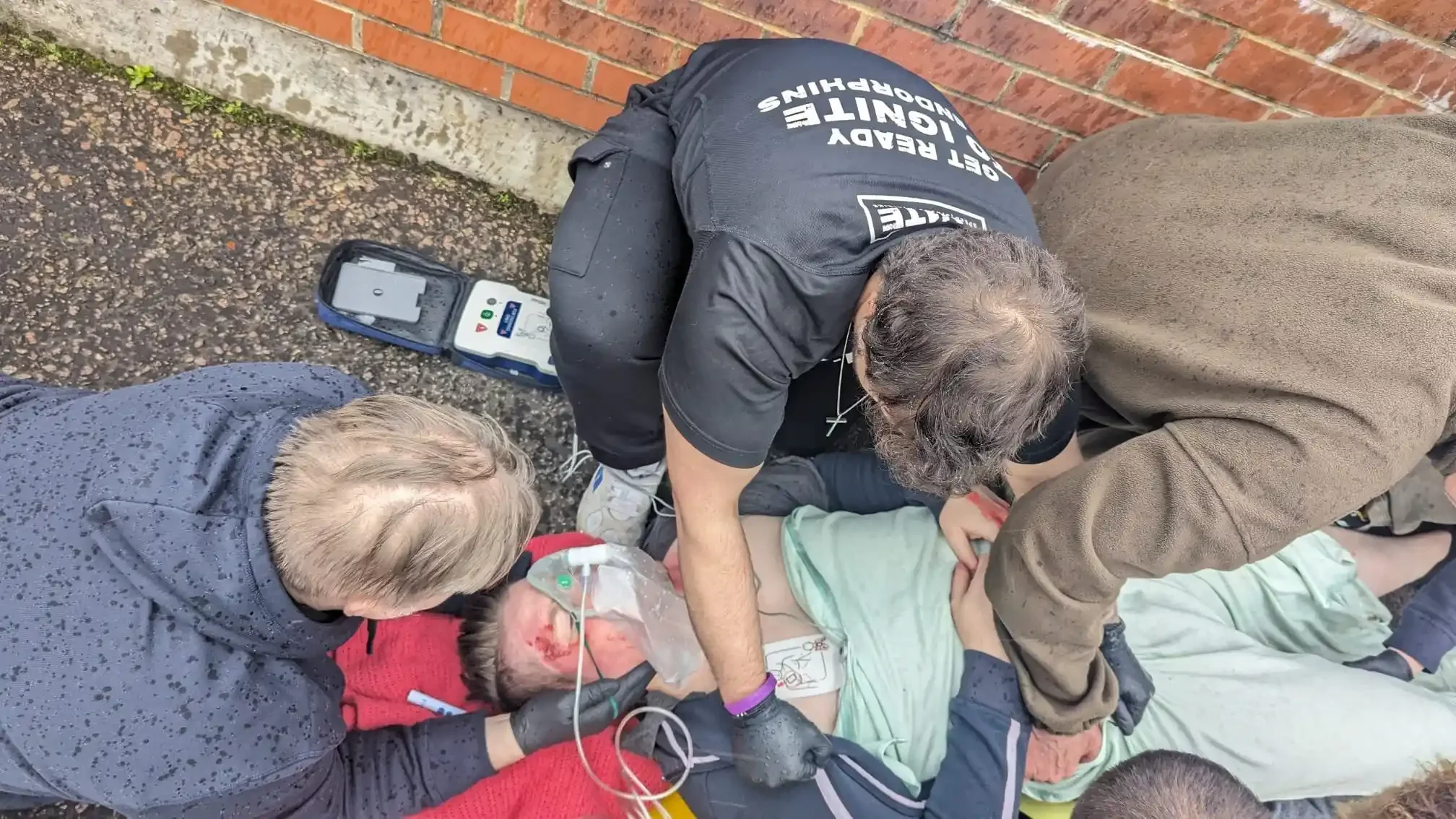
Who the FREC 3 course is suitable for.
The FREC 3 course is suitable for a wide range of operational and responder roles, including:
Ambulance and patient transport staff
Event medics
The course is also suitable for those beginning a structured pre-hospital care pathway.
It is not intended for members of the public seeking basic first aid training or for those looking for a qualification that leads directly to professional healthcare registration.
How we teach the FREC 3 course.
We teach FREC 3 in a way that reflects real-world pre-hospital care, focusing on hands-on practice, clinical reasoning, and decision-making under pressure rather than classroom theory alone.
Delivered by registered Paramedics and EMTs
Two clinical educators present throughout delivery
Realistic scenarios, including real patients where appropriate
Clear clinical governance around optional skills
Emphasis on safe scope of practice and decision-making
FREC 3 course content.
-
Foundations of Prehospital Emergency Care
This component provides the core framework for effective first response. Learners develop structured patient assessment skills, understand the responsibilities and limits of the first responder role, and learn how to work safely, lawfully, and professionally in pre-hospital environments.
-
Foundations of Prehospital Trauma Care
This section focuses on the assessment and management of traumatic injury. Learners are taught a systematic approach to trauma, including catastrophic bleeding, injury patterns, and prioritisation, with an emphasis on practical skills and decision-making in high-pressure situations.
-
Foundations of Prehospital Emergency Medical Care
This component covers the recognition and management of common medical emergencies encountered in pre-hospital care. Learners develop the skills to assess, support, and hand over patients with medical conditions while working within an appropriate scope of practice.
What’s covered on the course?
The FREC 3 course is structured around three core component areas: pre-hospital emergency care, trauma care, and emergency medical care. Content is aligned to the PHEM skills framework at Descriptor Level D and focuses on practical patient assessment, trauma management, and the recognition and initial management of medical emergencies in a pre-hospital setting.
The course covers patient assessment, airway and breathing management, catastrophic bleeding control, trauma assessment, and the recognition and initial management of medical emergencies.
This FREC 3 course provides structured, clinician-led training for those working in pre-hospital and operational response roles across the UK, with a strong emphasis on practical decision-making and safe patient care.
What qualification do I get?
On successful completion of the course, learners are awarded the Qualsafe Level 3 Award in First Response Emergency Care (RQF).
Endorsed by the Faculty of Pre-Hospital Care
Accepted by the SIA for Close Protection licensing
Forms a recognised route into FREC 4 and other clinical qualifications
Valid for three years
Progression beyond FREC 3 should always be aligned to the learner’s role, experience, and organisational clinical governance.
FREC 3 FAQs
-
FREC 3 stands for First Response Emergency Care Level 3. It is a nationally recognised qualification designed for people who may be required to assess and manage casualties in pre-hospital settings. It is commonly completed by those working in security and Close Protection, emergency services, event medical roles, and other high-risk or responder environments.
-
No prior medical experience is required. Previous first aid training such as Emergency First Aid at Work or First Aid at Work can be helpful, but it is not essential. The course is designed to support learners who are new to pre-hospital care as well as those with existing operational experience.
-
On successful completion of the course, learners are awarded the Qualsafe Level 3 Award in First Response Emergency Care (RQF). This qualification is endorsed by the Faculty of Pre-Hospital Care and is accepted by the SIA for Close Protection licensing.
-
Yes. FREC 3 is one of the medical qualifications recognised by the SIA for Close Protection Officers and is widely used within the security and maritime sectors.
-
The FREC 3 qualification is valid for three years. Learners must complete appropriate requalification training before the expiry date to remain in date and compliant.
-
If your FREC 3 certificate is still in date, you can complete a three-day requalification course. If the qualification has expired, you will need to attend the full five-day course again. A copy of your current certificate is required so eligibility can be confirmed with the awarding body.
-
Yes. We deliver on-site FREC 3 training for organisations such as fire services, police units, security teams, and similar groups. On-site delivery is available for full group bookings, and training locations must be suitable for practical scenarios. We are happy to advise on suitability in advance.
-
Our FREC 3 courses are delivered by two clinical educators throughout, typically Paramedics and EMTs. Training is highly practical and scenario-led, with a strong focus on real-world pre-hospital decision-making rather than classroom-based theory alone.
-
FREC 3 forms part of a recognised pre-hospital care pathway. Many learners use the qualification for operational roles in security, event medical cover, or first response. Depending on experience, role, and organisational governance, progression to FREC 4 may be appropriate.
-
FREC 3 (First Response Emergency Care Level 3) is a regulated, nationally recognised qualification aligned to the PHEM skills framework at Descriptor Level D and endorsed by the Faculty of Pre-Hospital Care. It is the current benchmark for those working in pre-hospital care, event medical teams, and the security sector, and forms part of a structured progression route into FREC 4.
FPOS (First Person on Scene Intermediate) remains valid and is still accepted by many employers, particularly within the security and events sectors. However, it does not sit within a regulated progression pathway, meaning learners cannot progress directly from FPOS to FREC 4 without first completing FREC 3. For those holding a valid FPOS certificate, a Recognition of Prior Learning (RPL) route may be available to transition to FREC 3.
RTACC (Rescue Trauma and Casualty Care) is an accredited, trauma-focused course commonly used in tactical, military, and high-threat environments. While well regarded, it is typically delivered over a shorter duration and does not formally lead into the FREC qualification pathway. A Recognition of Prior Learning (RPL) route may be available for RTACC holders who wish to move onto FREC 4 or gain a regulated qualification.
Open Courses.
If our next open course doesn’t work for you, you can check out our full course calendar or get in touch to discuss other options.